


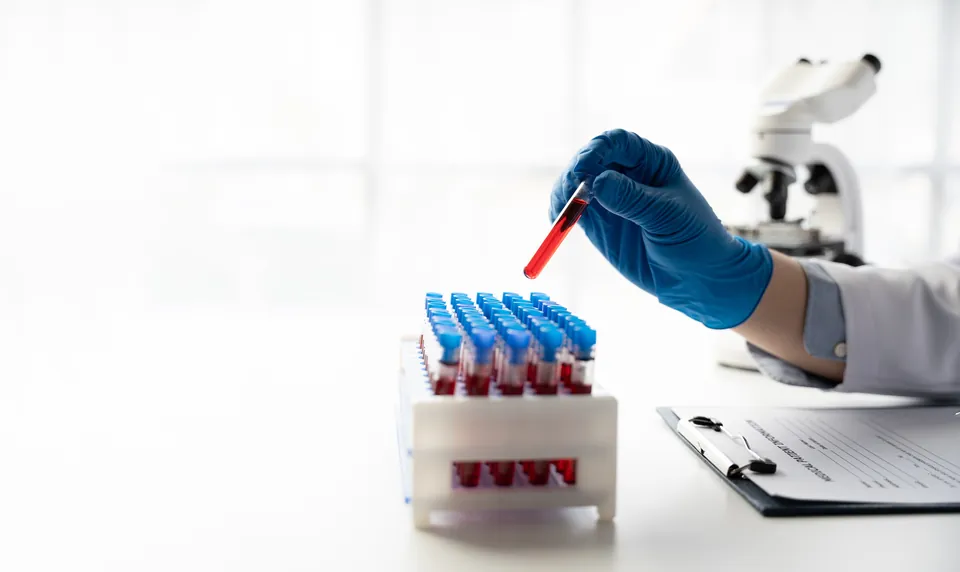
What is a thin endometrium, why does it occur, and how does it affect IVF and embryo transfer? Approaches and the evidence for add-ons like PRP and G-CSF.
A thin endometrium means that the lining of the uterus looks thinner than expected on ultrasound. It does not on its own determine a definite outcome, and there is no single method that has been proven to thicken this layer; the cause is investigated, and your doctor determines the approach according to you. The information below offers a general framework and does not replace a diagnosis or treatment recommendation specific to you.
What is a thin endometrium, and how is it measured?
The endometrium is the layer that covers the inner surface of the uterus and changes throughout the menstrual cycle. After the embryo is placed in the uterine cavity, it tries to attach to this layer. Thickness is measured with transvaginal ultrasound, and the value of the measurement is interpreted differently according to which phase of the cycle it is made in.
There is no single common agreement on what thickness is to be counted as "thin". The criteria used differ between studies; for this reason, whether a value is thin is assessed by your doctor, who knows the context of your cycle.
Why can it stay thin?
A thin endometrium does not have a single cause. The main possibilities are as follows:
- Intrauterine adhesions: Sticking together of the inner surface after an earlier procedure on the uterus can limit the development of the layer.
- Previous infection or inflammation: An infection the lining of the uterus has had can leave damage in the layer.
- Hormonal response: The lining of the uterus may not respond to the hormones in the cycle at the expected level.
- Reduced blood flow to the uterus: The nourishment of the lining may remain insufficient.
In some people no marked cause can be found. Investigating the cause is important for determining the next steps.
How does it affect IVF and embryo transfer?
A thin endometrium has been linked with less favourable pregnancy outcomes in IVF. But this is an association and does not provide a definite prediction on its own; just as pregnancy will not fail to occur in everyone found to have a thin lining, so the correction of thickness is not a guarantee of pregnancy. Many factors, such as the quality of the embryo, your age and the general condition of your uterus, affect the outcome together.
When a thin endometrium is found, whether the transfer will be done straight away depends on your doctor's assessment. Freezing the embryos and preparing the uterus in a later cycle is also among the options discussed.
How is the cause of the thinness investigated?
The first step of the approach is to look at whether there is a cause affecting the thickness. If adhesions are thought of, hysteroscopy, which shows the inside of the uterus directly, can be considered; if there are signs of infection, investigating and treating it becomes important. If a cause is found, the next step is planned accordingly.
How is the preparation for transfer planned for you?
The type of preparation for the transfer and the medicines to be used depend on your doctor's plan.
Are PRP, G-CSF or stem cell treatment recommended?
Various add-on practices are offered for a thin endometrium, but none of them has been proven to improve the outcome consistently. According to current assessments, administering granulocyte colony-stimulating factor (G-CSF) or platelet-rich plasma (PRP) into the uterus is not recommended; stem cell treatment is not recommended for a thin endometrium either. The same assessments note that a signal pointing to a possible benefit was reported for G-CSF in a thin endometrium, but that this rests on data of low certainty. It is also stated that the quality of publications arguing that PRP is an option in a thin endometrium is low.
In some reviews, these and similar methods have been examined together. Because most of the studies are small and differ from one another, it is not possible to say that a method consistently improves pregnancy or live birth outcomes. Practices carried out inside the uterus can also bring their own burdens: infection, bleeding and an additional burden can be counted among them. It is sensible to ask your doctor why a practice is being recommended to you and what data it rests on.
Which uncertainties are taken into account when the treatment decision is made?
An important part of what is known about a thin endometrium rests on small, observational or mutually different studies. For this reason it is hard to say that statements such as "pregnancy does not occur with a thin endometrium" or "it thickens with this method" are supported by data. Because delay in treatment also carries a cost, not postponing the cause-directed assessment unnecessarily becomes even more important if your age is advancing. The decision is made together with your doctor according to your history, your previous cycles and your preferences.
Can mild cramp and spotting occur after a procedure inside the uterus?
If a procedure such as hysteroscopy was done to investigate the cause, mild cramp and light spotting are mostly expected complaints.
Frequently Asked Questions
When is the lining of the uterus measured on ultrasound?
The time of measurement is determined according to whether the preparation is natural or medicated and according to your doctor's plan. In the preparation process before the transfer, ultrasound may be repeated several times to monitor the development of the lining. Because measurements taken at different times in the same person may differ from one another, the course is assessed together instead of a single measurement.
Why is granulocyte colony-stimulating factor (G-CSF) not recommended?
In the current assessments, the reasons stated are that the studies are small and that different types of transfer were examined together. For this reason no reliable benefit can be drawn from the results.
Why is the evidence considered low even though there are publications on PRP?
In the publications the samples are small, the participant groups differ from one another, and a significant proportion of the studies come from the same research group. These characteristics limit the generalisability of the findings.
Why is stem cell treatment not recommended for a thin endometrium?
Current guidelines do not recommend stem cell treatment for a thin endometrium; one of the reasons is that there are no comparative studies on this subject.
What should be paid attention to when using hormone medicines?
Do not change the type or way of using the medicine on your own. If you have had a clotting-related problem in the past, tell your doctor beforehand.
Does a thin endometrium mean pregnancy will not happen?
No. Being found thin does not by itself show that pregnancy will not occur. Factors such as the quality of the embryo, your age and the general condition of your uterus are assessed together.
Does thickening of the lining make pregnancy certain?
No. The correction of thickness is not a guarantee of pregnancy; thickness does not determine the outcome on its own.
Is every measurement interpreted in the same way?
No. The phase of the cycle in which the measurement is made matters. Your doctor interprets the result according to the phase of your cycle in which it was measured.
Can the cause of a thin endometrium always be found?
No. Adhesions, a previous infection, hormonal response or causes related to blood flow can be investigated; in some people no marked cause can be found.
If thinness is found, can the embryo transfer be postponed?
Yes. According to your doctor's assessment, freezing the embryos and preparing the uterus in a later cycle can be discussed.
Can hysteroscopy be considered if adhesions are suspected?
Yes. If intrauterine adhesions are thought of, hysteroscopy, which shows the inside of the uterus directly, can be taken into consideration.
Do practices inside the uterus carry burdens?
Yes. There may be burdens such as infection and bleeding. You can ask your doctor about the reason for, and the data behind, the practice recommended to you.
Get Your Free Consultation
Fill out the form below and our team will contact you

