


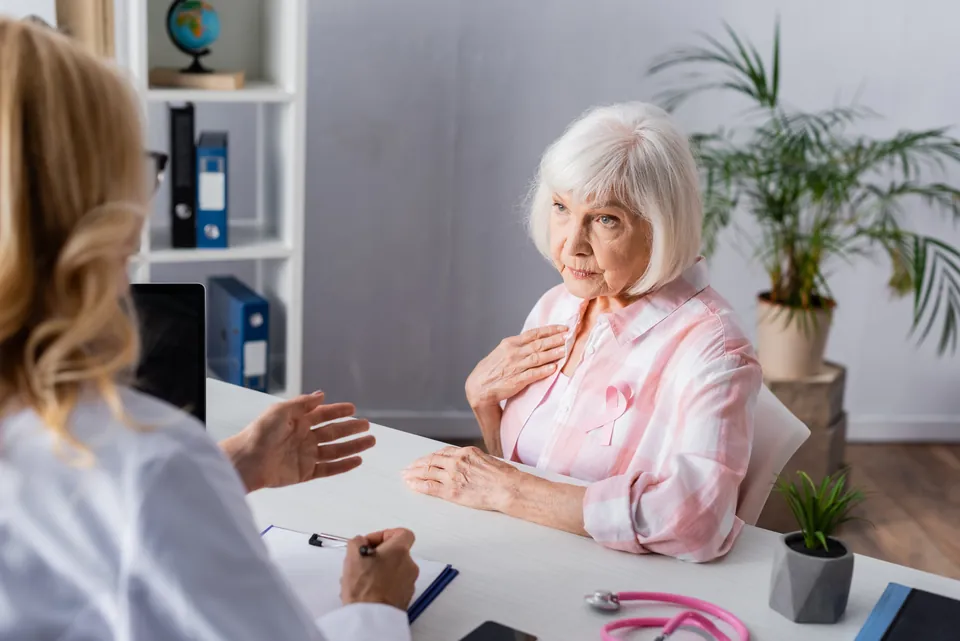
What is menopause and what are its symptoms? How it is diagnosed, bone and heart health, and hormonal and non-hormonal options for managing symptoms.
Menopause is the permanent end of periods caused by declining ovarian function and falling oestrogen levels; it is defined as 12 consecutive months without a period, and it occurs in most women at around 45-55 years of age, though this varies from person to person. It is not a disease but a natural stage of life. Even so, its symptoms can affect sleep, mood, daily functioning and sexual life, and options exist for these symptoms. The information below provides a general framework; it does not replace an individual diagnosis or treatment recommendation.
What is menopause, and when does it happen?
Menopause is defined as 12 consecutive months without periods and no other obvious cause. The stage after periods cease is postmenopause. Timing varies; it may occur earlier or later for you.
How do perimenopause, menopause and postmenopause differ?
The transition to menopause usually begins with changes in the menstrual pattern and can last several years; pregnancy is still possible during this period, and it is appropriate to discuss contraception with a doctor. Menopause is confirmed once 12 months without periods have passed; the period afterwards is postmenopause.
In the process leading to menopause, the ovaries gradually reduce their production of oestrogen and progesterone. Because these hormones affect the brain, blood vessels, bones, skin and genital tissues, symptoms are not limited to a single organ. In the same person, the type and severity of symptoms can also change over time. Because of this variety, tracking when complaints started, how often they occur and how they affect daily life makes assessment easier. People with mild symptoms may not need treatment; for those whose symptoms affect daily life, options are available.
Does menopause always occur naturally?
It occurs naturally for most women, but ovarian removal, radiotherapy or chemotherapy may also cause it. Symptoms may start more suddenly and markedly; the approach is planned according to your circumstances and the cause.
What symptoms occur with menopause?
Symptoms vary greatly. Some substantially affect quality of life, while others cause few or no symptoms. Commonly described symptoms include:
- Sudden heat, facial or neck flushing and night sweats, which may interrupt sleep and lead to insomnia, daytime tiredness and difficulty concentrating.
- Mood changes, including anxiety, low mood and irritability; sleep problems and life changes may also contribute.
- Vaginal dryness, burning, painful intercourse, frequent urination and urinary leakage.
- Joint and muscle pain, skin and hair changes and altered weight distribution.
Age-related changes may also contribute, so do not attribute every symptom solely to menopause. Seek advice for severe psychological symptoms or those disrupting daily life.
Are there options for vaginal dryness and urinary symptoms?
Yes. Options range from non-hormonal moisturisers and lubricants to local treatments, chosen with your doctor. The belief that sex life ends after menopause is common but mistaken.
Can sexually transmitted infections still occur after menopause?
Yes. Pregnancy risk disappears after menopause, but sexually transmitted infections, including HIV, remain possible. Discuss protection and screening with your doctor if you have a new partner.
How is menopause identified, and are tests needed?
In a healthy older woman, diagnosis relies on symptoms and period history; the same approach applies without a uterus. Blood tests are not needed for everyone, but may be requested in specific situations such as suspected menopause at a younger age. Results alone are insufficient for a decision and are harder to interpret with hormonal contraception.
How can menopause affect bone and cardiovascular health?
Menopause is associated with loss of bone density (osteoporosis) and increased fracture risk, reduced cardiovascular protection, and weakening of the pelvic support tissues (organ prolapse). For this reason, menopause is considered not only as a period of hot flushes but also as a time when long-term health should be reviewed. Measuring bone density and monitoring cardiovascular risk factors such as blood pressure and blood lipids are planned by the doctor according to the person's age and risk status.
Are incontinence and prolapse inevitable during menopause?
No. Weakened pelvic support may cause leakage, pelvic pressure or prolapse, but these need not be accepted as inevitable ageing. They can be assessed and have treatment options. Continue regular gynaecological reviews and recommended screening after menopause even without symptoms.
How are menopausal symptoms managed?
Hormonal and non-hormonal options can reduce symptoms; discuss suitability with your doctor. Regular movement, avoiding smoking and good sleep habits matter for general, bone and cardiovascular health. These measures may not remove all symptoms but are considered alongside other options.
Keeping a symptom diary makes it easier to see when and under what circumstances complaints occur, and allows you to go to the doctor's appointment with concrete information.
Is hormone treatment a suitable option for menopausal symptoms?
Hormone therapy is considered one of the most effective options for hot flushes and genitourinary symptoms, and also contributes to protection against bone loss. The balance of benefit and risk is generally described as favourable in people who start it close to menopause and have no contraindications, and less favourable when started later. The duration, type and route of treatment are determined for the individual and reassessed at regular intervals. Matters such as risks related to clotting, stroke, breast tissue and the uterine lining require individual assessment.
What options exist if I cannot or do not want to use hormones?
For people who cannot or do not wish to use hormone therapy, cognitive behavioural therapy, clinical hypnosis and some prescription medicine groups are among the options. Which of these is suitable depends on the type of symptom and any accompanying conditions. The availability and suitability of these medicines in Türkiye should be discussed with the doctor.
Do herbal products and supplements help menopausal symptoms?
No. Evidence of effectiveness is insufficient. Products labelled natural may have side effects and medicine interactions; consult a doctor or pharmacist before use.
When should you seek advice during menopause?
When preparing for a doctor's appointment, it can help to note the date of your last period, when and how often symptoms occur, the medicines and supplements you use, and any family history of osteoporosis, heart disease or breast cancer. This information makes it easier to assess the options for the individual. It is also useful to share your expectations and preferences about hormone therapy, non-hormonal medicines and lifestyle measures with the doctor.
It is appropriate to see a doctor for hot flushes, sleep problems, mood changes, dryness, pain during sex or urinary complaints that affect daily life. If bleeding occurs after menopause, this should not be considered a normal part of menopause and should be reported to a doctor.
Frequently Asked Questions
Is menopause a disease?
No. It is a natural life stage as ovarian function declines, though symptoms may affect sleep, mood and daily life. Options are available for these symptoms.
Does menopause occur at the same age for everyone?
No. It usually occurs around ages 45-55, but varies and may happen earlier or later.
Are perimenopause and menopause the same?
No. Perimenopause is the transition, starting with period changes and potentially lasting several years; pregnancy remains possible. Menopause is established after 12 consecutive months without periods.
Are weight gain, hair loss and reduced sex drive caused by menopause?
None of these complaints can be attributed to menopause alone. Age-related changes, sleep patterns, stress, medicines used and accompanying conditions can also contribute. For this reason, the cause of the complaint is reviewed together with the doctor; asking for an assessment, rather than using a product on your own, is advisable.
How can you tell whether menopause is causing depression?
The relationship between menopause and psychological symptoms is complex; hormonal change, sleep disturbance and life circumstances can all play a role together. If low mood or anxiety persists and disrupts daily life, these symptoms should be assessed separately, and mental health support options can be discussed with the doctor.
Does sexual life end after menopause?
No. Complaints such as dryness and painful sex can be related to menopause, but they can be assessed and, in most cases, eased. This is not a topic to feel hesitant about discussing with the doctor; options are determined according to the type of complaint.
Are blood tests always needed to diagnose menopause?
No. In healthy older women, symptoms and period history generally establish it. Tests may be requested in specific circumstances, such as suspected menopause at a younger age.
Is bleeding after menopause normal?
No. Report it to your doctor rather than regarding it as an ordinary part of menopause.
Are incontinence or prolapse inevitable after menopause?
No. These symptoms can be assessed and have options; they should not be accepted as inevitable ageing.
Can herbal products and supplements be used safely for menopausal symptoms?
No. Their effects are unproven, and natural products may have side effects or medicine interactions. Consult your doctor or pharmacist before use.
Do I still need reviews after menopause without symptoms?
Yes. Continue regular gynaecological reviews and recommended screening even without symptoms.
How can I support a loved one going through menopause?
Not dismissing their complaints, being understanding about sleep and mood changes, and encouraging them to see a doctor when needed can be helpful. The person's own preferences should take priority in decision-making.
Get Your Free Consultation
Fill out the form below and our team will contact you

