


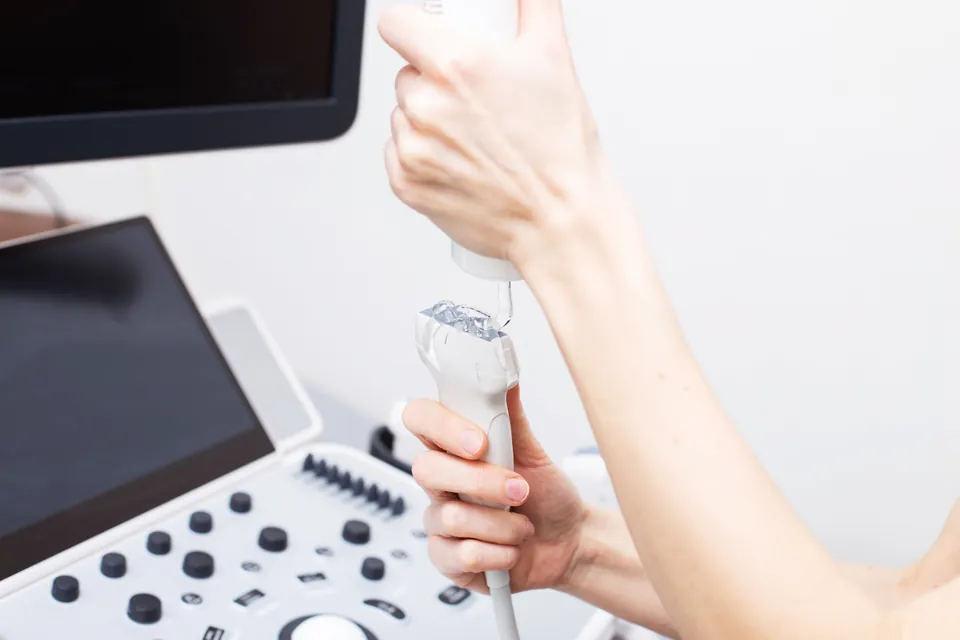
What is insemination (IUI), who is it for, and how is it done in natural and medicated cycles? Evidence, multiple pregnancy risk and moving to IVF.
In insemination treatment (IUI), sperm prepared in the laboratory is placed in your uterus timed to coincide with ovulation. Fertilisation takes place here inside your body, not in the laboratory as in IVF. For this reason your fallopian tubes need to be open. The information here draws a general framework; it does not replace the diagnosis or recommendation your doctor will make specifically for you.
What is insemination (IUI)?
First, a sperm sample taken from your partner is processed in the laboratory; the motile and healthy sperm cells are separated. Then this sperm is placed directly into your uterus with a thin catheter passed through the cervix. The aim is to increase the number of sperm that will meet the egg and to shorten the sperm's route. In insemination there is no ovarian stimulation, egg collection or embryo transfer. In this respect it differs from IVF.
Is insemination recommended for you?
Your doctor brings up insemination most often in unexplained infertility. It can also be an option in some male factor cases and in ovulation problems.
If your tubes are blocked or the male factor is severe, insemination may not be suitable for you; in this case other methods such as IVF are considered. Your age is also one of the most important factors determining the result of insemination. Your doctor decides which method suits you by looking at your and your partner's results.
How is insemination performed in a natural cycle?
In a natural cycle you do not use medicines. Your ovulation is monitored with ultrasound and, if necessary, hormone tests. When ovulation approaches, the sperm sample is taken, prepared and placed in your uterus.
How is insemination performed in a medicated, stimulated cycle?
In some couples, oral medicines or injections are used to support ovulation or to develop more than one egg. Your doctor determines the type of medicine and the frequency of monitoring. In stimulated cycles ultrasound monitoring is particularly important, because the risks increase if many eggs develop.
What happens during the insemination procedure?
Placing the sperm takes a short time and is done on the examination couch. The discomfort you feel varies from person to person. Your doctor will tell you the instructions about resting after the procedure and about daily life.
What does the evidence say about insemination?
Current guidelines recommend, in unexplained infertility, waiting and monitoring for a time as the first step instead of starting medicated insemination straight away. If waiting does not give a result, insemination stimulated with oral medicines is preferred over insemination stimulated with injections. If no result is obtained from stimulated insemination either, IVF is preferred over waiting. These recommendations are not definitive; the data they rest on are not yet considered strong.
Studies on this subject have not shown a definite difference in live birth in most comparisons in unexplained infertility. Even so, there is moderate-strength evidence that insemination stimulated with medicines may increase the chance of live birth in some couples compared with waiting and monitoring. Multiple pregnancy is the greatest risk of insemination stimulated with medicines. Do not see insemination as a "mild" version of IVF or as a step everyone should try first.
What are the risks of insemination?
- Multiple pregnancy: If more than one egg develops in medicated, stimulated cycles, the likelihood of a pregnancy with twins or more babies increases. If monitoring shows that many eggs have developed, your doctor decides whether to continue with the cycle.
- Ovarian hyperstimulation syndrome (OHSS): It can be seen in medicated, stimulated cycles. It depends on the dose of the medicine and on how your ovaries respond to it.
- Infection: As with every procedure, this is a risk here too.
- Medicine side effects: Complaints such as hot flushes, headache and nausea may be seen.
- Ectopic pregnancy: The possibility of ectopic pregnancy should not be forgotten after a pregnancy has formed.
After insemination, how is the move to IVF decided?
Your doctor will tell you when to take the pregnancy test. If you take the test before the stated time, the result may be wrong. If you do not get a result from insemination, the next step is decided according to your age, the cause of the infertility and your previous response: repeating the same method, changing the medicine plan or moving to IVF may be considered. There is no single number for how many attempts should be made before moving to IVF; you should talk about this plan with your doctor from the start.
IVF treatment is carried out within Ota Jinemed and Liv Hospital Ulus, with the laboratory and embryology teams of these hospitals.
Frequently Asked Questions
Why do the tubes need to be open in insemination?
In insemination, fertilisation takes place inside your body, in the fallopian tubes. For the resulting embryo to reach the uterus, it also has to pass through the tubes. For this reason, whether your tubes are open is checked with imaging methods before insemination; the result determines whether insemination is suitable for you.
Which tests are requested before insemination?
Generally a semen analysis is requested from the male partner, and an assessment of ovulation and the tubes from the woman. A uterine and ovarian ultrasound and some hormone tests may be added to this. Which tests are needed varies from person to person; your doctor determines the plan that suits you.
Is ovulation stimulation with medicines always done together with insemination?
No. In people with an ovulation problem, these medicines can also be used together with timed intercourse. Whether insemination is added depends on the cause of the infertility, the sperm results and the state of the tubes. While the medicine only supports ovulation, insemination includes, in addition, the placing of sperm into the uterus.
Is insemination a milder version of IVF?
No. Insemination should not be seen as a "mild" version of IVF or as a step everyone should try first; your doctor decides which method suits you according to your and your partner's situation.
Are ovarian stimulation, egg collection or embryo transfer done in insemination?
No. In insemination there is no ovarian stimulation, egg collection or embryo transfer; this is the basic difference that separates insemination from IVF.
Can insemination be applied in every couple?
No. If your tubes are blocked or the male factor is severe, insemination may not be suitable for you; in this case other methods such as IVF are considered.
What is the greatest risk of insemination stimulated with medicines?
Multiple pregnancy. If more than one egg develops, the likelihood of a pregnancy with twins or more babies increases; if monitoring shows that many eggs have developed, your doctor decides whether to continue with the cycle.
Can I take the pregnancy test after insemination before the time my doctor stated?
It is not recommended. If you take the test before the stated time, the result may be wrong; it is recommended that you wait for the time your doctor has stated.
What happens if insemination does not give a result?
The next step is decided according to your age, the cause of the infertility and your previous response: repeating the same method, changing the medicine plan or moving to IVF may be considered. There is no single number for how many attempts should be made before moving to IVF.
Where is insemination treatment carried out?
IVF treatment is carried out within Ota Jinemed and Liv Hospital Ulus, with the laboratory and embryology teams of these hospitals.
Get Your Free Consultation
Fill out the form below and our team will contact you

