


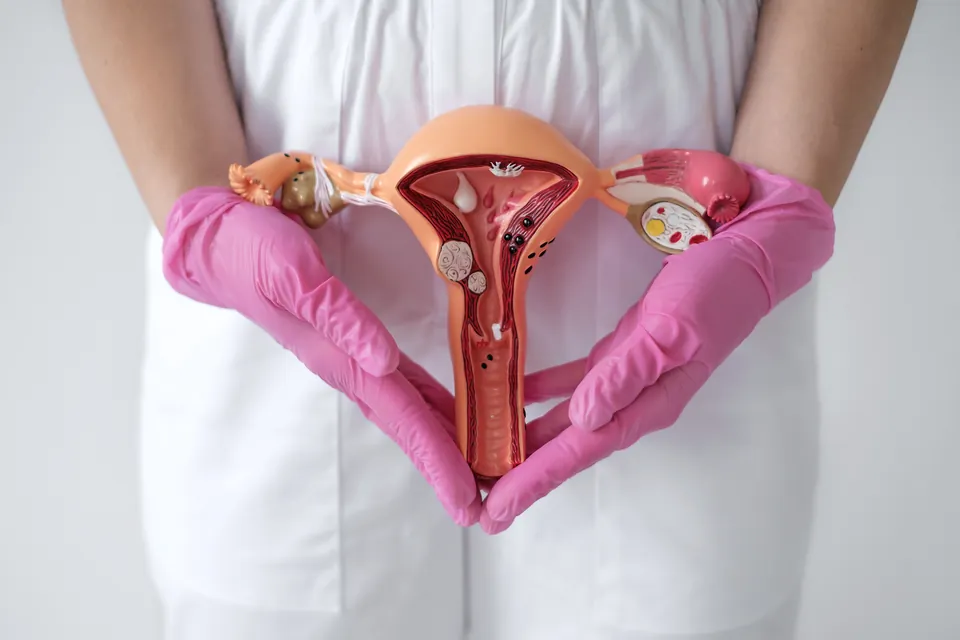
What is pelvic organ prolapse? Symptoms of cystocele, rectocele and uterine prolapse, assessment, monitoring, pelvic floor training, pessaries and surgery.
Pelvic organ prolapse is the descent of the bladder, rectum or uterus towards the vagina due to weakness of the pelvic floor. If there are no symptoms, treatment may not be needed; if symptoms are present, management options are assessed. The information below provides a general framework; it does not replace an individual diagnosis or treatment recommendation.
What is pelvic organ prolapse?
The pelvic organs are held in place by the pelvic floor muscles and connective tissue. When this support weakens, the organs can shift towards the vagina. Different names are used depending on which organ has descended; more than one type can be present in the same person.
Anterior wall prolapse (cystocele)
This is the descent of the bladder towards the front wall of the vagina. It is usually associated with difficulty passing urine, a feeling that the bladder has not fully emptied, or frequent urination.
Posterior wall prolapse (rectocele)
This is the rectum bulging towards the back wall of the vagina. Straining with bowel movements, a feeling that the bowel has not fully emptied, and the need to support the area with a finger through the vagina can be seen.
Uterine and vaginal vault prolapse
This is the descent of the uterus, or, if the uterus has been removed, of the uppermost part of the vagina (the vault). A feeling of fullness in the vagina and a sensation that something is prolapsing are the most noticeable complaints. Bowel loops bulging towards the back wall (enterocele) is also referred to as a separate type.
What are the symptoms of prolapse, and how can it affect daily life?
In many women, prolapse causes no symptoms and is noticed during a routine examination. When symptoms are present, a feeling of fullness, heaviness or bulging in the vagina, a palpable lump, difficulty passing urine or having a bowel movement, back pain, and an effect on sexual function can occur. Symptoms can worsen over the course of the day and with fatigue. Urinary incontinence can also occur together with prolapse.
What causes prolapse, and who develops it?
Childbirth history and conditions that put load on the pelvic floor, such as chronic straining and constipation, are most prominent in prolapse. The presence of these factors does not mean prolapse will develop; it can also occur in people with none of these factors.
How is prolapse assessed?
Examination and the concept of grading
Assessment starts by asking about symptoms and their effect on daily life. In the examination, how far a particular wall or organ has descended is usually observed during straining. Prolapse is divided into grades from mild to more advanced; this grading helps determine the treatment plan, but it may not always run parallel to the severity of symptoms.
Further tests if needed
In people with complaints related to urinary or bowel emptying, the doctor may request a urine test, tests measuring bladder function, or imaging if considered necessary. Not every case of prolapse needs further tests.
What are your treatment options, and how are they decided?
The choice of treatment depends on the severity of symptoms, the person's age and expectations, any accompanying health conditions, and expectations for sexual life.
Monitoring if there are no symptoms
Treatment may not be needed in a woman with no symptoms or mild symptoms. In this situation, monitoring is carried out at intervals, and reassessment is done if a new, bothersome symptom appears.
Pelvic floor muscle training and lifestyle
Regular exercises aimed at strengthening the pelvic floor muscles and lifestyle adjustments can reduce symptoms in mild to moderate prolapse. Evidence on the effectiveness of this approach remains limited; guidance from a health professional is recommended to make sure the muscle is being used correctly. Treating constipation, weight management and reviewing heavy-lifting habits are also among the lifestyle adjustments.
Pessary
A pessary is a soft device placed in the vagina that supports the prolapsing organ. It is among the first-line options for symptomatic prolapse and is an option for women who do not want surgery or cannot have surgery. Regular care and check-ups by the doctor are needed during use; the suitable size and type are determined for the individual.
When is surgery considered?
Surgery is considered in women whose symptoms are bothersome and who have not benefited sufficiently from other methods or do not want them. Options can be carried out vaginally or abdominally; the method varies according to the site of the prolapse, the person's general condition, and expectations for sexual activity. In some methods, mesh may be used for support; the balance of benefit and risk with this is debated, and the decision is made after detailed counselling. The details of surgical options and possible complications should be discussed separately with the doctor who will perform the procedure.
How do menopause, childbirth and heavy lifting affect prolapse?
In menopause, the decline in oestrogen levels can affect the pelvic support tissues and vaginal tissue; genitourinary symptoms that appear during this period should be assessed with the doctor. In the postpartum period, an examination is also appropriate if a feeling of heaviness or fullness has newly started. In work that requires constant heavy lifting, or in chronic cough, whether symptoms are increasing is monitored; the doctor determines the recommendation for the individual.
Frequently Asked Questions
What is pelvic organ prolapse, and how does it develop?
Pelvic organs are held in place by the pelvic floor muscles and connective tissue. When this support weakens, the bladder, rectum or uterus can move down towards the vagina. Terms such as cystocele, rectocele or uterine/vaginal vault prolapse are used depending on the organ involved; several types can occur together.
What is the difference between a cystocele and a rectocele?
A cystocele is descent of the bladder towards the front vaginal wall, usually associated with difficulty passing urine, incomplete bladder emptying or frequent urination. A rectocele is bulging of the rectum towards the back vaginal wall; difficulty passing stools, incomplete bowel emptying and needing to support the vaginal wall with a finger may occur.
Does prolapse always cause symptoms?
No. Many women have no symptoms and prolapse is noticed at a routine examination. Symptoms may include vaginal fullness, heaviness or swelling, a lump you can feel, difficulty passing urine or stools, back pain and effects on sexual function; symptoms may worsen during the day and with tiredness.
Who is more prone to prolapse?
A history of childbirth and conditions that strain the pelvic floor, such as chronic straining and constipation, are prominent factors. However, having these factors does not mean prolapse will definitely develop; it can also occur without any of them.
How is prolapse graded, and how does this affect treatment?
During examination, usually while you strain, the doctor observes which wall or organ descends and how far, and grades prolapse from mild to advanced. This helps determine treatment but does not always correspond to symptom severity.
Does every prolapse need extra tests such as urine tests or imaging?
No. If you have problems emptying your bladder or bowels, your doctor may request urine tests, bladder function tests or imaging if needed; not every prolapse needs additional testing.
Does prolapse without symptoms need treatment?
No, not always. Treatment may be unnecessary without symptoms or with mild symptoms; periodic follow-up is used, with reassessment if new, troublesome symptoms develop.
Does pelvic floor muscle training treat prolapse?
Regular pelvic floor strengthening exercises and lifestyle changes may reduce symptoms in mild to moderate prolapse, but evidence about their effectiveness remains limited. Guidance from a health professional is recommended to ensure the muscles are used correctly; treating constipation, managing weight and reviewing heavy lifting habits are also part of these changes.
Who is a pessary suitable for, and what care does it need?
A pessary is a soft device placed in the vagina to support the prolapsing organ; it is a first-line option for symptomatic prolapse and suits women who do not want or cannot have surgery. Possible side effects include vaginal discharge, light bleeding and irritation or erosion of the vaginal wall, so it needs regular removal and cleaning or checks by your doctor. If you develop symptoms, you should stop using the pessary and see your doctor.
When is prolapse surgery considered?
Surgery is considered when symptoms are troublesome and other methods have not helped enough or are unwanted. Vaginal or abdominal approaches are possible; the method depends on the prolapse site, your general health and expectations for sexual activity.
Does prolapse surgery affect urinary incontinence?
Prolapse repair can correct existing urinary complaints in some women; in others, new urinary incontinence can begin after surgery. For this reason, urinary complaints are assessed separately before surgery.
Is repair with mesh safe?
Permanent mesh can reduce awareness of recurrent prolapse and repeat prolapse surgery; however, it is associated with bladder injury, new urinary incontinence and mesh exposure, and exposure can require further surgery. There is a strong warning that transvaginal mesh repair for anterior or posterior vaginal wall prolapse should only be used in the context of research. For this reason, the use of mesh is assessed individually and with detailed counselling.
How does vaginal oestrogen in menopause relate to prolapse treatment?
Vaginal oestrogen is a separate option directed at genitourinary symptoms such as tissue thinning and dryness in menopause. If these symptoms are present together with prolapse, whether local oestrogen is added to prolapse management such as a pessary, exercise or surgery is determined according to the examination findings.
Get Your Free Consultation
Fill out the form below and our team will contact you

