


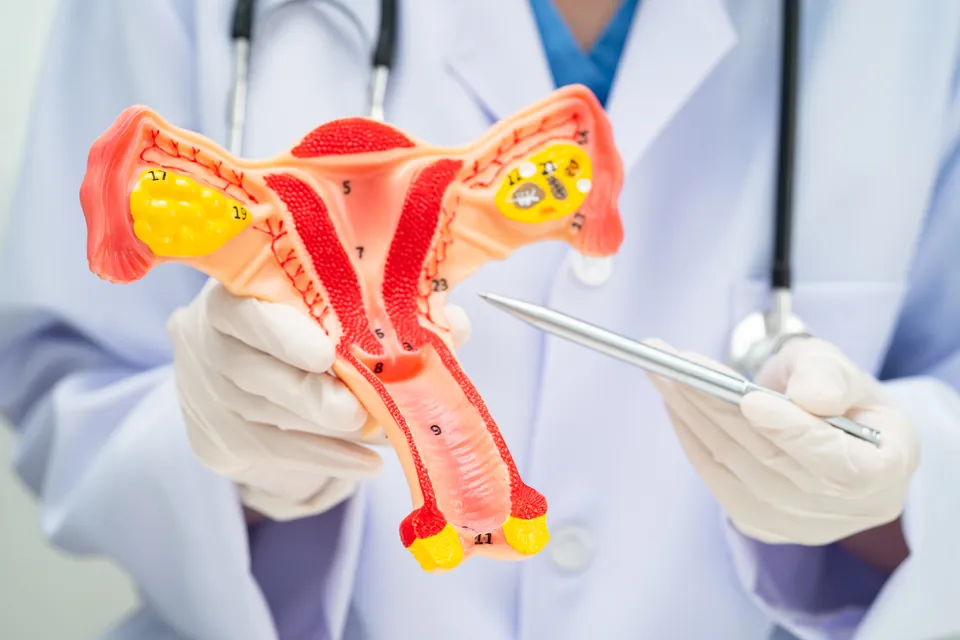
What are cervical diseases? General information on the course of HPV infection, erosion, polyps and pre-cancerous lesions, diagnosis and prevention.
Cervical diseases are a broad group covering inflammation, benign growths, pre-cancerous (potentially cancer-forming) cell changes and cancer of the cervix, the lower end of the uterus that opens into the vagina. HPV (human papillomavirus) infection is at the centre of this group. HPV is very common, often causes no symptoms, and is usually cleared by the immune system over time. The problem begins when some high-risk virus types persist for a long time. The information below provides a general map and does not replace an individual diagnosis or treatment recommendation.
What is the cervix, and what problems can occur?
The cervix is the tissue at the lower part of the uterus that forms the passage between the uterine cavity and the vagina. Because it can be seen with a speculum during an examination, it is the target of screening and sampling procedures. Some problems seen on the cervix are harmless and temporary, while others require monitoring or treatment.
What are cervicitis, ectropion (erosion) and Nabothian cysts?
Cervicitis is inflammation of the cervix. It can present with discharge, light bleeding after sex, or painful sex; sometimes it causes no symptoms at all. The cause may be infection or irritation, so the cause is investigated through examination and, if needed, laboratory tests.
Ectropion is a red, tender-looking appearance caused by the cells lining the inside of the cervix shifting outward. This is often what is popularly called "erosion" or a "sore on the cervix". It is not considered a sign of cancer on its own; however, because other conditions can produce the same appearance, the doctor carries out the assessment.
Nabothian cysts are small, fluid-filled sacs that form when the opening of a gland on the cervix closes. They usually cause no complaints and are detected incidentally.
What is a cervical polyp, and can it cause symptoms?
A cervical polyp is a soft, usually benign growth arising from the surface or canal of the cervix. It can cause bleeding between periods, bleeding after sex or discharge, or it can cause no symptoms. A polyp is usually noticed during an examination; when removed, the tissue is sent for pathological examination.
What are precancerous lesions and cervical cancer?
Pre-cancerous lesions are changes in cervical cells that are usually associated with persistent high-risk HPV infection; they are not cancer. If left untreated, these lesions can progress to cervical cancer over time; this progression usually takes many years and can be faster in people with weakened immunity. Because pre-cancerous lesions rarely cause symptoms, screening tests are important. Cancer staging and oncological treatment are a separate area of expertise, carried out by a gynaecological oncology team.
What is HPV infection?
HPV is a group of viruses with numerous types. Most sexually active people encounter one or more HPV types at some point in their life.
How is HPV transmitted, and why is it often unnoticed?
HPV is transmitted mainly through sexual contact. Because the infection causes no symptoms in most people, when and from whom transmission occurred often cannot be determined. For this reason, a positive HPV result carries no judgement about the person's or their partner's behaviour.
How do low-risk and high-risk HPV types differ?
Low-risk types usually cause genital warts and do not cause cancer. High-risk types can cause persistent infection of the cervix, which can lay the groundwork for pre-cancerous lesions and cancer. Among the high-risk types, a few are responsible for the majority of cervical cancers; type information is stated in the HPV test result report.
When does HPV persist, and what increases risk?
Failure of the infection to clear, and it becoming persistent, is the main factor that determines the risk of progression. Alongside the virus type, immune status, the presence of other sexually transmitted infections, number of births, first pregnancy at a young age, use of hormonal contraception and smoking are listed among the factors affecting risk. The presence of these factors does not mean that progression to cancer is certain; it only increases the importance of monitoring.
Which symptoms need examination?
Most cervical diseases, especially in the early stages, cause no symptoms. For this reason, having regular screening without waiting for a complaint is essential. An examination is needed in the following situations:
- Bleeding after sex or bleeding outside of a period
- Unpleasant-smelling or blood-stained discharge
- Painful sex
- A previously abnormal screening result that has not been followed up
These symptoms can also occur with benign causes such as inflammation or a polyp; however, an assessment is needed to distinguish the cause. A normal smear or HPV result does not make assessment of these symptoms unnecessary.
How is it diagnosed?
Diagnosis is staged. The first step is a smear (cytology), which examines a sample of cells taken from the cervix, and an HPV DNA test, which looks for the virus's genetic material. These tests do not make a diagnosis; they are screening tools that show whether further assessment is needed. How often each test is carried out depends on age, previous results and the screening programme in the country; you can find out about the programme used in Türkiye from a healthcare facility.
If the screening result is abnormal, the second step is colposcopy. Colposcopy is examination of the cervix with an illuminated magnifying instrument; if a suspicious area is found, a small tissue sample (biopsy) is taken in the same session. The pathology result of the biopsy provides the definitive diagnosis.
Decisions about abnormal screening results are based not on a single result but on the overall risk calculated from current and previous results. This approach can vary from country to country; the doctor carrying out the examination determines the plan suited to the individual.
Does every abnormal result need treatment, or can it be monitored?
Not every abnormal result requires treatment. Low-grade changes are usually monitored at set intervals, because some of these changes are cleared by the immune system. For higher-grade lesions, removing or destroying the affected tissue is considered. The treatment method is chosen according to the characteristics of the lesion and the individual's situation. Monitoring continues after treatment, because the procedure removes the lesional tissue but does not show that the virus has been cleared.
For benign conditions such as a cervical polyp, inflammation or a nabothian cyst, the approach is determined according to the complaint and findings; often, monitoring alone may be sufficient if there are no symptoms.
How can cervical disease and HPV be prevented?
Prevention does not rely on a single step. The HPV vaccine protects against the types it covers; regular screening detects changes that have already formed at an early stage; barrier methods reduce the risk of transmission; stopping smoking helps reduce the risk of cervical cancer. Each of these steps reduces risk, and they complement one another.
Can cervical disease or HPV cause problems during pregnancy?
HPV infection or mild cervical changes do not, in most cases, prevent a pregnancy plan. If an abnormal screening result occurs during pregnancy, the assessment is adapted to the pregnancy, and if a procedure is needed, its timing is determined by the doctor according to the state of the pregnancy. Keeping your screening status up to date before pregnancy makes it easier to address a possible problem before pregnancy begins.
Frequently Asked Questions
Does a Nabothian cyst need treatment?
Usually not. It generally causes no symptoms and is found incidentally during another examination.
Is a cervical polyp cancer?
No. It is generally benign, but removed tissue is sent for pathology to be sure.
Is cervical erosion cauterised?
Ectropion with no complaint usually does not require treatment. If there is a complaint such as bleeding or discharge, the cause is investigated first; whether a procedure is needed is decided after examination.
Does HPV infection definitely lead to cancer?
No. HPV is very common and most infections clear through the immune system. Problems begin when some high-risk types persist, but this does not mean progression to cancer is certain.
Does a positive HPV result mean my partner has been unfaithful?
No. Because the virus can be present for a long time without symptoms, the timing and source of transmission often cannot be determined. The presence of HPV alone does not show that there has been infidelity in the relationship.
Does a positive HPV test mean treatment starts immediately?
No. Smear and HPV tests are screening tools, not definitive diagnoses. Abnormal results first prompt colposcopy and biopsy if needed; treatment is decided afterwards.
Does every abnormal smear or HPV result need treatment?
No. Low-grade changes are generally monitored at intervals because some clear spontaneously. Treatment is considered for higher-grade lesions.
Does treatment completely clear the virus?
Removing or destroying lesion tissue does not show that the virus has cleared completely. Follow-up therefore continues afterwards.
If I use a condom, does that mean HPV cannot be transmitted?
A condom reduces the risk of transmission, but it does not provide complete protection, because contact can occur in areas it does not cover. Alongside condom use, you should also consider vaccination and regular screening.
If I have had the HPV vaccine, do I still need a smear?
Yes. The vaccine does not replace the screening test; the recommendation to screen continues even for people who have been vaccinated.
Does stopping smoking completely remove cervical cancer risk?
No. It helps reduce risk, but prevention involves vaccination, regular screening and methods such as condoms together, rather than one step alone.
Does an abnormal screening result during pregnancy require an immediate procedure?
No. Assessment is adapted to pregnancy. Your doctor determines timing if a procedure is needed according to the pregnancy's circumstances.
Get Your Free Consultation
Fill out the form below and our team will contact you

