


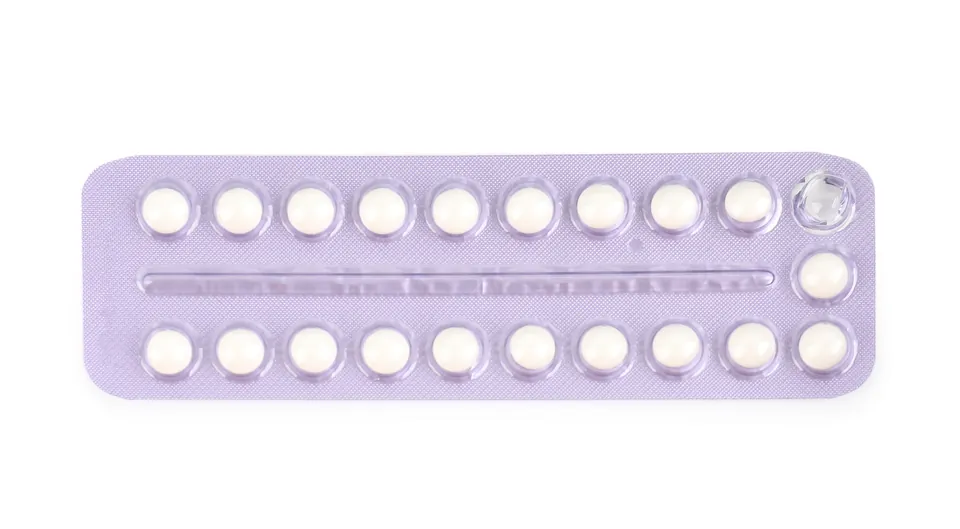
Explore hormonal contraception methods, correct use, side effects, individual risk assessment and when to review your method with your doctor.
Hormonal contraception aims to prevent pregnancy using hormones in pills, patches, rings, injections or implants. Selection is made with a doctor according to your health, preferences and pregnancy plans. This information is general, not individual advice on a medicine, dose or when to start. Do not start or stop a method without consulting your doctor.
How does hormonal contraception work?
Hormonal methods deliver substances similar to natural hormones. They generally suppress ovulation and cause changes in the cervix and uterine lining that make pregnancy less likely. Current medical guidance considers these methods suitable for most people, with the choice depending on health, preferences and needs. Pills, patches, rings and injections work with regular use, while implants are long-acting. They do not protect against sexually transmitted infections; condoms are used for that purpose.
Which hormonal contraceptive methods are available?
- Combined methods (pill, patch, ring): contain two hormones. The pill is taken daily, while patches and rings follow a schedule. Instructions vary by product; follow your doctor and the leaflet. Suitability needs careful assessment because of blood clot and vascular disease risk.
- Progestogen-only methods (mini-pill, injection, implant): contain one hormone and may suit people unable to use combined methods. The mini-pill is taken daily, injections at intervals, and an implant is a small rod placed under the skin of the arm. Changes in bleeding are common. Ask your doctor which products are available in Türkiye and how to obtain them.
- Hormone-releasing coil: a device placed inside the uterus; insertion, removal and follow-up are separate procedures.
How effective are hormonal methods, and why does correct use matter?
Effectiveness is closely related to regular, correct use. Advice after a missed pill depends on the product and length of delay. Consult the information leaflet and ask a doctor or pharmacist rather than inventing your own rule.
What are the side effects of hormonal contraception?
Depending on the method and individual, nausea, breast tenderness, headache, mood changes, spotting and bleeding between periods may occur. Some symptoms change with duration of use. Persistent discomfort may prompt your doctor to consider a different method or type. Effects on weight, mood and libido vary between people.
Who should not use hormonal contraception, and what are the risks?
Combined methods may be associated with rare but serious blood clots, stroke and heart attack. Current medical eligibility criteria place combined methods in an unacceptable-risk category in some circumstances, such as older age with heavy smoking, previous clots or stroke, certain cardiovascular conditions, severe hypertension and migraine with aura. Tell your doctor about migraine and aura, such as visual symptoms before a headache. The complete list and categories are interpreted individually; in Türkiye, the doctor's assessment and licensed product information apply.
Levels of blood clot, stroke and cancer risk vary with the method and individual; the balance of benefits and risks is personal.
Your doctor reviews your personal and family history, smoking, blood pressure, migraine history and medicines, and may request further tests if needed.
What can you ask your doctor when choosing a method?
- Is this method suitable for my history, and which risk factors matter?
- How might my bleeding pattern change?
- If planning pregnancy, what should I expect when stopping and afterwards?
- Could it interact with other medicines?
- What should I do if I forget to use it?
What should you know about starting and stopping hormonal contraception?
Your doctor determines when to start according to the product and your circumstances; additional protection may initially be needed. Discuss stopping and planning a replacement method beforehand. If you plan pregnancy, the return of fertility varies by method and person. Hormonal methods may also treat problems such as irregular or painful periods in some people, as decided by a doctor.
Are regular reviews needed when using a hormonal method?
Yes. Reviews help assess whether the method remains suitable. Reassessment may be needed if health, medicines, smoking or pregnancy plans change. Tell your doctor about a new medicine, planned surgery or prolonged immobility. Discuss changing or stopping a method and planning replacement contraception.
Frequently Asked Questions
Are pills, patches, rings, injections and implants the same?
No. Hormone types and schedules differ. Current medical guidance describes implants, IUDs and sterilisation among the most effective, long-acting methods; pills, injections, patches and rings are effective with correct, regular use. Barrier and natural methods are considered less reliable by comparison; only condoms protect against sexually transmitted infections, including HIV. Discuss side-effect concerns, which may discourage use, with your doctor.
How is suitability for a hormonal method established?
Current medical eligibility criteria divide each health condition into four categories: 1, no restriction; 2, benefits generally outweigh risks; 3, risks generally outweigh benefits; and 4, unacceptable risk. Combined pills, patches and rings are assessed separately within these criteria. Your doctor interprets this framework according to your history and licensed product information in Türkiye.
Can I take the pill if I smoke or have migraine or high blood pressure?
Current medical criteria place combined methods in category 4 for people aged 35 or over who smoke 15 or more cigarettes daily. Migraine with aura is also category 4, while migraine without aura is category 2. Severe hypertension, with systolic pressure of 160 or diastolic pressure of 100 mmHg or above, is category 4. Tell your doctor about smoking, migraine and blood pressure; the doctor determines suitability.
Do I need a break after taking the pill for a while?
No. There is no such requirement; your doctor advises according to your circumstances.
Can every woman use the contraceptive pill?
No. Suitability is assessed individually; hormonal methods are not used for some health conditions.
Does hormonal contraception protect against sexually transmitted infections?
No. It only aims to prevent pregnancy; condoms should be used for protection against sexually transmitted infections.
Are hormonal methods used only for contraception?
No. They may also treat irregular or painful periods in some circumstances, as decided by a doctor.
Can I stop the method myself if I have side effects?
No. Discuss stopping with your doctor first; suddenly stopping may create a pregnancy risk.
What should I do if I miss a pill?
This depends on the product and length of the delay. Check the leaflet and consult a doctor or pharmacist rather than making up your own rules.
Does fertility return immediately after stopping a hormonal method?
Timing varies by method and person. Discuss this beforehand if planning pregnancy.
Which changes should I report while using a hormonal method?
Tell your doctor about a new medicine, planned surgery, prolonged immobility or changes in health, smoking or pregnancy plans.
Is a hormone-releasing coil a hormonal contraceptive method too?
Yes. It is hormonal contraception, but insertion, removal and follow-up are assessed as separate procedures.
Get Your Free Consultation
Fill out the form below and our team will contact you

