


In which illnesses and treatments is egg freezing for medical reasons considered? The options, whom to talk to and questions to ask your doctor.
Egg freezing for medical reasons is taking and freezing eggs beforehand in situations where an illness other than cancer, a treatment or an operation may affect the ovaries. If you are about to start a treatment that may harm the ovary, this option should be considered before treatment starts, if possible as soon as the diagnosis is made. This applies not only to cancer but also to sickle cell disease, thalassaemia and some rheumatological diseases. While fighting a chronic illness it may feel hard to think about fertility as well; this is normal. The doctor who follows your illness and a reproductive specialist decide together which route is suitable for you.
Which medicines and treatments can affect the ovary?
In immune system diseases such as lupus, strong medicines that can harm the ovary may be needed. In blood diseases that require bone marrow or stem cell transplantation, in sickle cell disease and in thalassaemia too, the subject of fertility is raised. How much a medicine will affect the ovary varies with the person, the illness and the type of medicine.
How is fertility discussed before ovarian surgery?
In some situations that require an operation, such as endometrioma (chocolate cyst), you can talk with your gynaecologist before the operation about the effect of the operation on the ovary and whether preserving fertility is needed.
Why does timing matter in genetic conditions?
In genetic conditions that carry a risk of premature ovarian insufficiency, such as Turner syndrome, timing is very important. Because the egg reserve has generally already run out by the time the insufficiency becomes evident, there is no chance left to freeze. For this reason it is important that the subject be addressed before ovarian function has fallen markedly; a doctor experienced in this area assesses the right time.
When and with whom should fertility preservation be discussed?
Fertility preservation should be considered before treatment or an operation starts. For this it is important that the doctor who follows your illness (such as a rheumatologist, haematologist or gynaecologist) and a reproductive specialist assess together; in this way the risks can be weighed correctly. The treatment of the illness often determines the timing. Your doctors decide together which option is possible and how it will affect the treatment of the illness. Doing nothing to preserve fertility can also be an informed choice.
What fertility preservation options are there?
The options recommended to you vary with your age, your illness, your treatment plan and how much time you have. Established (proven) methods and methods that are still experimental should be explained clearly apart from each other; an experimental method can be offered only within a study approved by an ethics committee.
How are eggs and embryos frozen?
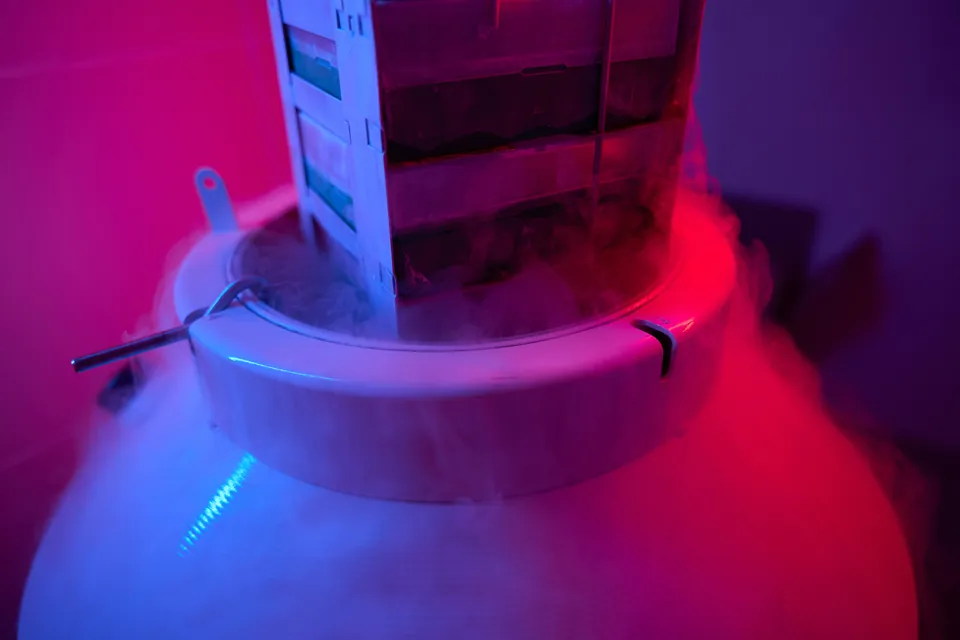
Freezing eggs, sperm and embryos are assisted reproduction methods widely used today. In egg freezing the eggs collected are frozen and stored; in embryo freezing the eggs collected are fertilised in the laboratory and the embryos that form are frozen.
What is ovarian tissue freezing, and for whom is it suitable?
In some situations a small piece of the ovary can be taken and frozen. The doctor who follows your illness and the reproductive specialist decide together whether this method is suitable for you. Because taking the piece is itself an operation, the risks of this operation are also taken into account in the decision.
Does a GnRH analogue take the place of egg or embryo freezing?
Hormone medicines called GnRH analogues are also among the options discussed. However, these medicines do not take the place of egg or embryo freezing; they can be recommended in addition after freezing has been done, or when freezing cannot be done at all.
How does the egg or embryo freezing process work?
In egg or embryo freezing, the ovaries are first stimulated with medicines, and the eggs that mature are collected and frozen. Whether the hormone medicines you will use are suitable for your illness, how they will be monitored and their interaction with your other medicines are assessed together by the doctor who follows your illness and the reproductive specialist.
What do reserve indicators such as AMH show in this context?
The AMH level measured by a blood test before treatment starts cannot reliably predict what your fertility will be later; the data on this are also still limited. A result that comes out low or normal does not show whether you will be able to conceive after treatment is over. The result must be assessed together with your illness, your treatment and your age.
When and how are the frozen eggs used?
Before frozen eggs are used, whether your health at that time is suitable for pregnancy should be reassessed in detail; this is a step that must not be skipped. It cannot be guaranteed that a pregnancy will be obtained from the frozen eggs or that these eggs will always remain usable.
What is the situation in young girls?
The information here is for women who have completed puberty. In younger girls the situation is different; this subject is addressed together by the doctor who follows the child, a reproductive specialist and the family.
Is emotional support needed when making the decision?
Yes. It is strongly recommended that you receive psychological support and counselling when deciding. Both living with an illness and making a decision about fertility can be a heavy burden in themselves. Sharing these feelings with a specialist can support you.
What questions can be asked of the doctor?
- Can my illness or my planned treatment affect ovarian function?
- Which of the fertility preservation options are considered for my situation, and which are not?
- Are hormone medicines suitable with regard to the course of my illness and the other medicines I use?
- Does the illness affect the timing of my treatment, and if so how?
- What consent process applies at the storage and use stages?
- Whom can I contact about fees and payment?
Frequently Asked Questions
While using a medicine for an illness such as lupus, does a hormone injection protect the ovary?
It is thought that a hormone injection called a GnRH agonist may provide some protection while using a medicine such as cyclophosphamide, but the data on this are still limited and not definitive. The doctor who follows your illness and the reproductive specialist decide together whether this is suitable for you.
Is egg freezing needed before endometrioma surgery?
In women with extensive ovarian endometriosis (chocolate cyst), it is recommended that the benefits and drawbacks of preserving fertility be discussed with your doctor; the true benefit of this method is not yet known for certain. If the cyst is to be removed by surgery, the risk of a fall in ovarian reserve must also be taken into account. The decision is made together with your gynaecologist according to the scope of the operation and your personal situation.
After I freeze my eggs, how are storage and use decisions made?
It is recommended that what will be done in unexpected situations concerning the stored eggs (such as death, being unable to reach you or non-payment of the storage fee) be set down in writing before freezing. For the legal and administrative aspects of these decisions in Turkey, you can get information from the authorised healthcare institution.
My doctor did not raise fertility; can I ask myself?
Yes. The doctor prescribing your treatment is expected to refer you to a reproductive specialist at an early stage. If the subject has not been raised, you can ask this question yourself before treatment starts.
Is egg freezing for medical reasons done only for cancer patients?
No. It is considered in conditions such as sickle cell disease, thalassaemia and some rheumatological diseases too; the scope is not limited to cancer.
Is taking no step to preserve fertility an option?
Yes. Doing nothing to preserve fertility can also be an informed choice; the doctor who follows your illness and the reproductive specialist decide together which option is possible.
What is the difference between egg freezing and embryo freezing?
In egg freezing the eggs collected are frozen and stored; in embryo freezing the eggs collected are fertilised in the laboratory and the embryos that form are frozen.
Is ovarian tissue freezing an option recommended for everyone?
No. The doctor who follows your illness and the reproductive specialist decide together whether this method is suitable for you; because taking the piece is itself an operation, the risks of this operation are also taken into account.
Does a GnRH analogue (hormone injection) take the place of egg or embryo freezing?
No. These medicines can be recommended in addition after freezing has been done, or when freezing cannot be done at all; they are not an alternative to freezing.
Does the AMH level measured before treatment show whether I can conceive in the future?
No. The AMH level cannot reliably predict what your fertility will be; a result that comes out low or normal does not show whether you will be able to conceive after treatment is over.
How should experimental fertility preservation methods be offered?
Established (proven) and experimental methods should be explained clearly apart from each other; an experimental method can be offered only within a study approved by an ethics committee.
Are these methods also applied in young girls?
The information here is for women who have completed puberty; in younger girls the situation is different, and this subject is addressed together by the doctor who follows the child, a reproductive specialist and the family.
Get Your Free Consultation
Fill out the form below and our team will contact you

