


Learn about copper and hormonal IUDs, insertion, removal, side effects and follow-up, including what is usual afterwards and when to see your doctor.
IUD insertion places a small contraceptive device inside the uterus. An intrauterine device, also called a coil, provides long-lasting protection and can be removed by a doctor when requested. Copper and hormonal types are available. The following information provides an overview; medical assessment determines which method is suitable for you.
What is an IUD, and how does it work?
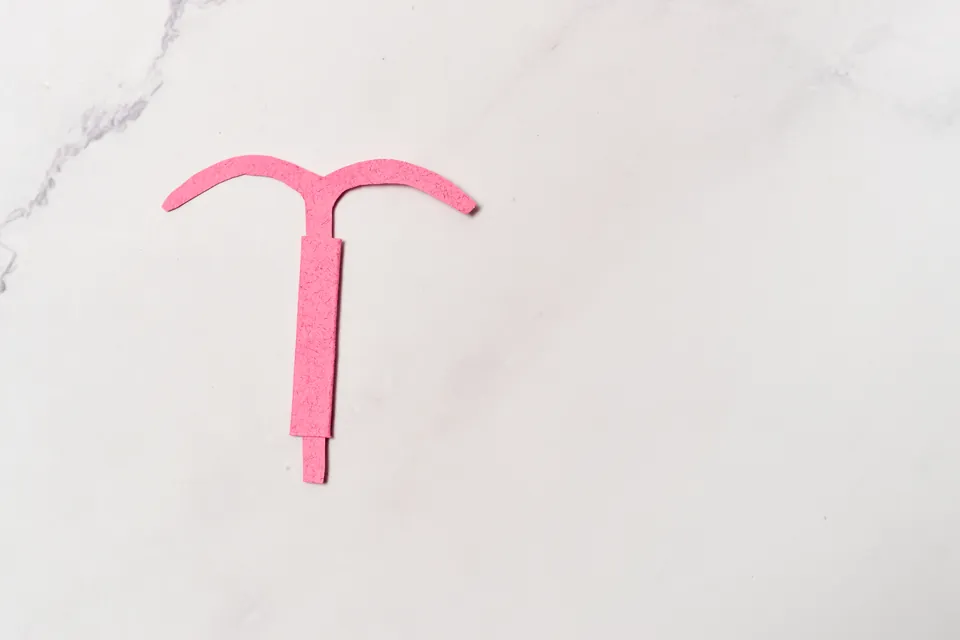
An IUD is a small, flexible device, usually T-shaped, placed in the uterine cavity. Current medical guidance considers IUDs, implants and sterilisation among the more effective, long-acting methods compared with pills, injections, patches and rings. An IUD prevents pregnancy rather than ending an existing pregnancy. It does not protect against sexually transmitted infections; condoms are used for that purpose.
How do hormonal and copper coils differ?
How does a copper coil work?
A copper IUD contains no hormones. It is understood to work by preventing fertilisation. It may be an option for someone who does not want hormones or cannot use hormonal methods. Increased menstrual bleeding and cramps are among the reported concerns.
How does a hormonal (levonorgestrel) coil work?
A hormonal IUD releases a progestogen inside the uterus. It can reduce menstrual bleeding; periods become less frequent or may stop in some people. The doctor assesses what this means for the individual. Pills, patches, injections and implants deliver hormones more generally throughout the body, while a hormonal IUD releases hormone directly inside the uterus.
How is the choice made?
The choice is discussed with the doctor according to bleeding patterns, cramps, preferences about hormones, health history and pregnancy plans. No type suits everyone. Duration of use varies by product and is explained by the doctor according to the information leaflet.
Who may or may not be suitable?
Suitability depends on personal history and examination findings rather than childbirth history. Pregnancy, an ongoing pelvic infection, unexplained abnormal vaginal bleeding, structural problems affecting the uterine cavity or certain cancers may prevent insertion or require postponement. This is not a complete list; the doctor decides.
How is an IUD inserted?
How is insertion timed, and what happens beforehand?
The doctor plans timing individually, considering period patterns or the period after birth or miscarriage. Beforehand, the doctor asks about possible pregnancy, signs of infection and health history. Ultrasound or infection screening may be requested if needed.
What might you feel during and after insertion?
Insertion takes place in an outpatient setting. After a speculum is inserted, a thin applicator places the IUD inside the uterus, and the threads are trimmed to extend slightly beyond the cervix. Cramps or an ache in the lower abdomen may occur during and after insertion. Sensations vary, and the procedure cannot be guaranteed to be painless. The doctor provides information about pain management.
How is a coil removed and replaced?
A doctor can remove an IUD in an outpatient setting by holding its threads whenever removal is requested. Another method or a replacement device is discussed according to pregnancy plans afterwards. Tell the doctor if you want removal before the device's use period ends. Do not try to pull it out yourself. If the threads cannot be seen or the device appears displaced, the doctor uses ultrasound or further imaging if necessary.
What are the side effects and risks of a coil?
- Bleeding and cramps: irregular bleeding, spotting or cramps may occur initially after insertion. They may change over time; tell the doctor if they persist.
- Expulsion and displacement: an IUD may move partly or completely out of place, particularly during the initial period of use in some people. Seek medical advice if the threads become shorter, longer or cannot be felt.
- Uterine perforation: this is a rare complication that may occur during insertion.
- Infection: pelvic infection can occur rarely.
- Pregnancy: although an IUD is highly effective, no method offers complete protection.
What should you pay attention to in daily life after insertion?
It is usually possible to return to everyday life, while following medical advice about mild cramps and spotting in the first few days. The doctor provides individual advice about intercourse, swimming and bathing. You can ask about tampons and pads during periods. Regular check-ups and making sure the threads remain in place are important for safe use.
How is follow-up arranged after coil insertion?
The doctor advises when to attend a check-up. You can occasionally check for threads in the way demonstrated. If you cannot feel them, the device may have moved; the doctor assesses this and arranges a pregnancy test if pregnancy is possible. Follow-up schedules and the need for ultrasound vary between individuals.
Frequently Asked Questions
How common is uterine perforation during insertion?
It is a very rare complication that may occur during insertion. Research examining younger users found no significant difference between age groups. If severe pain or unusual bleeding occurs soon after insertion, the doctor distinguishes perforation from displacement.
What happens if my pregnancy test is positive with an IUD?
Do not wait at home. Do not try to remove the IUD yourself. The doctor decides how to manage the pregnancy and device.
Does an IUD protect against sexually transmitted infections, and are tests needed beforehand?
An IUD does not protect against infections; condoms are used for this purpose. Current medical guidance states that testing and treatment may be needed before copper IUD insertion when infection risk is very high. Infection risk is therefore discussed beforehand.
Is a coil used to cause abortion or miscarriage?
No. It prevents pregnancy; it does not end an existing pregnancy.
Is there no discomfort after a coil is fitted?
No such guarantee can be given. Cramps and irregular bleeding can occur; they change over time and should be reported if they persist.
Can I remove the coil myself?
No. Removal is performed by a doctor; pulling it yourself can cause injury.
Can women who have not given birth use a coil?
Suitability depends on individual history and examination findings rather than birth history alone. Not having given birth is therefore not decisive by itself; the doctor decides.
Are bleeding and cramps normal after insertion?
Irregular bleeding, spotting or cramps may occur initially. They can change with time; tell your doctor if they persist.
Can a coil be expelled?
Yes. It can come out partly or completely, particularly early in use for some people. Seek advice if the threads become shorter, longer or cannot be felt.
What should I do if I cannot feel the threads?
See your doctor. The device may have moved; your doctor assesses it and may perform a pregnancy test if needed.
Is pelvic infection possible with a coil?
Pelvic infection may occur rarely. A very high infection risk may require testing and treatment before copper coil insertion, so risk is reviewed beforehand.
Get Your Free Consultation
Fill out the form below and our team will contact you

