


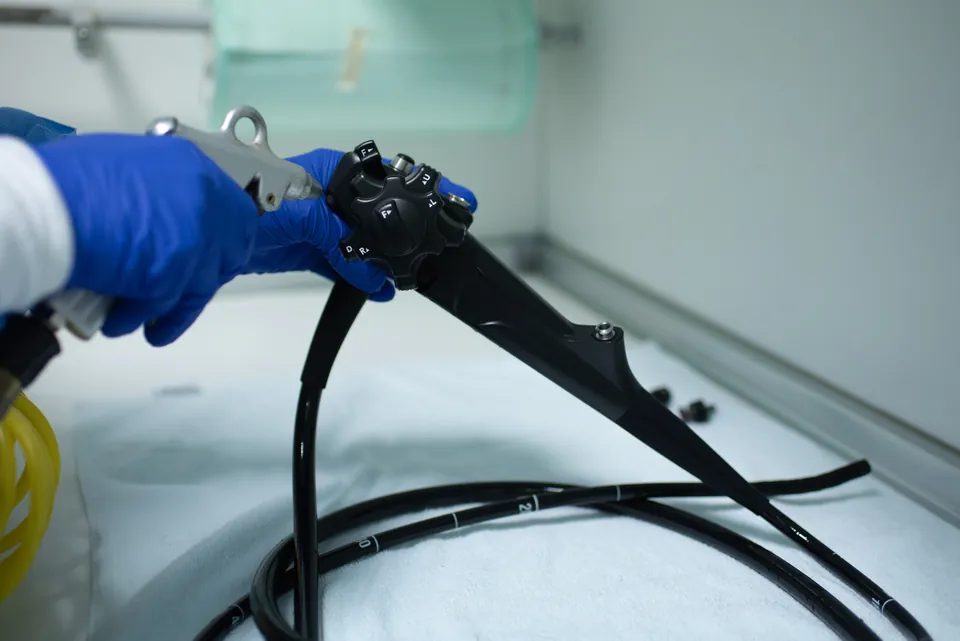
What is diagnostic hysteroscopy, when is it recommended, and how is it done in the office? Preparation, pain management, risks and recovery.
Diagnostic hysteroscopy is an examination that allows the inside of the uterine cavity to be seen directly with the help of a thin, lit camera. The instrument is passed through the vagina and cervix; no incision is made in the abdomen. In many people it can be performed in an outpatient (office) setting; in some situations it is planned in the operating theatre under anaesthesia. The information below provides a general framework and does not replace an individual assessment.
What is diagnostic hysteroscopy, and how does it differ from ultrasound?
The uterine cavity can be imaged indirectly with ultrasound; in hysteroscopy, the inner surface of the cavity is viewed directly with a camera. This makes it possible to see structural findings such as a polyp, the part of a fibroid extending into the cavity, adhesions and a septum. The purpose of the examination is to look; if treatment is needed, that is a separate decision, and it can be planned either in the same session or as a separate procedure, depending on the situation.
Is it performed in an office or an operating theatre?
Diagnostic hysteroscopy is usually performed with very thin instruments under general anaesthesia, with return home the same day. An operating theatre is preferred for longer or more difficult procedures. The appropriate setting depends on the purpose, your cervical anatomy and your preference.
When is hysteroscopy recommended?
What if you have abnormal bleeding or bleeding after menopause?
Assessment of the inside of the uterus may be needed for bleeding outside the normal menstrual pattern, heavy menstrual bleeding, or bleeding occurring after menopause. For postmenopausal bleeding, a normal smear or HPV result does not make this assessment unnecessary, because these tests do not examine the inside of the uterus. Directed sampling under direct vision, if needed, can also be planned either in the same session or separately.
What if ultrasound or imaging shows a suspicious finding inside the uterus?
If ultrasound or an X-ray of the uterus shows endometrial thickening, a polyp, or an impression of a shape abnormality in the cavity, hysteroscopy can be used to see and clarify this finding directly.
What if you are planning pregnancy, have recurrent pregnancy loss or are preparing for IVF?
The structure of the uterine cavity can be assessed in cases of difficulty conceiving, recurrent pregnancy loss, or before IVF treatment. Hysteroscopy has not been shown to increase fertility; the procedure is an assessment tool used in selected situations when justified by the doctor.
What is considered before the procedure?
The details of preparation vary according to the doctor's own standard; the general framework is as follows:
- Timing and possible pregnancy: Tell your doctor beforehand if you are pregnant or could be; timing may be adjusted to your menstrual cycle.
- Medicines and allergies: Tell your doctor about regular medicines, blood thinners, allergies and previous operations.
- Anaesthesia plan: You discuss general anaesthesia and pain relief after the procedure beforehand.
- Fasting and accompaniment: Because general anaesthesia will be used, your doctor gives instructions such as fasting and having someone with you.
How is the procedure performed?
The person lies in the gynaecological examination position. A suitable instrument is placed in the vagina and against the cervix; the thin hysteroscope is passed through the cervix and advanced into the uterine cavity. A medium (fluid or gas) is used to make the cavity visible, and the image is viewed on a screen. The procedure usually takes a short time; the duration varies according to the findings seen and the individual. The procedure is performed by Assoc. Prof. Dr. Nurettin Türktekin at Memorial Şişli Hospital.
Is there pain or discomfort during the procedure?
Because the procedure is performed under general anaesthesia, you do not feel pain during it. Pain arises from passing through the cervix, stretching the cervix and cavity, and uterine contractions. After waking, you may have cramping discomfort, nausea or temporary dizziness. The degree varies between people and even in the same person according to the difficulty of the procedure. Painkillers may be used to reduce pain afterwards.
What findings can be seen, and can samples be taken?
Depending on the findings seen, a small tissue sample may be taken from the inner surface of the uterine cavity. This sample is sent for pathology. A hysteroscopy that appears normal does not definitely rule out a serious condition in every case; for this reason, if the complaint continues, the doctor may plan further assessment.
What risks and limitations are involved?
Diagnostic hysteroscopy is a commonly performed procedure that is usually short, but it is not without risk. Possible problems are:
- Pain, cramping, weakness and a feeling of faintness
- Nausea
- Bleeding
- Infection
- Rarely, perforation of the uterine wall
A narrow cervix, a curved cervical canal, or a cavity displaced due to a fibroid are anatomical risk factors for perforation. The level of risk varies according to the setting of the procedure and the individual. The view can sometimes be inadequate (due to bleeding or narrowing); in this situation the procedure may not be completed and may need to be replanned in a different setting.
What can you expect afterwards?
Mild cramps, light spotting and mild nausea may occur afterwards and are expected symptoms. After general anaesthesia, you can usually go home following a short rest; when to return to daily activities, work and sex depends on your doctor's instructions. Additional advice may include not driving that day and having someone with you. Findings and any pathology results are assessed at follow-up.
Frequently Asked Questions
Is an abdominal incision made during hysteroscopy?
No. A thin, illuminated camera passes through the vagina and cervix into the uterine cavity; no abdominal incision is made.
Must hysteroscopy be performed in an operating theatre under anaesthesia?
It can often be performed with very thin instruments, but the procedure is performed under general anaesthesia. An operating theatre is preferred for longer or more difficult procedures.
Is hysteroscopy needed for postmenopausal bleeding if my smear or HPV result is normal?
Yes, it may be needed. Smear and HPV tests assess the cervix, not the inside of the uterus. Hysteroscopy may be needed to view the uterine cavity in postmenopausal bleeding.
Does hysteroscopy increase my chance of becoming pregnant?
No. Hysteroscopy has not been shown to improve fertility. It is a tool used in selected cases to assess the uterine cavity when planning pregnancy, with recurrent pregnancy loss or before IVF.
Can hysteroscopy be performed during a menstrual period?
In most cases, the period after menstrual bleeding has ended, when the uterine lining is thin, is more favourable for viewing; heavy bleeding can obstruct the camera's view. However, because the planned timing can vary according to the purpose, the doctor arranges the suitable day.
What can be done if I have pain after the procedure?
Because the procedure is performed under general anaesthesia, you do not feel pain during it. Discomfort after waking varies between people; telling the team is important. You can discuss painkiller options with your doctor beforehand.
What happens if a polyp is found during hysteroscopy?
If a polyp is seen, the doctor will show you the finding and explain it. If tissue is removed, it needs to be sent for pathology; if the procedure cannot be completed in the office, it may be replanned in the operating theatre setting. You can discuss with the doctor, before the procedure, when and how the removed sample will be assessed and any possible further procedure.
Is hysteroscopy performed on someone who has not had sexual intercourse?
It can be performed; however, the approach varies according to the person's situation and preference. A very fine-calibre instrument, or a procedure under anaesthesia, is sometimes preferred. This should be discussed openly with the doctor before the examination.
Is there a risk of uterine perforation during hysteroscopy?
It can occur rarely. A narrow cervix, a curved cervical canal or displacement of the cavity by a fibroid are anatomical risk factors. The degree of risk depends on the setting and your circumstances.
What happens if the view is inadequate?
Bleeding or narrowing can sometimes limit the view. The procedure may then be incomplete and may be rescheduled in another setting, such as an operating theatre.
Does a normal hysteroscopy rule out everything?
No. A normal-looking hysteroscopy does not definitively rule out serious disease in every case. If symptoms continue, your doctor may plan further investigation.
When can I return to daily activities, work or sex after the procedure?
After an office procedure, you can usually go home following a short rest. When to return to daily activities, work and sex depends on your doctor's instructions.
What should I consider on the day of the procedure?
Because general anaesthesia is used, additional advice may include not driving that day and having someone with you.
Get Your Free Consultation
Fill out the form below and our team will contact you

