


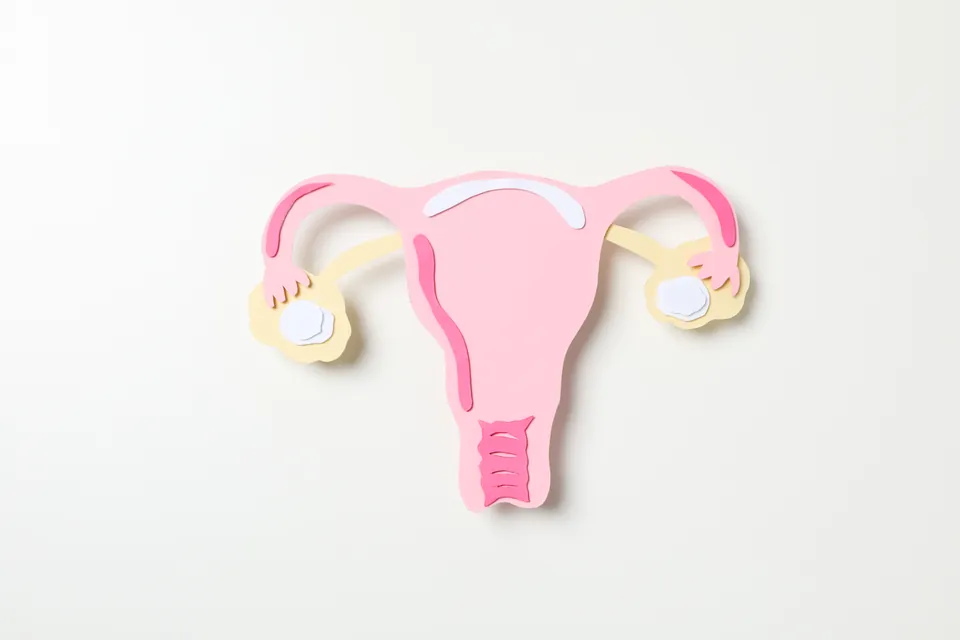
Learn about fibroid symptoms, diagnosis and treatment options, including medicines, procedures and surgery, and how pregnancy plans affect decisions.
Fibroid treatment is usually planned according to the symptoms a fibroid causes, rather than simply because a fibroid is present. A fibroid is a benign growth arising from the muscle of the uterus. Many women have no symptoms, in which case monitoring alone may be sufficient. If there are concerns such as heavy periods, pressure, pain or plans for pregnancy, medicines, interventional procedures or surgery may be considered. The choice is individualised according to symptoms, the location of the fibroid, age and pregnancy plans. This page provides general information and does not replace an individual assessment.
What is a fibroid?
A fibroid, also called a leiomyoma or uterine fibroid, is a benign tumour that develops from the muscle tissue of the uterus. It is the most common benign uterine growth and can occur in a substantial proportion of women of reproductive age. There may be one fibroid or several, and their size and location vary between individuals.
Can fibroids turn into cancer?
Fibroids are generally benign, and malignant transformation is considered very rare. However, rapid growth or new symptoms after menopause should be assessed without delay.
What types of fibroid are there according to location?
Where a fibroid sits in the uterus affects symptoms and treatment choices:
- Submucosal fibroid: grows towards or lies within the uterine cavity. It may have a more pronounced effect on bleeding and fertility.
- Intramural fibroid: lies within the uterine wall.
- Subserosal fibroid: grows towards the outer surface of the uterus. It can cause pressure symptoms and often does not affect the uterine cavity.
What symptoms can fibroids cause?
- Heavy or prolonged periods and associated anaemia
- Pressure, fullness or pain in the lower abdomen
- Frequent urination or difficulty passing urine
- No symptoms at all
Finding a fibroid on imaging does not necessarily mean it is the cause of bleeding. There may be other causes, so symptoms are assessed as a whole.
How are fibroids diagnosed?
Examination and ultrasound are the first steps. If needed, additional imaging such as MRI can show the number and location of fibroids in more detail. If a fibroid is thought to affect the uterine cavity, procedures such as hysteroscopy or sonohysterography may be requested to assess the cavity. The tests needed depend on the person's symptoms and findings.
Does every fibroid need treatment?
No. Regular monitoring is often sufficient for a fibroid that causes no symptoms. Treatment decisions are based on symptoms affecting quality of life, rather than the finding alone. If new symptoms develop during monitoring, the plan is reviewed.
How are fibroids treated?
Do medicines permanently treat fibroids?
No. Medicines generally control symptoms, particularly bleeding, or temporarily shrink fibroids. Effects are usually limited to the period of use; symptoms and fibroids may return after stopping. Medicines are therefore an option for symptom control and gaining time, rather than a permanent solution.
Some medicines that affect the hormonal system may be used for this purpose. Each has side effects, situations in which it cannot be used and limits on treatment duration. Suitability is discussed with the doctor. Medicines should not be started or stopped without medical advice.
What non-surgical interventional methods are available?
Non-surgical options include uterine artery embolisation and MRI-guided focused ultrasound. The evidence and the need for further treatment differ between procedures. A greater need for further intervention has been reported after embolisation than after hysterectomy, which removes the uterus. Further treatment may also be needed after focused ultrasound, and its effect on subsequent pregnancy is uncertain. Data on these procedures in people wishing to become pregnant are limited.
What surgical treatment options are available?
Surgical options fall into two main groups:
- Myomectomy: removes the fibroid while preserving the uterus. Depending on its location and characteristics, it may be performed hysteroscopically, laparoscopically or through open surgery.
- Hysterectomy: removes the uterus. It may be considered when pregnancy is not planned and other options are unsuitable.
Preparation, recovery and risks vary according to the procedure and the individual; these details are discussed with the doctor.
What affects treatment selection?
- The type of symptoms and their impact on everyday life
- The number, size and location of fibroids
- Age and proximity to menopause
- Pregnancy plans and preferences about keeping the uterus
- Other health conditions and suitability for surgery
Size alone does not determine treatment; symptoms and location are considered together.
How can fibroids affect pregnancy?
Most fibroids do not affect fertility. An effect is more likely with submucosal fibroids that distort the uterine cavity. Subserosal fibroids have been reported not to affect fertility, and their removal generally does not provide a benefit. Fibroids during pregnancy have, in some circumstances, been associated with preterm birth, problems with the baby's position or bleeding after birth. This information mainly comes from small retrospective studies, and it is difficult to predict whether these associations will apply to an individual. Fibroid management for people wishing to conceive is planned with the doctor.
What happens to fibroids during menopause?
Hormones play a role in fibroid growth. As hormone levels fall around menopause, fibroids often become smaller and symptoms decrease, although a fibroid may not disappear completely. New bleeding or fibroid growth after menopause requires medical assessment.
Frequently Asked Questions
Does fibroid size alone determine whether surgery is needed?
No. Symptoms, the location of the fibroid and pregnancy plans are considered together. There is no absolute size threshold; the decision is made individually with the doctor.
Can medicines shrink a fibroid?
Some medicines can temporarily shrink fibroids and reduce bleeding. Their effects are usually limited to the treatment period, and a fibroid may grow again after treatment stops. Medicines are chosen with the doctor, taking safety information into account.
Can fibroids be treated without removing the uterus?
In many cases, yes. Myomectomy, embolisation and focused ultrasound are approaches that do not remove the uterus. Suitability depends on symptoms, fibroid location and pregnancy plans; each option has its own limitations and risks.
Can a fibroid prevent pregnancy?
Most fibroids do not prevent pregnancy. Fibroids affecting the uterine cavity in particular may affect fertility. Anyone planning a pregnancy should discuss the fibroid finding with their doctor.
If a fibroid appears on imaging, must it be causing the bleeding?
No. Bleeding can have other causes. Symptoms and findings are assessed together, and further tests may be requested.
Can fibroids return after surgery?
New fibroids can develop after myomectomy, and some people may need further treatment. How this possibility varies between individuals should be discussed with the doctor.
Do fibroids always cause symptoms?
No. Many cause no symptoms and are found incidentally. Symptomatic fibroids may cause heavy or prolonged periods, lower abdominal pressure or pain and frequent urination.
Does fibroid type affect treatment selection?
Yes. Growth into the cavity (submucosal), within the wall (intramural) or towards the outer surface (subserosal) affects symptoms and treatment. Submucosal fibroids may have a greater effect on bleeding and fertility.
What investigations are used to diagnose fibroids?
Examination and ultrasound come first. MRI or other imaging, hysteroscopy or sonohysterography may be requested if needed. Selection depends on symptoms and findings.
Are embolisation or focused ultrasound as effective as surgery?
Evidence and further-treatment needs differ. Embolisation may require additional intervention more often than hysterectomy; focused ultrasound may also need further treatment, and effects on later pregnancy are uncertain. Data in people wishing to conceive are limited.
Is fibroid growth after menopause normal?
No. This needs medical assessment. Falling hormones usually shrink fibroids and reduce symptoms; new bleeding or fibroid growth after menopause is not expected.
Do fibroids definitely cause problems during pregnancy?
No. Most fibroids do not affect fertility. Associations with preterm birth, fetal position problems or bleeding after birth have been reported, mainly in small retrospective studies. Predicting whether these will affect you is difficult.
Get Your Free Consultation
Fill out the form below and our team will contact you

