


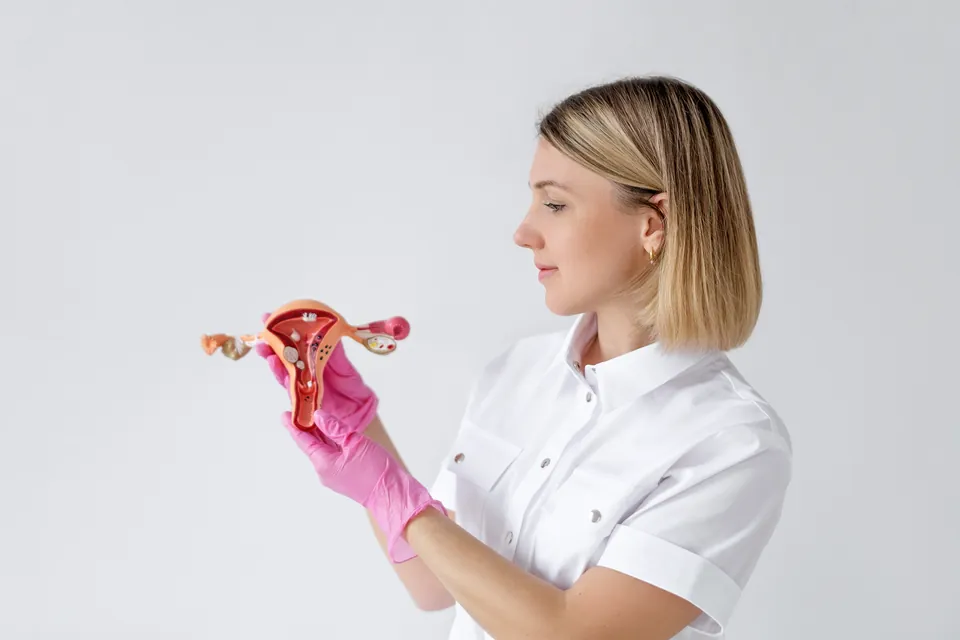
Learn about adenomyosis, heavy periods and pelvic pain, diagnosis, medicines and surgery, pregnancy plans, menopause and when to see a doctor.
Adenomyosis means tissue similar to the womb lining being present within the uterine muscle. Some people have no symptoms; others have heavy or prolonged periods, severe period pain and pelvic pain. Diagnostic methods and treatment options vary with symptom severity, age and pregnancy plans. Terminology and diagnostic criteria in this field are not yet fully established in the literature. The information below offers a general overview and does not replace an individual diagnosis or treatment advice.
What is adenomyosis?
The uterine wall has three layers. The innermost is the endometrium, which thickens and is shed with the menstrual cycle. Beneath it is the uterine muscle (myometrium). In adenomyosis, glandular and supporting tissue similar to the endometrium is present within this muscle. It may be widespread or concentrated in a particular area, and the womb may sometimes enlarge.
Adenomyosis is related to endometriosis but is not the same condition. Endometriosis occurs in tissues outside the womb, whereas adenomyosis is within the uterine muscle. A fibroid is a benign growth arising from the uterine muscle. Although its symptoms can resemble those of adenomyosis, it is a different condition.
What symptoms can adenomyosis cause?
Symptoms vary considerably between individuals. The main ones are:
- Heavy or prolonged menstrual bleeding
- Severe period pain (dysmenorrhoea)
- Pelvic pain or pressure that also persists outside periods
- Pain during sex
- Weakness and symptoms of anaemia related to heavy bleeding
Some people have no symptoms, and the condition is noticed during imaging for another reason. These symptoms also occur with other uterine and ovarian problems, so they do not establish a diagnosis of adenomyosis on their own.
How is it diagnosed?
Assessment begins with a detailed history and gynaecological examination. Transvaginal ultrasound is usually the first-line imaging method. Findings such as small cystic areas in the uterine muscle, irregular muscle structure or asymmetry of the uterine wall may suggest adenomyosis. Magnetic resonance imaging (MRI) can provide more detail but is not needed for everyone.
Not seeing adenomyosis on ultrasound may not mean that it is absent, as results can vary with the operator and equipment. Conversely, not every change in the appearance of uterine muscle is adenomyosis: similar-looking conditions such as fibroids need to be distinguished. Traditionally, diagnosis relies on pathology examination of surgically removed uterine tissue. Today, treatment is usually planned by considering imaging and symptoms together. Other causes of bleeding, such as polyps, fibroids and hormonal causes, also need to be ruled out.
What treatment options are available for adenomyosis?
There is no single standard treatment. The main factors are symptom severity, age, pregnancy wishes and the effect on quality of life. Scientific evidence is limited, particularly for comparative studies specific to adenomyosis, so treatment mainly focuses on symptom management.
Which medicines are used for pain and bleeding?
Non-steroidal anti-inflammatory drugs (painkillers) may be used for period pain. They may be unsuitable for people with stomach, kidney or bleeding problems and should be used with advice from a doctor or pharmacist. Different medicines to reduce heavy bleeding may also be considered individually.
How are hormonal methods used?
Hormonal treatments are used to ease menstrual bleeding and pain. They include contraceptive pills, progesterone-group medicines and hormonal systems placed inside the womb. Medicines that temporarily suppress ovarian hormones may also be used in some situations. These require attention to menopause-like side effects and bone health with long-term use. Hormonal methods may help control symptoms, but symptoms can return when medication stops. The doctor decides which method is suitable, with pregnancy plans shaping the options.
What surgical options are available?
Surgery is considered for heavy bleeding or pain that medicines cannot control. Complete removal of the womb (hysterectomy) permanently resolves symptoms, but is unsuitable for people wishing to become pregnant, and the decision is individual. Uterus-preserving operations to remove affected tissue have also been described for people who want pregnancy and wish to retain their womb. Evidence is limited, however, and risks involving the uterine wall during pregnancy remain debated. Other methods, such as blocking uterine blood vessels or focused energy applications, are being studied. None has been proven superior to the others. Benefits, risks and alternatives should be discussed in detail with the doctor before a surgical decision.
Can adenomyosis affect conception?
Adenomyosis, particularly its focal forms, has been associated with difficulty conceiving and miscarriage. However, this association relies on observational studies, and findings conflict. Not everyone with adenomyosis has difficulty conceiving, and many can become pregnant. For people planning pregnancy, the treatment approach is assessed alongside factors such as disease extent, age and ovarian reserve.
How is follow-up arranged during and after menopause?
The course of symptoms approaching and after menopause varies between individuals. Follow-up is planned according to symptoms, including review for anaemia caused by heavy bleeding. New bleeding after menopause needs assessment rather than being attributed to adenomyosis. A normal smear or HPV result does not remove the need to assess the womb lining.
Frequently Asked Questions
Can adenomyosis turn into cancer?
There is no strong evidence showing that adenomyosis turns into cancer. Heavy or irregular bleeding can also have other causes, so these symptoms should always be assessed.
Can adenomyosis and fibroids occur together?
Yes, both can occur in the same person. As their symptoms may be similar, the doctor uses imaging findings to assess how much each contributes. This distinction may affect treatment choice.
Is heavy menstrual bleeding always caused by adenomyosis?
No. Current medical classification of abnormal uterine bleeding includes adenomyosis among structural causes. It also lists polyps, fibroids, ovulatory disorders, clotting problems and causes involving the womb lining. Heavy bleeding therefore needs separate investigation of its cause.
Is MRI always needed to diagnose adenomyosis?
No. Transvaginal ultrasound is usually the first imaging test. MRI can provide more detail but is not needed for everyone.
Does a normal ultrasound mean I do not have adenomyosis?
No. Not seeing adenomyosis does not necessarily exclude it; ultrasound findings may vary by operator and equipment. Conversely, not every change in uterine muscle appearance is adenomyosis; similar findings such as fibroids need distinguishing.
Is surgery needed to diagnose adenomyosis?
No. Diagnosis traditionally relied on pathology examination of a surgically removed uterus, but treatment is now usually planned by assessing imaging and symptoms together.
Do hormonal treatments permanently remove adenomyosis?
No. They may help control symptoms, but symptoms may return after stopping treatment.
Is hysterectomy the only surgical option?
No. Uterus-preserving surgery to remove affected tissue has been described for people wishing to conceive and retain their uterus, but evidence is limited.
Does everyone with adenomyosis struggle to conceive?
No. Many people can become pregnant. Associations with difficulty conceiving and miscarriage come from observational studies, with conflicting results.
Should bleeding after menopause be attributed directly to adenomyosis?
No. New bleeding after menopause needs assessment rather than attribution to adenomyosis. A normal smear or HPV result does not remove the need to assess the endometrium.
Get Your Free Consultation
Fill out the form below and our team will contact you

