


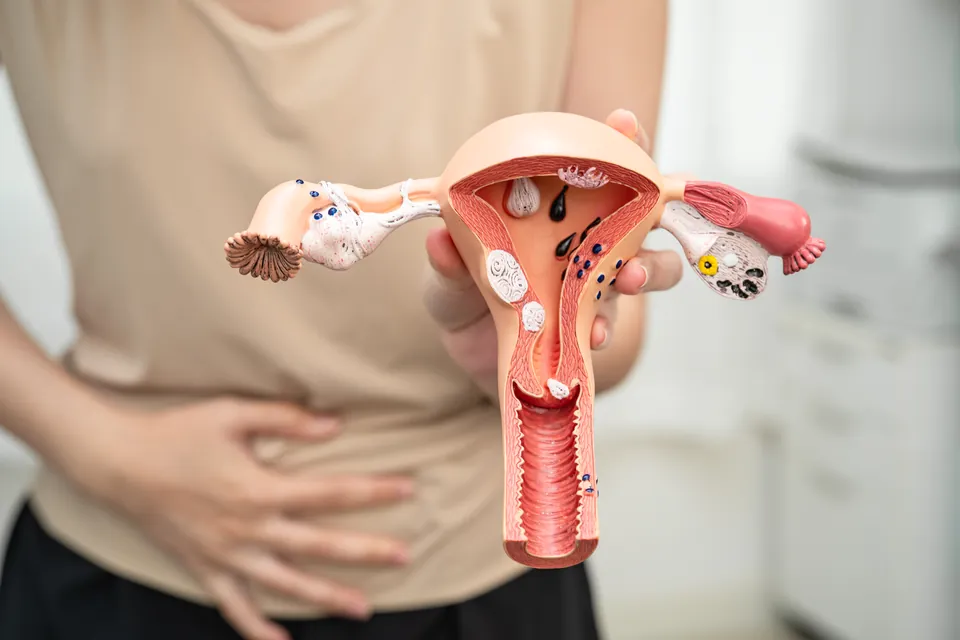
What are fallopian tube disorders? Causes, symptoms, diagnosis and the treatment framework for tubal blockage, hydrosalpinx and infection-related damage.
Fallopian tube disorders cover various conditions in which the tubes connecting the ovary to the uterus become blocked, kinked by adhesions, filled with fluid, infected, or the site of an implanted pregnancy. Tubal problems often cause no symptoms; they are noticed when pregnancy does not occur or during imaging. Tubal problems are one of the important causes of difficulty conceiving. The information below provides a general framework and does not replace an individual diagnosis or treatment recommendation.
What do the fallopian tubes do?
The fallopian tubes capture the egg released from the ovary, allow it to meet the sperm, and carry the fertilised egg to the uterus. For this reason, the tube being open and healthy is necessary for natural conception; damage to the tube can disrupt this chain.
What are the tubal disorders?
How do tubal blockage and adhesions develop?
A tube can be blocked at one or both ends; adhesions around it can also prevent the tube from making contact with the ovary and moving normally. The location and degree of the blockage affects the likelihood of pregnancy. Adhesions can form after a previous infection, endometriosis or abdominal surgery.
What is hydrosalpinx, or fluid in a fallopian tube?
Hydrosalpinx is a swollen appearance of the tube caused by blockage at its end and the accumulation of fluid inside it. It is usually the result of a previous infection or adhesions. Hydrosalpinx can reduce the success of IVF. Removing the tube before IVF in people with hydrosalpinx can increase the likelihood of pregnancy; this decision is made with the doctor according to the individual.
How can salpingitis damage the tubes?
Infection of the uterus and tubes can leave permanent damage to the inner surface of the tube. Even mild or symptomless pelvic infections can increase the later risk of tubal infertility and ectopic pregnancy; a delay in treatment can increase this risk further.
Why are ectopic pregnancy and tubal torsion emergencies?
Most ectopic pregnancies implant in the fallopian tube, and tubal damage is among the factors that increase this risk. Ectopic pregnancy is an emergency that can lead to rupture of the tube and internal bleeding. Tubal torsion, in which the tube (often together with the ovary) twists on itself, is also a condition that can cause sudden, severe abdominal pain and requires urgent treatment.
What causes tubal disease, and what are its risk factors?
Among the most common causes of tubal damage are previous pelvic infection, endometriosis, and abdominal or pelvic surgery. Having had a previous ectopic pregnancy and an untreated sexually transmitted infection also pose a risk. For this reason, a detailed history is taken from a person with a tubal problem; this history is not a judgement but information that guides the diagnosis.
What symptoms can tubal disease cause?
Tubal blockage causes no symptoms in most cases. The person usually learns about it when they have difficulty conceiving or during imaging carried out for another reason. With hydrosalpinx and infection, pain in the lower abdomen or groin, discharge, and pain during sex can occur.
How is it diagnosed?
Tubal patency and condition are assessed with several methods:
- HSG (hysterosalpingogram): contrast medium given through the cervix is tracked by X-ray as it passes through the uterus and tubes. This is a diagnostic method that shows tubal patency.
- Ultrasound: fluid-filled, swollen tubes such as a hydrosalpinx can be seen on transvaginal ultrasound; contrast-enhanced ultrasound methods can also be used to show tubal patency.
- Laparoscopy: a camera is used to look inside the abdomen, allowing direct assessment of the outer appearance of the tubes and any surrounding adhesions.
Which method is chosen is determined with the doctor according to the person's history, symptoms and pregnancy plans.
How is tubal disease treated?
Does every tubal problem need immediate treatment?
If the tubal problem causes no symptoms and the person is not planning a pregnancy, immediate intervention may not always be necessary. In people wishing to conceive, the choice of treatment is made by assessing the condition of the tube, age and other causes of infertility together.
What surgical options are available?
Surgery can aim to open a blockage, divide adhesions, or remove a damaged tube. With hydrosalpinx, removing or blocking the tube before IVF is among the options considered. The evidence available suggests that removing a tube affected by hydrosalpinx before IVF probably increases the chance of clinical pregnancy; tubal occlusion may also be beneficial, but this finding is based on low-quality evidence and a clear difference between the two methods has not been shown. The evidence on the effect of salpingectomy on ovarian reserve is not clear. Which procedure is suitable is determined by the doctor according to the individual.
When is IVF considered?
IVF is considered in situations where the tube is blocked or damaged and surgery is seen as unlikely to help, together with other causes of infertility or factors such as age. If hydrosalpinx is present, how this fluid will be managed before IVF is planned separately.
Frequently Asked Questions
Does tubal blockage always cause symptoms?
No. It often causes no symptoms and is found when conception is difficult or imaging is performed for another reason.
Can you conceive with only one tube?
If a single tube is open and healthy, natural conception is possible. The likelihood varies according to the condition of the tube and whether other causes of infertility are present.
I have had an ectopic pregnancy before - can I conceive again?
Many people can conceive again afterwards; however, a previous ectopic pregnancy is associated with an increased risk of a new ectopic pregnancy. For this reason, in subsequent pregnancies, seeking care early when the pregnancy test is positive and confirming the location of the pregnancy with ultrasound is important.
Does hydrosalpinx cause pain?
Hydrosalpinx causes no symptoms in most people and may be found during a fertility investigation or incidentally. If pain is present, other conditions such as infection, adhesions or torsion are also considered.
Can hydrosalpinx affect IVF success?
Yes, it may reduce it. Removing the affected tube before IVF may therefore improve pregnancy chances; decide with your doctor according to your circumstances.
Does hydrosalpinx mean my tube should be removed before IVF?
This is an individual decision with your doctor. Removal before IVF probably improves clinical pregnancy chances; blocking the tube may also help. However, evidence is limited and low quality, with no clear difference between the methods.
Can pelvic infection without symptoms damage the tubes?
Yes. Even mild or symptom-free infection can increase later tubal infertility and ectopic pregnancy risk. Delayed treatment may increase this risk further.
Is tubal torsion an emergency?
Yes. The tube, often with the ovary, twists on itself. It may cause sudden severe abdominal pain and requires emergency intervention.
Does an HSG open the tubes?
Its purpose is diagnostic: to see whether the tube is open. If a blockage is found, how it will be managed is planned separately. In some cases, an increase in the likelihood of pregnancy has been reported depending on the contrast medium used, but this evidence is limited; whether it is used is decided by the doctor.
Does salpingectomy reduce ovarian reserve?
Evidence on the effect of complete tube removal on ovarian reserve remains inconclusive.
Does every tubal problem need immediate treatment?
No. Immediate intervention may be unnecessary without symptoms or pregnancy plans. For those wishing to conceive, selection considers tubal condition, age and other infertility causes together.
Is IVF the first option for everyone with tubal disease?
No. It is considered for blocked or damaged tubes when surgery is unlikely to help, or with other infertility causes or factors such as age.
Get Your Free Consultation
Fill out the form below and our team will contact you

