


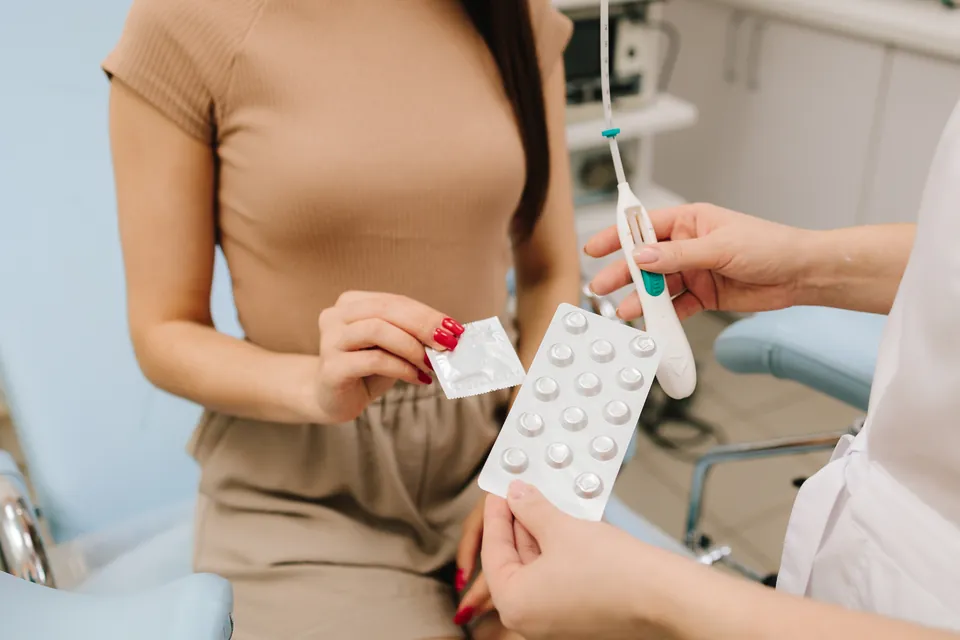
Learn about emergency contraception after unprotected sex, available methods, timing, side effects and follow-up within the Turkish healthcare setting.
Timing matters. Emergency contraception is more effective the sooner it starts after unprotected intercourse or contraceptive failure. Options may still be assessed after a delay; consult a pharmacist, doctor or healthcare facility without delay. If you have experienced sexual assault or forced intercourse, call 112 without delay or go to the nearest emergency department; you can contact the ALO 183 Social Support Line for support.
Emergency contraception refers to methods used to prevent pregnancy after unprotected intercourse or contraceptive failure, such as a broken condom or a missed contraceptive pill. It is commonly known as the morning-after pill. It is not a regular contraceptive method and may not work in every situation. The following information provides an overview; consult a pharmacist or doctor about medicine selection and use.
What is emergency contraception, and what is it not?
Current medical guidance explains that emergency contraceptive methods work by preventing or delaying ovulation, while a copper IUD prevents fertilisation. They do not end an established pregnancy and are not abortion pills. They do not protect against sexually transmitted infections. There is no guarantee that they will always work; no method offers complete protection.
When is emergency contraception considered?
- After intercourse without contraception
- When a condom breaks or slips
- When a method such as a pill, patch or ring has not been used consistently
- After sexual assault or forced intercourse, following the advice above
Which methods are used for emergency contraception?
Emergency contraceptive pills are available through a doctor or pharmacist. The medicine, dose and instructions are determined by the pharmacist or doctor; do not change medicines or doses yourself. Ask about access arrangements in Türkiye, such as prescription requirements.
Current medical guidance identifies the copper intrauterine device as the most effective emergency contraceptive method, which may remain for ongoing contraception. Insertion requires assessment at a healthcare facility. It is not used for emergency contraception after sexual assault or during pregnancy; a very high infection risk may require testing and treatment beforehand.
How soon should you seek advice?
Emergency contraception should start as soon as possible after unprotected intercourse. Pill methods can be used in the first few days, but effectiveness declines with time. Products may differ in effectiveness after the first days, so ask a pharmacist or doctor about options even after a delay. The copper coil also has a limited time window; contact a healthcare facility without delay. Do not assume it is too late for anything to help.
What affects the effectiveness of emergency contraception?
- Timing: the sooner it starts, the more effective it is.
- Body weight: current guidance notes that some pills may be less effective with a higher body mass index; this is not a safety concern and does not prevent access.
- Other medicines: some medicines may reduce effectiveness; tell your pharmacist or doctor about regular medicines.
- Vomiting: if you vomit soon after taking a pill, ask whether the dose needs repeating.
What side effects may occur, and when should you seek medical advice?
Nausea, vomiting, tiredness, headache, cramps and an earlier or later next period may occur. Most effects are mild and settle by themselves. Take a pregnancy test and tell your doctor if your expected period is late or bleeding differs from your usual period. Do not wait for an appointment if pain accompanies the delay.
Emergency contraception does not protect during subsequent intercourse. Ask a pharmacist or doctor about an ongoing method; when to start depends on the emergency method used.
Where should you seek emergency contraception?
Explaining when intercourse took place, medicines, long-term conditions and the date of the last period helps assessment. Be sure to mention if you think you could be pregnant.
What should you do after sexual assault?
Sexual assault is not the person's fault. You can contact the ALO 183 Social Support Line for support. The healthcare facility assesses pregnancy and infection concerns.
Frequently Asked Questions
Is the morning-after pill an abortion pill?
No. Emergency contraception prevents or delays ovulation; it does not end an established pregnancy.
Can emergency contraception still work after a long delay?
Effectiveness declines with time, but do not assume it is too late for anything to help. Options can still be assessed after a delay; consult a pharmacist or doctor without delay.
Can emergency contraception replace regular contraception?
No. It does not provide ongoing protection, and frequent use may cause irregular periods. Discuss a more suitable ongoing method if you need it frequently.
Does emergency contraception protect against sexually transmitted infections?
No. It aims only to prevent pregnancy and does not protect against sexually transmitted infections.
Can I adjust the dose myself?
No. The pharmacist or doctor determines the dose and instructions; do not change them yourself.
Is frequent emergency contraception harmful, or can it affect fertility?
Current medical guidance indicates no medical restriction on emergency contraceptive pill use, no known health risk reported and no harm to future fertility. Frequent use may cause irregular periods. As it does not replace ongoing contraception, switching to a regular method is recommended if needed frequently.
Does emergency contraception work or cause harm if pregnancy is already present?
Emergency contraception aims to prevent or delay ovulation and does not end an established pregnancy, so using it when already pregnant has no benefit. Be sure to tell the pharmacist or doctor if pregnancy is possible.
Does higher body weight mean emergency contraception will not work?
Not necessarily, although current guidance notes reduced effectiveness of some pills with a higher body mass index. This is not a safety concern or a barrier to access; a pharmacist or doctor determines the appropriate option.
What should I do if I vomit after taking the pill?
Ask a pharmacist or doctor whether the dose needs repeating if you vomit soon after taking it.
Can everyone have a copper coil for emergency contraception?
No. It is not used for this purpose after sexual assault or during pregnancy; a very high infection risk may require testing and treatment beforehand.
When can I start regular contraception afterwards?
Timing depends on the emergency method used. Current guidance notes that starting certain hormonal methods immediately after some emergency pills may reduce their effectiveness; a pharmacist or doctor determines when to start and what additional protection is needed. Take a pregnancy test if your expected period is late.
Get Your Free Consultation
Fill out the form below and our team will contact you

