


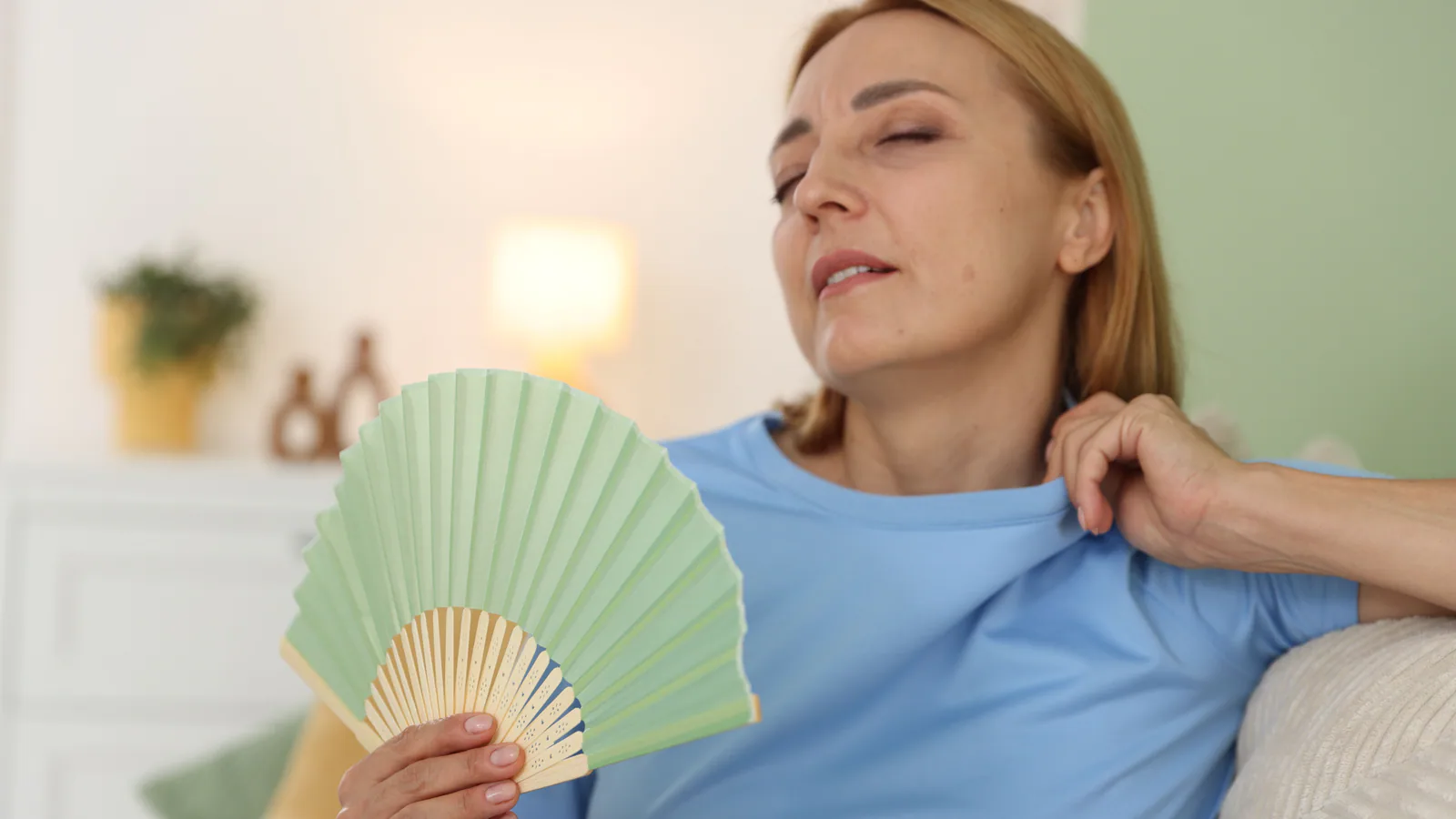
At what stage do perimenopausal symptoms appear, and how many years do they last? Learn the timeline of early and late stages and how they differ from similar diseases.
At what stage do perimenopausal symptoms appear, and how many years do they last? Learn the timeline of early and late stages and how they differ from similar diseases.
Short Answer
The duration of perimenopause is often described as about four years; however, it varies significantly from person to person. In early menopause, the intervals between menstrual cycles begin to differ; In late transition, period-free intervals of 60 days or longer may be observed. Hot flashes and night sweats can continue even after menopause. Menopause is defined retroactively when menstruation is not seen for 12 months without any other reason; Assessment differs between hormonal contraceptive users and patients under 40 years old.
Key Facts
- Perimenopause is the transitional period before menopause and begins in the 40s for most women.
- The period lasts on average four years, but the individual difference is very significant.
- In the early stage, the first sign is usually a change in the length of the menstrual cycle.
- In the late stage, periods can be skipped for at least 60 days, and hot flashes become more frequent.
- In a longitudinal study of hot flashes and night sweats, the total median duration was found to be approximately 7.4 years; This duration is not a personal estimate.
- The duration and severity of symptoms vary greatly from person to person.
- Keeping a symptom diary clarifies the picture before going to the doctor.
- Thyroid diseases, anemia, and depression can cause complaints similar to perimenopause.
- Menopause begins after perimenopause ends: 12 months should pass after the last menstruation.
What Are the Stages of Perimenopause? (Early and Late Perimenopause)
In early perimenopause, the length of the menstrual cycle begins to change. The repetition of at least a seven-day difference between consecutive menstrual cycles is one of the signs of this period. This does not mean that only a single two-day cycle of 28 and 35 days will determine the exact phase. Age and bleeding history are evaluated together.
In late menopause, periods of at least 60 days without periods can be observed. Symptoms may increase during this period, but the same sequence does not follow in every patient. Menopause is defined retroactively 12 months after the last natural menstrual period.
In What Order Do Perimenopausal Symptoms Begin?
Symptoms do not have to follow a specific sequence. Changes in menstrual patterns are often the first noticed sign; hot flashes, sleep problems, and mood symptoms may start earlier or later.
Vaginal dryness, discomfort during sexual intercourse, and urinary complaints may begin during or after menopause; If left untreated, it may not always resolve on its own. The same sequence of symptoms is not expected in every patient.
What Happens in the Early Years of Early Perimenopause?
In the early stages, some women only notice menstrual irregularities. Cycles may shorten slightly, premenstrual complaints may increase, and breast tenderness and restlessness may become more pronounced. During this period, ovulation still continues but becomes irregular.
Many women attribute these changes to stress or a busy pace. This is natural because the symptoms are mild and vague. The distinguishing feature of the period is that changes continue over time. A new menstrual irregularity lasting for months is a sign worth considering.
Why Do Symptoms Intensify in Late Perimenopause?
In the late stage, the ovaries produce fewer eggs and estrogen levels become highly volatile. Sudden drops in estrogen affect the brain's heat regulation center, causing hot flashes. Therefore, hot flashes and night sweats are more frequent and severe during this stage.
Periods may come with long intervals and the amount of bleeding can vary. However, excessive, prolonged, intermittent bleeding, or post-intercourse bleeding should not be attributed solely to hormonal fluctuations; Depending on age and risk factors, the uterine lining may need to be evaluated.
How long does each symptom last? (hot flashes, sleep, period)
Menstrual irregularities can vary throughout menopause. In a long-term women's health study, the median median median duration of vasomotor symptoms was reported in women experiencing frequent/annoying hot flashes and night sweats, which is approximately 7.4 years. This figure is not the same measurement as the average duration of perimenopause.
The durations of sleep, mood, hot flashes, and night sweats differ from each other. Vaginal and urinary tract complaints can continue even after menopause. Each symptom should be evaluated separately, and accompanying diseases should be reviewed.
How Many Years Do Hot Flashes Last?
In a large study that followed women for many years, the median duration of frequent hot flashes and night sweats was found to be approximately 7.4 years. Symptoms that start early may last longer. This value is not a fixed period or a standalone average for all women after menopause.
These durations are average, and individual differences are significant. Some women never experience hot flashes, while others experience symptoms severe enough to affect their daily lives for several years. Since the duration can be long, it is important to discuss treatment options with your doctor for symptoms that impair quality of life.
Why Do Symptoms Last Longer in Some Women?
Several factors affecting the duration of symptoms are known. Early onset of symptoms can prolong the duration. Smoking, a high body mass index, and high stress levels have also been linked to more severe or prolonged hot flashes. Ethnic origin and genetic factors can also play a role.
This information is important not to create guilt but to recognize controllable factors. Quitting smoking and maintaining a healthy weight can help alleviate symptoms but does not always guarantee shortening the duration.
Does Menopause Start When Perimenopausal Symptoms End?
Natural menopause is defined retroactively when menstruation is not seen for 12 months without any other reason. This simple criterion alone may not be sufficient for hormonal contraception, hysterectomy, or suspicion of ovarian function loss before the age of 40.
Entering menopause does not mean that symptoms end immediately. Hot flashes, vaginal dryness, and sleep problems can continue even after menopause. Therefore, the end of perimenopause and the end of symptoms may not coincide with the same time point.
How to Monitor Perimenopausal Symptoms with a Diary?
A simple symptom diary allows you to see your own picture and provide clear information to your doctor. You can note in the diary the start and end dates of menstruation, the intensity of bleeding (how many pads), the number and severity of hot flashes, night sweats, sleep quality, mood, headache, and other complaints.
A diary kept for several months reveals the pattern: Are the symptoms related to the menstrual cycle or continuous? During which periods does it increase? This information facilitates the doctor's diagnosis and treatment decisions. Taking notes on the phone or using a simple chart is enough.
Can These Symptoms in the 40s Mimic Other Diseases?
Yes. The symptoms of perimenopause may overlap with signs of other health problems. If the thyroid gland is overactive or underactive, palpitations, sweating, weight changes, menstrual irregularities, and mood swings may occur. Anemia causes weakness and palpitations. Depression and anxiety lead to sleep and mood problems.
Not every hot flashes or irregular menstruation should automatically be linked to perimenopause. When necessary, simple tests such as thyroid functions, blood count, and pregnancy test clarify the evaluation.
How Are Thyroid, Anemia, and Depression Separated from Perimenopause?
Differentiation is made through clinical evaluation and simple blood tests. In thyroid disease, TSH and thyroid hormones are measured. Hemoglobin and iron levels are checked in anemia. If depression is considered, mood and daily functioning are questioned.
Also, a single FSH measurement during perimenopause is usually not diagnostic because hormone levels fluctuate from day to day. Diagnosis mostly depends on age, menstrual history, and symptoms. A detailed evaluation is made in suspicious cases and symptoms starting before the age of 40.
In Which Cases Do Perimenopausal Symptoms Require Seeing a Doctor?
Heavy bleeding enough to fill the pad/tampon, fainting, or significant weakness may require urgent evaluation. Any bleeding between the two should also be investigated, including post-intercourse bleeding, prolonged bleeding, and postmenopausal bleeding. Especially in abnormal uterine bleeding cases aged 45 and over, taking a sample from the uterine lining may be considered depending on the clinical condition.
There are also treatment options for hot flashes, insomnia, mood swings, and pain during intercourse that disrupt daily life. You don't have to patiently endure the symptoms. For more detailed information about menstrual irregularity, you can refer to the article on menstrual irregularities and hormonal disorders.
How Does Menstrual Bleeding Vary According to Stages?
In the early stage, bleeding usually appears regular, but the cycle may shorten or lengthen. Some women notice that their periods become more frequent, while others notice them becoming less frequent. The amount of bleeding can also vary.
Heavy bleeding may occur after a long interval between periods; However, it is not correct to automatically explain this as "the uterine lining has thickened." Polyps, fibroids, endometrial hyperplasia, and other causes should be excluded through clinical evaluation. In addition to ultrasound, some patients need to take a sample from the inner lining of the uterus.
How Do Mood and Mental Symptoms Progress?
Mood swings, anxiety, restlessness, and depressive mood are common during perimenopause. Fluctuations in estrogen levels and sleep disorders can increase them. Women who have previously experienced depression or premenstrual mood problems are at higher risk.
Complaints such as distraction and difficulty finding words called "brain fog" are also reported. These are usually temporary and tend to improve after menopause. Still, psychological symptoms that disrupt daily life should not be underestimated, and professional support should be sought.
Why Are Bone and Heart Health Important in Perimenopause?
Estrogen is a hormone that protects bones and blood vessels. Bone loss may accelerate near menopause. It is important to pay attention to calcium and vitamin D intake, regular load-bearing exercise, and avoiding smoking.
Cardiovascular risk also increases after menopause. Cholesterol, blood pressure, and blood sugar checks should be done regularly. Although the symptoms may seem temporary, this period is a good opportunity to plan for long-term health.
Prevention and Pregnancy Risk During Perimenopause
Although ovulation becomes irregular during perimenopause, pregnancy is possible. Hormone therapy does not prevent pregnancy. When to stop protection should be planned according to age, method used, and individual situation.
For women who want to conceive, the chance decreases with age. This topic is discussed in detail in the article 'Is It Possible to Get Pregnant During Perimenopause?'
When Are Hormone Tests Effective?
In women aged 45 and over with typical symptoms, diagnosis is mostly clinical; routine FSH measurement is usually not necessary. Early menopause between ages 40–45 and the possibility of primary ovarian failure under 40 should also be investigated. Hormonal contraception can make interpreting the results more difficult.
Since FSH and estradiol fluctuate, a single measurement can be misleading. Thyroid tests, blood counts, and pregnancy tests are often the more informative first steps. Tests support the diagnosis but do not replace clinical evaluation.
How is symptom severity measured?
Questionnaires like the Menopause Assessment Scale can be used to objectively monitor symptom severity. In these surveys, areas such as hot flashes, sleep, mood, sexual function, and joint pain are scored.
At home, a simple approach is enough: score each symptom from one to ten and look at the weekly average. Seeing increases or decreases over time makes it easier to assess both the treatment decision and the effect of the treatment.
How Communication with Your Environment and Work Life Are Affected?
Symptoms of perimenopause can affect work efficiency, relationships, and self-confidence. Insomnia, difficulty concentrating, and sudden hot flashes can cause discomfort at work. Many women prefer to take these quietly.
Explaining the situation to your partner and close circle provides understanding and support. Cooling the workplace environment, dressing in layers, and taking breaks are practical solutions. If symptoms seriously impair work and quality of life, do not hesitate to discuss treatment options with your doctor.
Are Joint Pains, Skin and Hair Changes Related to Perimenopause?
Many women complain of joint and muscle pain during perimenopause. Decreased estrogen can affect connective tissue and the tissues around the joint. Dry skin, thinning hair, and nail brittleness are also frequently reported complaints during this period.
These symptoms alone do not prove perimenopause, as joint diseases and thyroid problems can also present a similar picture. If the pain is severe, and there is swelling or redness in the joint, it should be evaluated separately. In mild cases, regular exercise, adequate protein intake, and moisturizing the skin help.
How Do Bladder and Urinary Tract Symptoms Change by Stage?
Vaginal and urinary tract complaints associated with menopause; Vaginal dryness can lead to burning, pain during intercourse, urinary retention, and some urinary tract complaints. Not every urinary incontinence can be explained solely by estrogen deficiency; The pelvic floor and other causes should be evaluated.
Pelvic floor exercises, adequate fluid intake, and topical estrogen therapy if necessary can alleviate these symptoms. For more detailed information about urinary incontinence, you can refer to the article on the causes and treatment of urinary incontinence in women.
What Can Be Done in the Short Term to Alleviate Symptoms?
Layering clothes, keeping the environment cool, and tracking personal triggers can provide comfort; however, evidence for their ability to treat hot flashes is limited. Regular exercise, quitting smoking, and a sleep routine support overall health. Moisturizers or lubricants can be used for vaginal dryness.
For moderate to severe hot flashes and night sweats, menopausal hormone therapy is one of the most effective options. In patients with uterus, progesterone-like hormones are added alongside systemic estrogen to protect the endometrium. In patients who cannot or do not want to use hormones, certain SSRI/SNRI drugs, gabapentin, and other evidence-based options based on accessibility may be considered. Treatment; It is personalized according to age, last menstrual time, thrombosis, cancer, bleeding, and cardiovascular risks.
Why Do Sleep Problems Begin in Perimenopause and How Long Do They Last?
Sleep problems can develop due to night sweats or may arise from insomnia, anxiety, depression, or sleep apnea independent of it. It is not correct to cite the drop in estrogen and progesterone as the sole cause.
As hot flashes and night sweats decrease, sleep usually improves. During this process, regular sleep schedules help keep the bedroom cool, avoid caffeine and alcohol in the evening, and reduce screen time. If the problem lasts for months, other causes such as sleep apnea and depression should also be investigated.
How Does Sexual Life Change According to Stages?
There may be no significant change in sexual desire in the early stages. In late stages and after menopause, vaginal dryness, pain during intercourse, and decreased desire are common. These symptoms result from the effect of estrogen deficiency on tissues and tend to increase over time if left untreated.
Vaginal moisturizers and lubricants during intercourse may be the first choice; In cases of ongoing symptoms, low-dose vaginal estrogen may be evaluated in suitable patients. These complaints are not the same as vaginismus; Therefore, instead of linking to the article on vaginismus, a link on vaginal dryness/vaginal and urinary tract complaints during menopause should be preferred.
Do Weight Gain and Body Fat Distribution Change?
Many women notice that they gain weight during perimenopause and that fat accumulates in the abdominal area. Age-related slowing of metabolism, muscle loss, and hormonal changes play a role in this. Insomnia and stress also negatively affect appetite and weight control.
Weight gain is not inevitable. Regular exercise, especially resistance training, adequate protein, and balanced nutrition help keep it under control. Instead of short-term and overly restrictive diets, establishing sustainable habits is more effective.
Expectations for Perimenopausal Symptoms by Age Range
Perimenopause begins in most women in their mid-40s. Symptoms and menstrual irregularities starting before the age of 40 suggest conditions such as premature ovarian failure and require detailed evaluation. As you approach your 50s, symptoms mostly point to a late stage.
Age is a clue but not a definitive ruling. Two women of the same age can be at very different stages. Therefore, it is as important to look at symptoms and changes in menstrual patterns as it is to look at age. For those experiencing symptoms at a young age, applying without delay is valuable both for diagnosis and pregnancy planning.
How Do We Know When Perimenopause Is Over?
The diagnosis of natural menopause is made retroactively 12 months after the last menstrual period unless there is another reason. A different diagnostic approach may be required in patients using hormones or those whose symptoms begin under the age of 40.
Since hormone levels can fluctuate, even periods that occur at long intervals can indicate the start of pregnancy or a recycle. In uncertain situations, it is important to consult a doctor and evaluate the necessity of birth control together. You can refer to the article 'Can You Get Pregnant During Perimenopause' about the possibility of pregnancy during this period?
Common Mistakes
"Perimenopause lasts only a few months."
It lasts on average four years and can approach ten years in some women. The duration of symptoms varies greatly from person to person.
"If my periods are irregular, I am in menopause."
Irregular menstruation is a sign of perimenopause but not menopause. For menopause, menstruation should not occur for 12 months.
"Symptoms end immediately upon entering menopause."
Hot flashes and other symptoms can continue for years after menopause.
"I am perimenopausal, I cannot get pregnant."
Ovulation becomes irregular but persists during perimenopause. Pregnancy is possible and contraception may be necessary.
"Every bleeding is from perimenopause."
Bleeding that is very heavy, frequent, or occurs after menopause should be evaluated. These can be caused by other reasons.
"Symptoms must be endured, there is no treatment."
Lifestyle measures and medical treatments can alleviate symptoms. It is necessary to discuss the options with the doctor.
Assoc. Prof. Dr. Nurettin Türktekin's Evaluation
"When evaluating perimenopause, I do not look only at the patient's age or the result of a single FSH. What is more valuable to me are the pattern of changes in menstrual regularity over time and the accompanying symptoms. For example, the assessment of a patient whose cycles have changed significantly in the last six months is not the same as that of a patient who experiences intense night sweats despite having regular periods. In the first, the transition phase and causes of abnormal bleeding should be examined; in the second, sleep disorders, thyroid diseases, and other possible causes should be also investigated.
Especially in patients over 45, I do not consider newly started heavy or intermittent bleeding normal, saying 'it happens as menopause approaches.' Myomas, polyps, and diseases related to the lining of the uterus may need to be excluded; While ultrasound is sufficient for some patients, in others a sample from the inner lining of the uterus is required. In addition to changes in the amount of bleeding, the timing and duration of bleeding and the patient's risk factors are also important.
Another common misconception we encounter during perimenopause is the assumption that if hot flashes have started, ovulation has completely stopped. However, ovulation can continue irregularly. We also discuss the need for protection for patients who do not want pregnancy, and age and reproductive potential for those planning pregnancy. I specifically clarify that menopausal hormone therapy is not a birth control method.
I do not create a treatment plan based on a single symptom. If night sweats disrupt sleep, daytime fatigue and concentration problems may increase; vaginal dryness can affect sexual life; Heavy bleeding can lead to iron deficiency. Therefore, we first determine which complaint most impairs quality of life, then which treatment is safe and appropriate. When considering systemic hormone therapy, the presence of the uterus, history of bleeding, thrombosis, and cancer risks are evaluated; Non-hormonal options are considered in non-suitable patients.
The reason I ask my patients to record their menstrual dates, amount of bleeding, hot flashes, and night sweats for several months is not just because they keep a diary. These records allow us to see the course of symptoms, response to treatment, and changes that require reassessment. Our goal is not to give every woman the same schedule; to correctly define the transition period, exclude diseases that might be missed, and create a personal plan that protects the woman's quality of life."
Assoc. Prof. Dr. Nurettin Türktekin | Obstetrics and Gynecology Specialist | Reproductive Health and IVF
Conclusion
The duration of perimenopause is a natural transition that varies from person to person; The commonly used approximately four-year period is not an individual estimate. The distinction between early and late stages is based on menstrual patterns; hot flashes and night sweats can continue even after menopause. Newly started abnormal bleeding and complaints that impair quality of life should be evaluated. Hormonal or non-hormonal treatment options are available for suitable patients.
Frequently Asked Questions
How many years does perimenopause last on average?
Perimenopause often lasts about four years; It can be shorter or longer. The duration of symptoms and the duration of menopause are not the same.
At what age does perimenopause begin?
It begins in most women in their 40s. It can also be seen in some women in their late 30s.
Do symptoms occur every day?
No. Symptoms are usually fluctuating. At some stages, it intensifies, at others it lightens. Keeping a journal helps to understand this pattern.
How many years are left until menopause?
It is difficult to predict this with certainty. A delay in menstruation by two months or longer in the late stage suggests that menopause is approaching.
Can treatment shorten the duration of symptoms?
Treatment alleviates symptoms but does not shorten the natural duration of the period. Treatment options can be evaluated to improve quality of life.
Can tests predict how long perimenopause will last?
No. Since hormone tests fluctuate, they do not predict how long perimenopause will last. Diagnosis is mostly based on age, menstrual history, and symptoms.
Get Your Free Consultation
Fill out the form below and our team will contact you

