


Does tube obstruction cause symptoms, and how is it diagnosed? Learn about treatment options and the effect of hydrosalpinx on IVF success with expert advice.
Does tube obstruction cause symptoms, and how is it diagnosed? Learn about treatment options and the effect of hydrosalpinx on IVF success with expert advice.
Short Answer
Tubal obstruction is a condition that prevents the egg and sperm from meeting in the fallopian tube and often shows no symptoms. It is usually detected when pregnancy is delayed, with uterine X-ray (HSG) or laparoscopy. Hydrosalpinx is the swelling of the tube filled with fluid, which can reduce IVF success. Having one tube open can allow pregnancy; if both tubes are blocked, natural pregnancy is not expected. Treatment is planned as surgery, removal of the tube, or direct IVF depending on the location and type of obstruction.
Key Facts
- Fallopian tubes are thin channels that allow the egg to reach the uterus and enable fertilization.
- Tubal obstruction constitutes a significant portion of the causes of female infertility and does not cause symptoms in most patients.
- The most common causes are pelvic infections, endometriosis, previous abdominal surgeries, and ectopic pregnancy.
- HSG is the first-step tube opening test. Laparoscopy is used for diagnosis and concomitant treatment in selected cases; Not everyone is routinely done.
- Hydrosalpinx is the condition where a blocked tube fills with fluid and can negatively affect embryo implantation.
- In the presence of hydrosalpinx, removing or closing the tube before IVF can increase the chances of pregnancy.
- In unilateral obstruction, if the opposite tube is open, natural pregnancy may be possible.
- The risk of ectopic pregnancy increases in blocked or damaged tubes.
- The same treatment is not applied for every blockage. The method is chosen based on the location of the obstruction and the patient's age.
What is the Fallopian Tube, and What Is Its Role in Pregnancy?
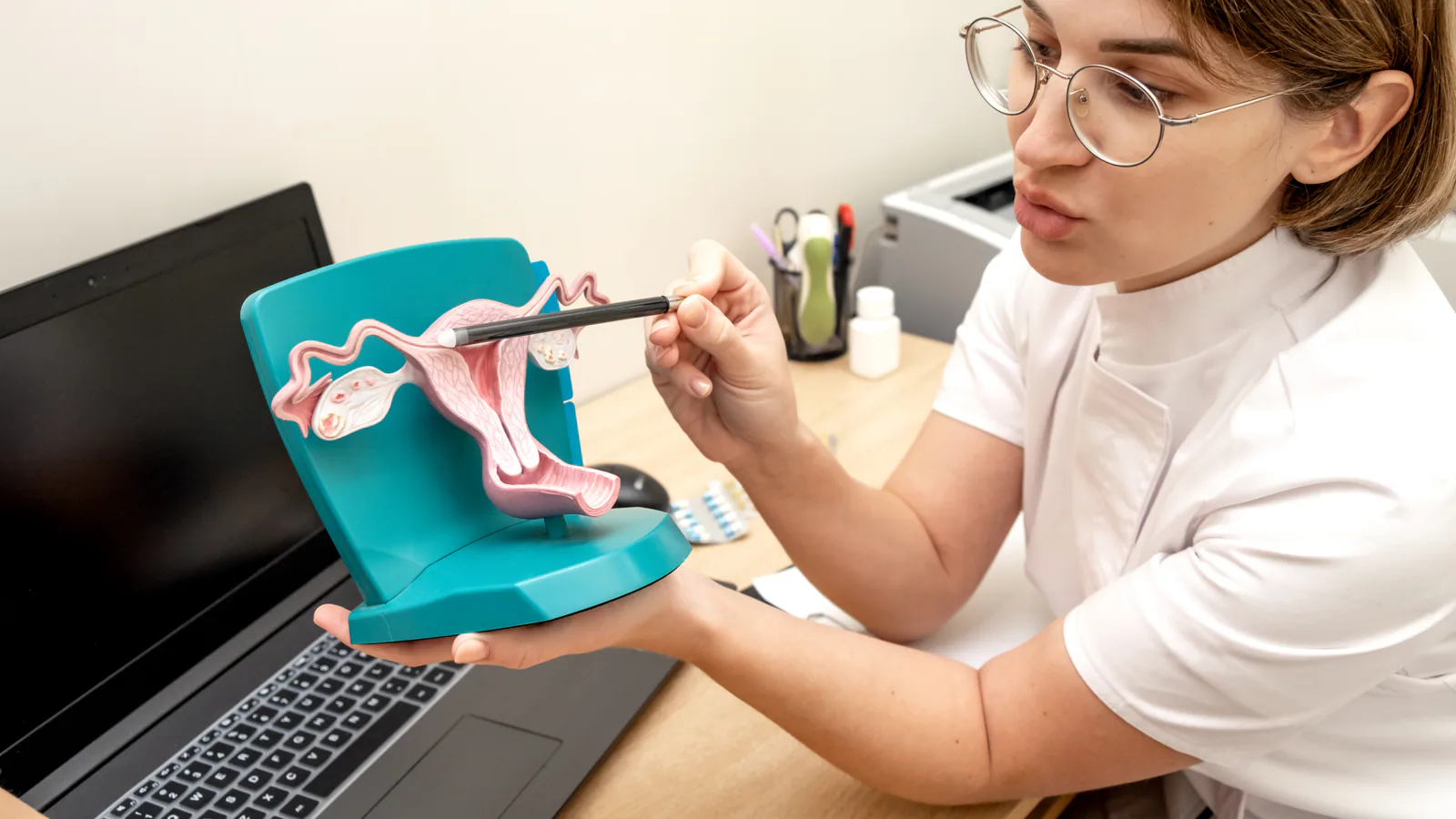
The fallopian tubes are thin tubes about 10-12 centimeters long, extending from both sides of the uterus toward the ovaries. The fringed structures at the end of the tube catch the egg that comes out of the ovary. Sperm floats from the uterus toward the tube, and fertilization mostly occurs in the middle part of the tube. The formed embryo is transported through the tube to the uterus within a few days.
Therefore, the tubes need to be both open, movable, and healthy. Being open alone is not enough. If the microscopic tubes on the inner surface of the tube are damaged, the tube may not be functional even if it appears open on X-ray.
What Causes Tube Blockage?
The most important cause is pelvic infections. Sexually transmitted bacteria such as chlamydia and gonorrhea can cause silent inflammation and adhesion in the tube. Many women are not even aware of the infection they have had.
Other causes include endometriosis, previous abdominal or pelvic surgeries, intra-abdominal infections such as appendicitis, a history of ectopic pregnancy, and rarely tuberculosis. Sometimes the cause cannot be found. You can find the relationship between infections and infertility in the article 'Do infections cause infertility?' and the effect of endometriosis can be found in the article on endometriosis and infertility.
Does Tube Blockage Cause Symptoms?
Most of the time, it doesn't. A woman with a tubal blockage may have regular menstruation, may not have pain, and may feel completely healthy. Therefore, pregnancy is not noticed until it is delayed.
Some women may experience pain in the lower abdomen or pelvic area, increased pain during menstruation, and discomfort during intercourse. Sometimes a watery discharge can be seen in hydrosalpenks. However, these symptoms are not specific to blockage and can also occur due to other causes. Therefore, the absence of symptoms does not indicate that the tubes are healthy.
What Is the Difference Between Proximal and Distal Obstruction?
The obstruction near the uterus is called proximal obstruction, while the obstruction near the ovary is called distal obstruction. The difference is important because treatment and expectations vary.
Proximal obstruction is sometimes not a true obstruction, but a temporary contraction in the tube or a small mucus plug. In this case, the fluid given during the uterine X-ray can open the plug. Distal obstruction usually results in the tube end closing with adhesions and fluid accumulation; hydrosalpinx is associated with this condition.
What is Hydrosalpenks?
Hydrosalpinx is the accumulation of fluid inside the tube because the end of the tube is closed, causing the tube to swell. It is mostly the result of a past infection or endometriosis. On ultrasound, it can appear as a sausage-shaped, fluid-filled structure next to the ovary.
This fluid can flow back from the tube into the uterus. It is thought that by creating an environment inside the uterus that could be harmful to the embryo, it can negatively affect the embryo's implantation. Hydrosalpinx is a condition that should be addressed separately in the treatment of infertility.
How is Tubal Obstruction Diagnosed? (HSG, Laparoscopy)
The most commonly used method is uterine X-ray (hysterosalpingography, HSG). A contrast agent is administered through the cervix, and the openness of the uterine cavity and tubes is evaluated with an X-ray. The procedure is short and is performed after the period ends, on days without the risk of pregnancy. You can find details in the article on what an HSG uterine X-ray is and how it is taken.
In some cases, a tube evaluation (HyCoSy) performed with fluid administered under ultrasound guidance is preferred. Laparoscopy provides direct evaluation in selected patients because it directly reveals tubal adhesions, ovaries, and intra-abdominal adhesions. Since laparoscopy offers both diagnosis and treatment opportunities, it may be the first choice for certain patients.
Can You Get Pregnant with Unilateral Obstruction?
Yes, natural pregnancy is possible if the tube on the opposite side is healthy and open. The ovaries do not work alternately every month; sometimes ovulation occurs consecutively from the same side, but the opposite tube can still catch the egg. Still, the chance of pregnancy may be somewhat lower compared to a woman who has both tubes healthy.
In women with unilateral obstruction, if other fertility factors (age, ovarian reserve, sperm quality of the partner) are normal, natural trial can be maintained for a while. If age is advanced or another problem accompanies it, a treatment plan should be made without delay.
Is Pregnancy Possible If Two Tubes Are Blocked?
If both tubes are completely blocked, natural pregnancy is not expected because sperm and egg cannot meet. In this case, there are two options: try opening the tubes surgically or completely disable the tubes and perform IVF.
In IVF, the egg is taken directly from the ovary, fertilized in the laboratory, and the embryo is placed directly into the uterus. Therefore, the tubes do not need to be open. You can review the article on how to perform IVF treatment for the stages of the IVF method.
Can Tube Blockage Be Cleared Surgically?
In some cases, yes. In proximal (proximal obstructions), sometimes the tube can be opened with pressure applied during uterine X-ray or special catheter methods. In distal blockages, a new opening can be created at the end of the tube with laparoscopic surgery. Adhesions can also be separated surgically.
However, the chance of surgical success depends on the degree of damage to the tube. If the inner surface of the tube is severely damaged, even if opened surgically, the function may not be sufficient, increasing the risk of ectopic pregnancy. Therefore, direct IVF may be recommended for older patients or those with severe tube damage. The decision is made based on factors such as the patient's age, extent of damage, and duration of pregnancy.
Why Does Hydrosalpinx Reduce IVF Success?
It is thought that hydrosalpinx fluid flows into the uterus, disrupting the embryo's implantation environment. Research has shown that women with untreated hydrosalpinx have significantly lower rates of pregnancy and live birth in IVF. The risk of miscarriage may also increase.
This information is important because a patient with hydrosalpinxia can increase their chances by resolving this issue before undergoing IVF treatment. In patients experiencing failure in embryo transfer, uterine and tube factors are also evaluated. The article 'Embryo causes implantation to not implant' provides a general framework.
Should the Tube Be Removed or Clipd in Hydrosalpinx?
There are two surgical approaches to eliminate the effect of hydrosalpinx before IVF. The first is laparoscopic removal of the affected tube (salpenectomy). The second is the clip or ligament of the tube near the uterus (proximal tube occlusion). In both, the goal is to prevent the fluid from the tube from flowing into the uterus.
The choice of method depends on the patient's condition. Factors such as maintaining ovarian blood flow and surgical safety are taken into account. This decision is made together with the doctor, taking into account the patient's age and treatment plan. Especially in clinically significant hydrosalpinx planned for IVF, the treatment option is definitely considered; The decision is individual.
Is Direct IVF Necessary for Tubal Blockage?
Not always. In a young woman, if the obstruction is proximal and the chance of surgical success is high, surgical or tube opening methods may be tried first. If age is advanced, ovarian reserve is low, both tubes are severely damaged, hydrosalpinx is present, or another infertility cause is present, direct IVF may be more reasonable.
The time factor is important. Especially after the age of 35, having a tube surgically opened and waiting for months for a natural pregnancy can lead to a loss of valuable time. Treatment selection requires a personalized assessment.
Does the Risk of Ectopic Pregnancy Increase with Blocked Fallopian Tubes?
Yes. If the tube is partially damaged, sperm may pass through, but the embryo cannot reach the uterus and can implant in the tube. This is ectopic pregnancy and is a serious condition that requires urgent intervention. Women with tubal damage have a higher risk of ectopic pregnancy.
If there is unilateral abdominal pain, bleeding, dizziness, or fainting after a positive pregnancy test, urgent evaluation is required. You can refer to the article on ectopic pregnancy symptoms for symptoms.
How to Prevent Congestion?
Not all causes can be prevented, but some can be brought under control. Protecting against sexually transmitted infections, treating suspected symptoms early, and completing treatment reduce the risk of tube damage. Monitoring and treating chronic diseases like endometriosis is also important.
Regular gynecological check-ups help catch infections early. Women planning pregnancy should have an evaluation done without waiting long if there is a delay. Early diagnosis allows for more treatment options.
How Are Uterine Imaging (HSG) Results Interpreted?
In HSG, the contrast agent moves from the uterus into the tubes and is expected to flow from the end of the tubes into the abdominal cavity. If this shedding is seen in both tubes, the tubes are considered open. On the side where no shedding is observed, blockage is considered. If the tube appears dilated and the end is closed, hydrosalpinx comes to mind.
However, HSG is an imaging method, and the result can sometimes be misleading. Temporary contractions during the procedure can make the tube appear blocked. Therefore, it makes sense to verify with additional methods in case of suspicious or unexpected results. The result must be interpreted together with the doctor evaluating the procedure.
How Are Tubes Evaluated in Laparoscopy?
Laparoscopy is a surgery performed with a camera through small holes made in the abdomen and directly shows the external appearance of the tubes, ovaries, and adhesions. Usually, dyed fluid is administered from the uterus to monitor live whether the tubes are open. This procedure is called chromopertubation.
The advantage of laparoscopy is that it offers a chance for treatment along with diagnosis. Adhesions can be separated, endometriosis foci cleaned, and if necessary, the hydrosalpinx tube can be removed in the same session. It is a mild surgery but requires general anesthesia, so it is only planned for patients who will truly benefit. You can refer to the article on ovarian cysts and laparoscopy for minimally invasive ovarian cyst surgery.
When Is IVF Performed After Hydrosalpinx Surgery?
After removing or closing the tube, the body should be allowed to recover. There is no mandatory waiting period for IVF or embryo transfer that applies to everyone. The timing is determined by the scope of the surgery, recovery, and the patient's reproductive plan.
An important point is the possibility that the surgery may affect ovarian blood flow. After surgery, ovarian reserve and response to stimulation are evaluated. In an experienced team, this risk is low, but it is a topic that needs to be discussed.
Why Is Age and Time So Important in Tube Problems?
Tube blockage is not solely age-dependent, but the chance of pregnancy depends on age. After the age of 35, the number and quality of eggs decrease rapidly. Trying to open a tube surgically and then wait for a natural pregnancy for months may be reasonable for a young patient. The same approach can mean wasting valuable time for an elderly patient.
The treatment plan is made not only according to the condition of the tube but also according to age and reserve. The article 'What is egg reserve' can be useful for evaluating egg reserve.
Is Insemination (IUI) Suitable for Tubal Obstruction?
The sperm prepared for insemination is delivered directly into the uterus, and fertilization occurs in the tube. Therefore, at least one tube must be open and healthy. If both tubes are blocked, insemination is ineffective and wastes time.
In cases where one tube is open, insemination may be an option, but success depends on the patient's age and the partner's sperm quality. In the presence of hydrosalpinx, the problem usually needs to be resolved first. A vaccination decision should not be made without a clear evaluation of the tube condition.
Why Are the Ovaries and Uterus Evaluated Together in a Patient with Tubal Problems?
If IVF is to be performed due to tubal blockage, the success of the treatment depends not only on the fallopian tubes but also on ovarian reserve and the condition of the uterus. If there are polyps, fibroids, or adhesions inside the uterus, the embryo's implantation may be affected.
Therefore, the evaluation is done as a whole: hormone tests, ultrasound, hysteroscopy if necessary, and sperm analysis of the partner. Thus, every problem that can be corrected before treatment is addressed, preventing unnecessary failures.
What follow-up is needed after tube opening surgery?
The follow-up period for natural pregnancy after tubal reparative surgery is determined according to the patient. Especially in mild–moderate tubal disease under 35 years old, if there are no other significant infertility factors, a trial of about 12 months may be reasonable. Earlier IVF evaluation is necessary in advanced age, low reserve, or severe tubal injury. Because over time, the risk of the tube re-blocking and age-related fertility loss increase.
If pregnancy occurs after surgery, it is important to confirm the pregnancy in the uterus with ultrasound in the early period. Because the risk of ectopic pregnancy in the fallopian tubes after surgery is higher than normal. It is recommended to have a pregnancy test and inform your doctor if your period is delayed by even a week.
Why Do Silent Infections and Chlamydia Damage the Tubes?
Sexually transmitted infections like chlamydia do not cause symptoms in most women. The infection rises from the uterus to the fallopian tubes and creates a silent inflammation on the inner surface of the tube. This inflammation can lead to adhesions and blockages in the tube wall.
Many women do not even remember having such an infection in the past when diagnosed with tubal obstruction. Therefore, protecting against sexually transmitted infections, screening for suspicious cases, and completing treatment thoroughly are among the most effective ways to maintain tubal health. For general information about infections, you can refer to the article What are genital infections?
Besides fertility, what else can a tubal problem lead to?
Hydrosalpinx and tube infections can lead to chronic pelvic pain. Some women experience increased pain during menstruation, discomfort during intercourse, and watery discharge. Rarely, acute infections such as tubal abscesses develop, and fever and severe abdominal pain require urgent treatment.
Therefore, the tubal problem is not just a matter of infertility. Treatment can also be planned to improve quality of life in patients with complaints. Women experiencing constant pain are advised to have an evaluation before normalizing the condition.
How Should a Couple Diagnosed with Tube Blockage Make a Decision?
The most common problem couples face when diagnosed is which path to choose. It is helpful to answer four fundamental questions together for the decision: What is the woman's age and ovarian reserve? Where and to what extent is the blockage? Does your spouse have sperm problems? What time and budget can the couple dedicate to treatment?
The answers to these questions determine the balance between surgery and IVF. For some couples, surgery is an option; for others, direct IVF is the most accurate and shortest method. Getting a second opinion can also reassure the couple's decision.
When is a Second Opinion Meaningful in Tube Problems?
Regarding the question of surgery or IVF, two doctors may make different recommendations. This does not indicate a mistaken view. Different approaches can be advocated according to patient age, reserve status, and treatment history.
The second opinion is especially meaningful when surgery is recommended or the treatment plan is unclear. Carrying all test results, HSG scans, and surgical reports with you makes it easier for the second doctor to make an accurate assessment.
When Should You See a Doctor?
If pregnancy does not occur despite one year of unprotected intercourse for one year under 35 or six months of regular unprotected intercourse after age 35, evaluation is necessary. If you have previously had a pelvic infection, ectopic pregnancy, endometriosis, or abdominal surgery, it is recommended to apply without waiting. Persistent lower abdominal pain, watery discharge, and pain during intercourse are also symptoms that should be evaluated.
Common Mistakes
"If there had been a tube blockage, it would be painful."
The blockage often causes no symptoms. The absence of pain does not mean the tubes are healthy.
"If the tubes are blocked, it is absolutely impossible to have children."
Pregnancy is possible with IVF even if the tubes are blocked. There is no need for the tubes to be open.
"The uterine X-ray was taken and it appeared clear; the tubes are completely healthy."
HSG shows openness but does not always show the inner surface function of the tube and the adhesions around it.
"Hydrosalpinx is not important, IVF is still possible."
Untreated hydrosalpinx can reduce IVF success. This condition should be evaluated before treatment.
"Every blocked tube must be opened surgically."
Surgery is not the first choice for every patient. Direct IVF may be more appropriate depending on age, degree of damage, and accompanying factors.
"One cylinder is not enough."
If the opposite tube is healthy, natural pregnancy is also possible with a single tube.
Assoc. Prof. Dr. Nurettin Türktekin's Evaluation
"The most important distinction in tube blockage is that the tube appearing open on imaging is not the same as actually being able to perform its function. The fallopian tube is not just a channel through which eggs and sperm pass; The fringed tip catches the egg, and cilia and muscle movements on its inner surface help transport the embryo to the uterus. Past infection or endometriosis can impair these functions. Therefore, the presence of clearance in HSG does not guarantee that tube function is completely normal. Conversely, a blockage near the uterus may sometimes be not a true anatomical closure but a spasm during the procedure. A surgical decision that cannot be reversed should be made based on a single suspicious HSG finding."
"We also evaluate hydrosalpinx separately. The problem here is not just that the tube is blocked; The backflow of accumulated fluid into the uterine cavity can negatively affect the environment in which the embryo will implant. Since fertilization occurs in the laboratory in IVF, tubal opening is not necessary; However, the effect of hydrosalpinx on the uterus may continue. Therefore, in patients where we detect hydrosalpinx on ultrasound or HSG, especially before embryo transfer, we consider options such as tube removal (salpenjectomy) or closing the connection with the uterus (proximal occlusion). Attempting to remove the tube in patients with widespread adhesion may increase surgical risk; In this case, occlusion may be a suitable alternative. When choosing the method, the preservation of the vessels near the ovary and the patient's previous surgeries are also important."
"In choosing treatment, we consider the patient's age, ovarian reserve, the location and degree of tubal damage, semen analysis, and the expected duration of pregnancy. For example, in a young woman with no other cause of infertility and mild distal tubal disease, reconstructive surgery may offer a chance of natural pregnancy in the future. Conversely, if there is advanced age, significant loss of reserves, severe bilateral tubal damage, or additional male factors, waiting for pregnancy after surgery for a long time may not be appropriate. Even after the tube is opened, we discuss with the patient in advance that there is a risk of re-obstruction and ectopic pregnancy. Confirming that the pregnancy has settled in the uterus with early ultrasound when pregnancy occurs is also an important part of the follow-up plan. Our goal is not just to open the tube or perform surgery; to determine the most suitable pregnancy path with minimal unnecessary intervention, without wasting time, and while preserving the patient's future reproductive options."
Conclusion
Tube blockage is often a cause of infertility that causes no symptoms but seriously affects pregnancy. The most common causes are infections, endometriosis, and abdominal surgeries. Diagnosis is made through uterine X-ray and, if necessary, laparoscopy. Hydrosalpinx is a special condition that should be evaluated before treatment because it can reduce IVF success. Treatment options vary depending on the location of the blockage, the degree of damage, and the patient's age. If pregnancy is delayed or there is a risk factor, obtaining expert evaluation without delay makes it easier to access the right treatment.
Frequently Asked Questions
Can blocked fallopian tubes open on their own?
Some proximal obstructions may not be true obstructions but temporary contractions or mucus plugs, and can open spontaneously or during uterine imaging. True blockages do not clear on their own.
Can HSG be therapeutic?
In some patients, the fluid given during the uterine hysterectomy can open small plugs and temporarily increase the chances of pregnancy. However, HSG is primarily a diagnostic method.
Can IVF be performed without treating hydrosalpinx?
It can be done, but the chance of success may decrease. In most cases, removing or closing the tube before IVF is recommended. The decision is made by the patient's private doctor.
Can you get pregnant with one fallopian tube?
Yes. If the tube on the opposite side is healthy and open, natural pregnancy is possible. The chance may be somewhat lower compared to a woman with healthy both tubes.
What is the chance of success after surgery?
Success depends on the location of the blockage, the degree of tube damage, and the patient's age. The chance is higher in slightly damaged tubes. In cases of severe damage, IVF may be recommended instead of surgery.
Does blockage cause pain?
Most of the time, it doesn't. Some women may experience pelvic pain or discomfort during intercourse, but these symptoms are not specific.
Get Your Free Consultation
Fill out the form below and our team will contact you

