


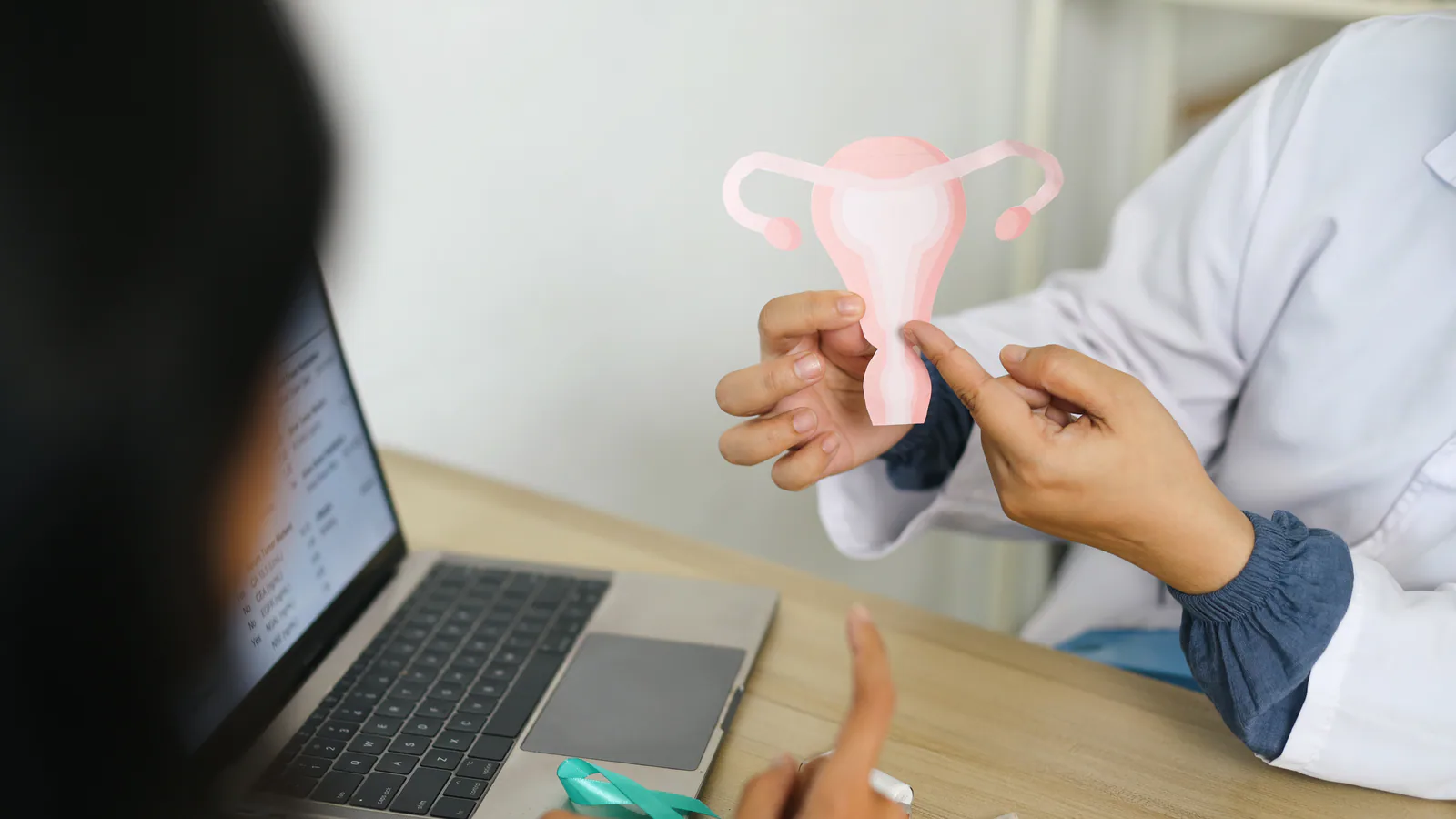
How long does bleeding, pain, and swelling last after hysteroscopy? Learn about the symptoms to watch for during the recovery process and those that require consultation.
After hysteroscopy, mild spotting and cramps similar to menstrual cramps may occur. Recovery varies depending on whether imaging is performed alone or if a condition such as polyps, fibroids, or adhesions is addressed in the same session. This article explains the expected symptoms and when medical evaluation is necessary.
This content is for general informational purposes; does not replace personal diagnosis and treatment recommendations. Follow the discharge instructions given to you after the procedure.
What to expect in the first hours after hysteroscopy
Hysteroscopy is the examination of the inside of the uterus by passing through the vagina and cervix with a thin camera. If necessary, a tissue sample can be taken or appropriate lesions can be intervened in. Many patients are discharged the same day after observation; Depending on the procedure performed and the general condition, longer follow-up may be required.
Dizziness and nausea may occur after sedation or general anesthesia. Arrange a companion for the return home. Follow the time and restrictions set by the anesthesia team regarding driving, being alone, consuming alcohol, and making important decisions; Just because the trading day has ended does not mean these effects have passed.
How many days does bleeding last after hysteroscopy
Mild bleeding or spotting after diagnostic hysteroscopy may last for several days; In some people, it can last up to about a week. If tissue removal or surgical intervention is performed, the duration may vary and be longer. The absence of bleeding alone does not mean it is a problem.
Pink, brown, or slightly bloody watery discharge may be observed. The expected course is a decrease in complaints over time. There is no one-size-fits-all day limit. If bleeding increases, reappears after lesson, or lasts longer than the time you were told, inform the healthcare team who performed the procedure.
Which bleedings require evaluation
Bleeding enough to fully wet a pad in about an hour, large or recurrent clots, and progressively increasing bleeding should be evaluated without delay. Since the absorbency of pads varies, the daily number of pads alone is not a reliable metric. If the bleeding is accompanied by dizziness, palpitations, noticeable weakness, or fainting, seek help even if the amount seems small.
If there is heavy bleeding, fainting, or noticeable deterioration, go to the emergency room without waiting to reach the clinic; If safe transportation is not possible, call 112.
Abdominal bloating and a feeling of gas can cause it
There may be a temporary feeling of bloating after the procedure. Sterile fluid is usually used to visualize the inside of the uterus during hysteroscopy; The procedure is not routinely performed by injecting gas into the abdomen as in laparoscopy. Therefore, it is not correct to explain every swelling by "gas supplied during the process."
For mild symptoms, short walks and normal fluid intake can help as long as you feel well. If there is significant or increasing abdominal bloating, severe pain, recurrent vomiting, or shortness of breath, do not consider this as a normal gas complaint. Seek emergency help, especially in cases of shortness of breath.
How long do cramps and pain last
Mild cramps resembling menstrual cramps can be seen in the first hours or for several days. The pain is expected to gradually ease. Use the painkiller your doctor deems appropriate for you at the recommended dose and duration. The suitability of painkillers; It varies depending on allergies, comorbidities, and other medications used.
Pain that progressively increases, severe, or remains uncontrolled despite prescribed medications requires medical evaluation. Do not expect fever or heavy bleeding to accompany it.
Is there shoulder pain after hysteroscopy?
Shoulder pain alone is not a typical sign of improvement from hysteroscopy. If laparoscopy was also performed in the same session, it may be related to the gas used. If the onset of shoulder pain is accompanied by abdominal pain, shortness of breath, chest pain, or dizziness, urgent evaluation is necessary.
Does healing change if a polyp or fibroid is removed?
The type and scope of the intervention and the individual's health condition affect the healing process. After removal of polyps or fibroids, adhesions, or intervention with the uterine lining, bleeding and cramps may last longer compared to the imaging procedure. Therefore, another patient's experience does not give you a definite time.
When to return to work and daily life
After brief diagnostic procedures, some people may return to their light daily tasks the same day or the next. Surgical intervention, anesthesia, ongoing pain, or physically demanding work may require longer rest. How you feel and your doctor's recommendations determine how you return to work.
In the initial period, postpone heavy lifting and strenuous exercise. If pain or bleeding increases during activity, stop and consult your healthcare team. Not everyone is expected to return to work on the second day or for all symptoms to end within a week.
How long to wait for sex tampon, pool, and bath
Use pads instead of tampons or menstrual cups while bleeding continues; Avoid vaginal intercourse. Follow your discharge recommendations for swimming, bathing, and vaginal applications. Taking a shower is usually possible; If you feel dizzy after anesthesia, seek help.
The duration of the restriction may vary depending on the intervention performed. For some procedures, a waiting period of at least one week or longer may be recommended. Stopping bleeding early does not mean the time specified by your doctor has ended. Consider both the improvement of symptoms and the time given to you to return to relationships and other activities.
When will the next period come
The time for the next period; depends on the pre-procedure cycle, the intervention performed, and the hormone medications used. It cannot be said that menstruation will start four to six weeks after the procedure date for everyone. The amount or timing of the first menstrual bleeding may differ from the usual amount.
If your expected period is delayed and there is a possibility of pregnancy, take a pregnancy test and inform your doctor. Significant decrease, interruption, or ongoing irregularity in menstruation should be evaluated; These alone do not make a diagnosis of intrauterine adhesions. If bleeding recurs after menopause, consult your doctor.
When can pregnancy be tried after hysteroscopy
The timing of starting pregnancy attempts or embryo transfer is determined by the intervention performed, the healing of the uterine lining area, the pathology result if any, and the treatment plan. There is no rule of waiting for one or two menstrual cycles for each patient. Clarify the timing with your surgeon who performed the procedure; Do not decide based solely on the end of the bleeding.
What are the symptoms of infection
Infection is rare but possible. Receive a same-day medical evaluation if fever is 38 °C or higher, chills, foul-smelling discharge, increased lower abdominal pain, or significant general discomfort. The fact that the fever has not reached this level is not a reason to wait if there are other warning signs.
Treatment is determined based on examination and necessary examinations. Do not start antibiotics on your own. It should not be assumed that the infection will always be mild or resolve with oral medication alone. Temporary relief with painkillers does not eliminate the need for evaluation.
Medications for nutrition and adhesion prevention treatment
Not every patient needs antibiotics or hormone therapy. Use only the medications prescribed for you. After certain interventions such as adhesion unbonding, additional treatments or intrauterine applications may be considered; Selection and follow-up are personal to the individual. These procedures are not routine for all hysteroscopies and do not promise to definitively prevent adhesions.
Follow the anesthesia team's instructions when returning to feeding. If there is no nausea and no other restrictions are imposed, you can return to normal eating with the foods you tolerate. Normal fluid intake, proper movement, and rest can support recovery; Excessive consumption of a particular food or water is not a method to speed up recovery.
Pathology result and follow-up examination
If a tissue sample is taken, the processing time varies depending on the laboratory and the need for additional examination. Learn when and how to get the result when you are discharged. Delayed results alone are not indicators of a malignant disease; It is also impossible to guarantee benign behavior without considering the result.
Whether or not control is needed and the timing are determined according to the operation performed. During the check-up, symptoms, pathology results if any, and subsequent treatment plan are evaluated. If necessary, ultrasound or re-hysteroscopy can be scheduled. Do not wait for the scheduled check date at warning signs. If anxiety affects your daily life, seek support from your healthcare team.
When to seek emergency help
- If you experience fainting, severe dizziness, or noticeable weakness along with heavy bleeding, seek emergency care.
- Seek emergency help for shortness of breath, chest pain, or sudden and severe abdominal pain.
- If fever at 38 °C or higher, chills, foul-smelling discharge, increased bleeding, or uncontrollable pain, see your doctor the same day; If you cannot reach them, contact the emergency room.
Do not wait for one bleeding period or multiple symptoms to occur together in these symptoms.
References
NHS — Hysteroscopy. https://www.nhs.uk/tests-and-treatments/hysteroscopy/
RCOG — Outpatient hysteroscopy, April 2025 update. https://www.rcog.org.uk/media/beidjnh2/pi-outpatient-hysteroscopy_2025.pdf
Royal Devon University Healthcare NHS — After your outpatient hysteroscopy, June 2025. https://www.royaldevon.nhs.uk/media/gsjbjw4y/after-your-outpatient-hysteroscopy-rd-n-24-052-001.pdf
Oxford University Hospitals — After your hysteroscopy. https://www.ouh.nhs.uk/services/departments/gynaecology/hysteroscopy/after/
Guy's and St Thomas' NHS — Recovery after a hysteroscopy. https://www.guysandstthomas.nhs.uk/health-information/hysteroscopy/recovery-after-hysteroscopy
Frequently Asked Questions
Is it a problem if there is no bleeding after hysteroscopy?
No. The absence of bleeding alone does not indicate that the operation failed or that there is a problem.
Is passing blood clots normal?
A small amount of small clot may be seen. Large or recurrent clots, increased bleeding, or accompanying fatigue require evaluation.
What is the difference between office hysteroscopy and a procedure under anesthesia?
Office hysteroscopy is mostly performed without general anesthesia; Minor interventions can also be applied in suitable patients. The use of anesthesia alone does not indicate the extent of the procedure. Recovery is determined by both the extent of the intervention and the effects of anesthesia.
Is it necessary to fast before the procedure?
This depends on the anesthesia plan. Fasting may not be necessary for office procedures without anesthesia. When sedation or general anesthesia is planned, follow the fasting instructions given by the team. Do not stop your medications, especially blood thinners, on your own decision; Inform the team about the possibility of pregnancy.
Get Your Free Consultation
Fill out the form below and our team will contact you

