


What is a semen analysis and what is looked at? How to prepare, what oligo-, astheno-, terato- and azoospermia mean, reading the result and repeat testing.
A spermiogram, that is, a semen analysis, is the test in which characteristics such as the number, movement and shape of the sperm cells in the fluid released during ejaculation are examined in the laboratory. It is requested as the first laboratory test of the male side in a couple's infertility assessment. The result is not a diagnosis on its own, but information that the doctor reads together with the history and examination findings. This information offers a general framework and does not replace the interpretation of your own result by a doctor.
What is a spermiogram, and why is it requested?
Because a male factor is often seen in a delay in pregnancy, the assessment mostly covers both partners together. According to current guidelines, semen analysis is the first laboratory test of the male assessment and can be done without waiting for the investigations on the female side to be finished. No intervention in the body is needed for the test; only a sample is given.
The analysis is done according to a standard laboratory method. The purpose of this standard is for different laboratories to measure the same characteristics in the same way.
A spermiogram has a limit: it does not directly measure whether the sperm is suitable for fertilising the egg, it only describes its visible characteristics. The result cannot draw a clear line between a fertile man and an infertile one. For this reason a spermiogram is not a verdict, but the starting point of the assessment.
What is looked at in a spermiogram?
The laboratory report gives several characteristics separately:
- Volume: The amount of the sample given.
- Sperm count: The concentration of sperm in the sample and the total amount of sperm.
- Motility: What proportion of the sperm are moving, and whether the movement is directional.
- Shape (morphology): The structural characteristics of the head, neck and tail of the sperm.
- Vitality: Whether the sperm that look immobile are alive.
Other measures, such as the appearance and consistency of the fluid, may also appear in the report. These characteristics are not independent of one another; the result is read as a whole, not piece by piece.
How do you prepare for the analysis?
For the sample to be interpreted reliably, the laboratory's instructions need to be followed. It is common for a certain period of sexual abstinence to be requested before the analysis; however, what this period should be differs between sources. For this reason the period to be applied is the one written in the laboratory's instructions, and the instructions are followed rather than shortening or lengthening it on your own.
Giving the sample
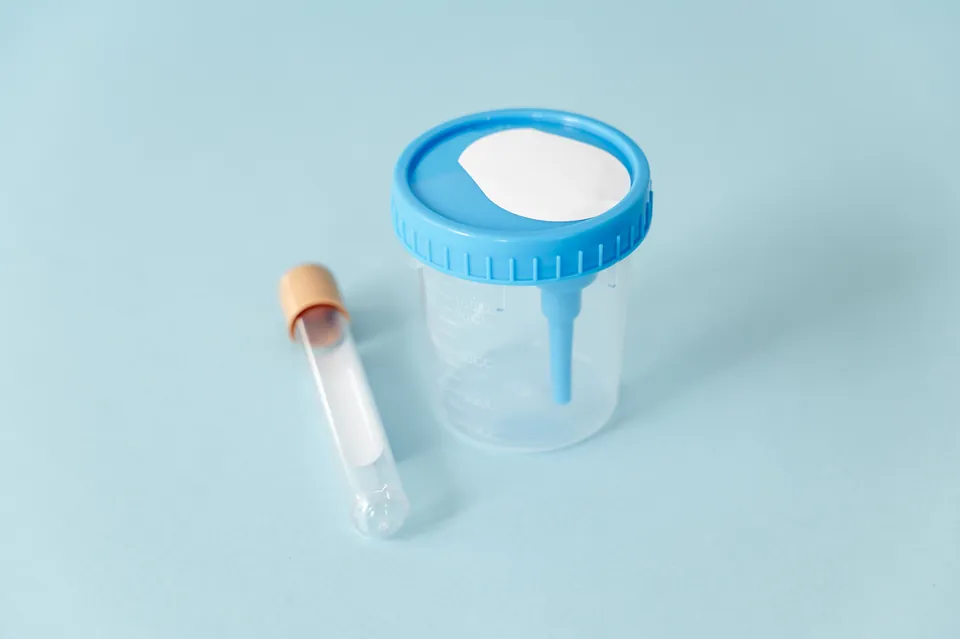
The sample is delivered in the container and under the conditions stated by the laboratory. Because the characteristics of the container, the way the sample is transported and the delivery time may vary with the laboratory, the laboratory's guidance is the basis for these details. If part of the sample was lost or the instructions could not be followed, telling the laboratory helps the result to be read correctly.
The medicines you use and the illnesses you have had should be reported to the doctor. Anabolic steroids and some hormone preparations can suppress sperm production; rather than starting or stopping them on your own decision, you need to talk to your doctor.
What do the terms oligo-, astheno-, terato- and azoospermia in the result report mean?
The terms commonly met in the report are labels that describe a laboratory finding; they are not the names of diseases:
- Oligozoospermia: A low sperm count.
- Asthenozoospermia: Reduced sperm movement.
- Teratozoospermia: A high proportion of sperm with abnormal shape.
- Oligoasthenoteratozoospermia: These three characteristics occurring together.
- Azoospermia: No sperm being found in the sample.
From which value these terms are used depends on the laboratory's reference range. The term itself does not tell the cause; looking for the cause is a separate assessment. In azoospermia, whether the absence of sperm is due to a blockage or a production problem is also investigated separately by the doctor.
How is the result interpreted?
Sperm characteristics can change markedly over time even in the same person; for this reason a single sample may not reflect the full picture. The report gives the laboratory's reference range alongside the result, and interpretation is made against this range. Because the ranges change with the guideline edition and the laboratory, comparing with figures on the internet or from another laboratory can be misleading; the range in your own report is the basis.
A value just outside the range does not automatically mean that treatment is needed; a result within the range does not guarantee that everything is in order either. The result is assessed together with the couple's age, the duration of trying for pregnancy, the findings on the female side and the man's history.
What happens if the result is abnormal?
An abnormal result is not regarded as definite proof of a permanent condition. The first step is to look at whether the result is confirmed; after that, investigation directed at the cause is considered.
Repeat analysis
Current guidelines recommend that if the first analysis is abnormal, the result be confirmed with at least two consecutive analyses. They do not recommend repeating when all the characteristics are within the reference range; if one or more are outside the range, they point to repeating after a time as a non-definitive recommendation, and the data behind this recommendation are still very limited. That is, repeat assessment is considered in a person whose first result is abnormal; if all the results are within the range, repetition is not recommended. Your doctor determines the timing.
Additional assessments
Additional investigations are not a package applied to everyone; they are chosen according to the result and the examination. If your sperm count is markedly low or there is no sperm, hormone tests (FSH, LH and testosterone) are recommended. In these two situations chromosome analysis and genetic counselling are also recommended. Genetic investigation is important for knowing in advance about a condition that could be passed on to the child.
In unexplained infertility with a normal semen analysis, the picture is different. Current guidelines do not recommend routine hormone testing and testicular imaging in these couples. This recommendation covers only couples whose semen is normal; it does not cover those with an abnormal semen result.
There is also a special test that examines damage in the genetic material of the sperm; this test is not part of the standard spermiogram, and guidelines take different approaches to its routine use. Your doctor decides which investigation will be done.
A newly noticed, painless hardness or lump in your testis, although not an emergency, should be shown to your doctor without delay.
Frequently Asked Questions
Does a spermiogram alone show fertility for certain?
No. A spermiogram does not directly measure whether the sperm is suitable for fertilising the egg; it only describes its visible characteristics. The result cannot draw a clear line between a fertile man and an infertile one; it is the starting point of the assessment, not a verdict on its own.
My result came out outside the reference range; what should I do now?
The most suitable step is to take the report to the doctor who requested it or to a urology specialist. Rather than starting medicines or supplements on your own by looking at a single report, first find out how the doctor evaluates the result. If the first result is abnormal, the doctor will most often request another sample; this request does not mean that the result is bad, it is a usual part of the assessment.
Is the period of sexual abstinence before the analysis the same for everyone?
No. What this period should be differs between sources. The period to be applied is the one written in the instructions of the laboratory that will perform your analysis; those instructions should be followed rather than shortening or lengthening it on your own.
Are terms such as oligozoospermia and asthenozoospermia names of diseases?
No. These terms are labels that describe a laboratory finding; they are not names of diseases. From which value they are used depends on the laboratory's reference range; the term itself does not tell the cause, and looking for the cause is a separate assessment.
If azoospermia is found, is the cause automatically known?
No. In azoospermia, whether the absence of sperm is due to a blockage or a production problem is investigated separately by the doctor. A result of "azoospermia" alone does not make this distinction.
If all my results are within the reference range, is a repeat analysis still needed?
No. Current guidelines do not recommend a repeat analysis when all the characteristics are within the reference range. Repeat assessment is considered when the first result is outside the range in one or more characteristics, and your doctor determines the timing.
Are hormone tests and genetic counselling done for everyone?
No. These additional investigations are not a package applied to everyone; they are chosen according to the result and the examination. If your sperm count is markedly low or there is no sperm, hormone tests, chromosome analysis and genetic counselling are recommended.
If the semen analysis is normal but pregnancy is unexplained, are hormone tests and imaging still done?
Generally not recommended. Current guidelines do not recommend routine hormone testing and testicular imaging in unexplained infertility with a normal semen analysis. This recommendation covers only couples whose semen is normal; it does not cover those with an abnormal semen result.
What should I do if I notice a painless hardness or lump in the testis?
Although it is not an emergency, you should show it to your doctor without delay. A newly noticed, painless hardness or lump is a finding that needs to be assessed separately.
Does lifestyle affect the spermiogram result?
Yes. It is known that obesity, inactivity, smoking and excessive alcohol can adversely affect sperm quality, and change in these areas is recommended; current guidelines point to lifestyle adjustments as a non-definitive recommendation. As for supplement products, there is no definite recommendation for antioxidants, and their routine use is not recommended. It is sensible to consult your doctor before using supplements.
What if the result is normal but pregnancy is not happening?
In this case the assessment continues as a couple. Because the duration of trying for pregnancy and the woman's age can affect the timing of the next step, it is sensible to talk with your doctor about whether you will go on waiting.
What should I have with me when going to the appointment?
The original or printout of the laboratory report, the list of medicines you use, the illnesses and operations you have had, how long you have been trying for pregnancy and, if available, your partner's test results help the doctor to interpret the result correctly. If you have a previous spermiogram, bring it too; this makes it possible to read the results together.
Get Your Free Consultation
Fill out the form below and our team will contact you

