


When is laparoscopic ectopic pregnancy surgery needed? Salpingectomy vs salpingostomy, hCG follow-up, risks, recovery and a future pregnancy.
Laparoscopic ectopic pregnancy surgery is the treatment, through small incisions in the abdominal wall, of a pregnancy that has implanted outside the uterus, most often in the fallopian tube. After a diagnosis of tubal pregnancy, whether surgery is needed, and if so, whether the tube should be removed, is determined according to the condition of the tube, signs of bleeding, general condition, and desire for pregnancy. The information below provides a general framework and does not replace an individual assessment.
When is surgery needed in an ectopic pregnancy?
Surgery is needed when the general condition is unstable, when rupture or significant intra-abdominal bleeding is suspected, and in situations not suitable for medical treatment or close monitoring. When the situation allows, the preferred route is usually laparoscopy. In selected people with mild symptoms, no signs of bleeding, and who can attend regular follow-up, medical treatment or monitoring may be sufficient; this decision belongs to the doctor. The approach differs for different locations, such as the cervix, a caesarean scar, or the part of the tube near the uterus.
How is laparoscopic ectopic pregnancy surgery performed?
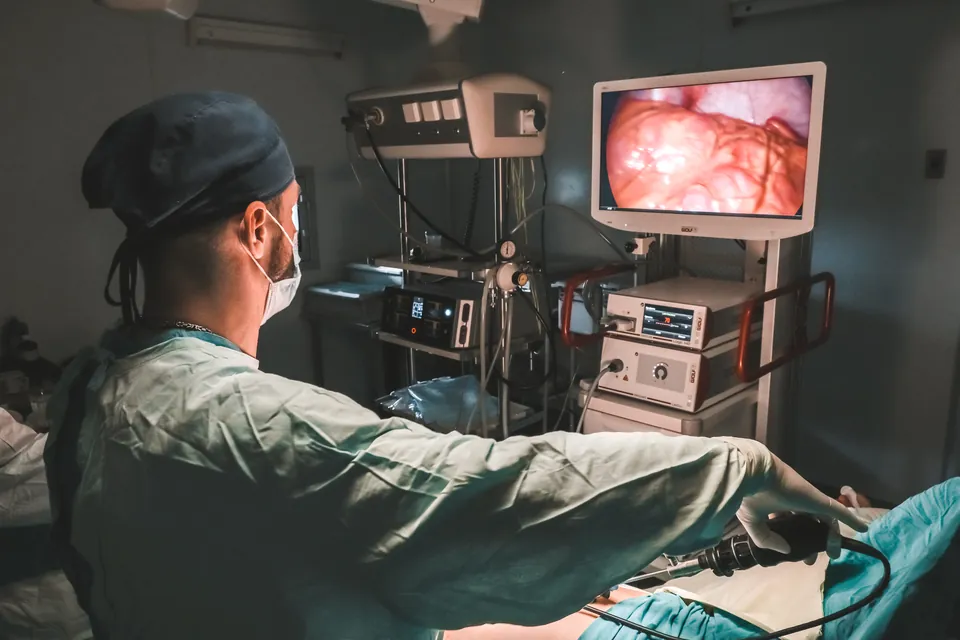
The operation is usually performed under general anaesthesia. Several small incisions are made in the abdominal wall, the abdominal cavity is expanded with gas, and the tube and the pregnancy are assessed with a camera and fine instruments. If there is bleeding, it is controlled, and the abdomen is cleaned. If findings during the operation differ from what was expected, the method can change. The removed tissue may be sent for pathological examination. Blood type is also assessed. The operation is performed by Assoc. Prof. Dr. Nurettin Türktekin at Memorial Şişli Hospital.
What is salpingectomy (removal of the tube)?
In salpingectomy, the tube in which the pregnancy implanted is removed. It is one of the options if the opposite tube is healthy; it is also used if the tube is severely damaged or if bleeding cannot be controlled. The possibility of pregnancy tissue being left behind is largely eliminated.
What is salpingostomy (preserving the tube)?
In salpingostomy, the tube is preserved; a small opening is made in the tube and the pregnancy tissue is removed. It can be considered if the opposite tube is damaged or absent and the person wants to become pregnant. With this method, a portion of the pregnancy tissue can be left behind (persistent trophoblast); for this reason, the level of hCG, the pregnancy hormone, is followed with blood tests after the operation. If follow-up is not completed, remaining tissue may go unnoticed and additional treatment may be needed.
Which is better for pregnancy chances: salpingectomy or salpingostomy?
The condition of the opposite tube, bleeding and general condition, whether a previous ectopic pregnancy has occurred, and the desire for pregnancy all play a role in the choice. Some studies comparing the chance of subsequent natural pregnancy after salpingostomy versus salpingectomy found no significant difference. Some observational studies have reported results favouring tube preservation; however, these results are open to selection bias and should be interpreted with caution. For this reason, it cannot be said that either method provides a benefit in terms of pregnancy. It has also been reported that when the tube is preserved, the likelihood of persistent trophoblast and a further ectopic pregnancy may be higher. The decision is made between the surgeon and the patient together with this information.
What happens if the tube ruptures?
A ruptured tube can cause bleeding into the abdomen. Surgery is then performed without delay. If your condition is unstable, open surgery may be chosen instead of laparoscopy. As with planned surgery, preserving the tube may not always be possible; stopping bleeding is the priority.
What are the risks and possible complications of surgery?
Like any surgical procedure, laparoscopic ectopic pregnancy surgery carries risk. The main risks are:
- Risks related to anaesthesia
- Bleeding
- Infection
- Injury to the bowel, bladder or a blood vessel during entry into the abdomen (most often occurring at the initial entry stage, and sometimes not noticed during the operation, only becoming apparent afterwards through symptoms)
- Pregnancy tissue being left behind in salpingostomy
- Recurrent ectopic pregnancy
- Formation of a blood clot in the leg veins
- Laparoscopy not being completed, requiring conversion to open surgery
Serious complications are rare, but the risk is not zero. It is helpful to discuss which of these apply to you with your doctor at the pre-operative consultation.
What can you expect during recovery?
Abdominal bloating, incision pain and nausea may occur afterwards. Light spotting, mild cramps and temporary gas-related shoulder-tip pain are considered normal during this time. Hospital stay and when to return to work, daily life, sport and sex depend on the extent of surgery and your circumstances; the operating team gives instructions.
Can you become pregnant again after surgery?
An intrauterine pregnancy can still occur after the operation. Even if the tube is preserved, the possibility of another ectopic pregnancy continues; this possibility is higher in people who have previously had an ectopic pregnancy and have tubal damage. For a subsequent pregnancy, early confirmation of the location of the pregnancy by ultrasound is requested. Pregnancy loss can cause distress; these feelings are understandable.
Frequently Asked Questions
Does ectopic pregnancy always need surgery?
No. If your condition is suitable, symptoms are mild, there are no signs of bleeding and you can attend regular follow-up, medicines or monitoring may be sufficient. Your doctor makes this decision.
Can an ectopic pregnancy treated with medicine later need surgery?
Yes. If the response to medicine is insufficient, pain or bleeding develops or tubal rupture is suspected, treatment may be changed to surgery.
Which offers better pregnancy chances: salpingectomy or salpingostomy?
Research has not found a significant difference in subsequent natural pregnancy between the methods. Some observational findings favouring tube preservation are open to selection bias and must be interpreted cautiously; one method therefore cannot be said to be better for pregnancy.
Does preserving the tube (salpingostomy) increase the chance of another ectopic pregnancy?
Yes, reports suggest that persistent trophoblast and another ectopic pregnancy may be more likely when the tube is preserved. Regardless of the method used, the chance of another ectopic pregnancy remains even if the tube is preserved; it is particularly higher with previous ectopic pregnancy and tubal damage.
Can the tube always be preserved if it ruptures?
No. Stopping bleeding is the priority after rupture; preserving the tube may not always be possible and open surgery may be chosen instead of laparoscopy if your condition is unstable.
Why is my blood type asked before the operation?
Blood type is assessed because, if it is Rh-negative, a treatment called anti-D may be considered to protect future pregnancies. The doctor decides whether anti-D is needed.
If the tube was preserved, why is a blood test needed after the operation?
A small amount of pregnancy tissue can remain after salpingostomy; this may keep hCG levels high without symptoms. Blood tests detect this, and checks continue until hCG falls sufficiently. Salpingectomy largely removes this possibility, so follow-up needs may differ.
Can the method (salpingectomy/salpingostomy) change during surgery?
Yes. If surgical findings differ from expectations, the planned method may change.
What are the most common risks of surgery?
These include anaesthetic risks, bleeding, infection, bowel, bladder or blood vessel injury during abdominal entry, retained pregnancy tissue after salpingostomy, another ectopic pregnancy, leg vein clots and conversion to open surgery if laparoscopy cannot be completed. Serious complications are rare, but risk is never zero.
Which symptoms are considered normal after surgery?
Abdominal bloating, incision pain, nausea, light spotting, mild cramps and temporary gas-related shoulder-tip pain are considered normal during this time.
When can you return to work or daily life after surgery?
This depends on the extent of surgery and your circumstances; the operating team gives instructions about hospital stay and when to resume sport and sex.
Can you become pregnant again after surgery?
Yes, a pregnancy inside the uterus is still possible. However, another ectopic pregnancy remains possible even if the tube is preserved; early ultrasound confirmation of the next pregnancy's location is therefore requested.
Is it normal to feel distress after the operation?
Yes. The ending of a wanted pregnancy can cause sadness, anxiety or guilt. An ectopic pregnancy is not the result of something the person did. If these feelings are intense or affect daily life, you can talk to your doctor or a mental health professional.
Get Your Free Consultation
Fill out the form below and our team will contact you

