


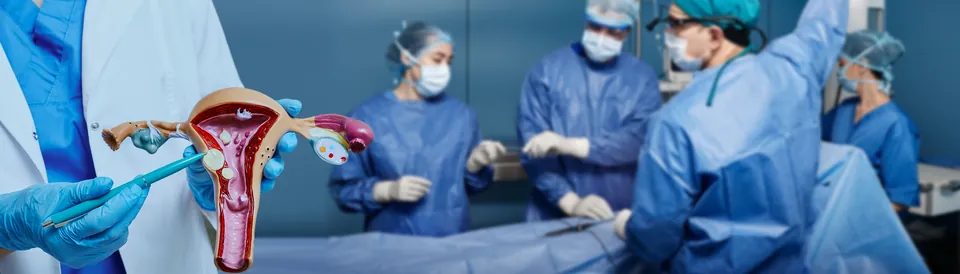
Learn about LEEP and cone biopsy, why they may be offered, recovery, pathology results, follow-up and possible effects on pregnancy and future birth.
LEEP and cone biopsy remove abnormal tissue from your cervix. They provide treatment and allow the removed tissue to be examined in a pathology laboratory. The need depends on biopsy results and your circumstances; not every abnormal result requires a procedure. This information outlines the methods, recovery, risks and relationship with pregnancy; it does not replace individual assessment.
What are LEEP and cone biopsy, and how do they differ?
LEEP (loop electrosurgical excision procedure) removes an abnormal cervical area using a thin wire loop. Cone biopsy removes a cone-shaped piece of cervical tissue and may use a cold knife, without electrical energy. Both are excisional procedures: abnormal tissue is removed and examined, rather than only destroyed.
Research into surgery for cervical precancer has not shown one technique to be clearly superior. There is therefore no general ranking; selection depends on the lesion, imaging findings and the doctor's assessment. Other methods include laser and cryotherapy; the focus here is excisional procedures.
Does cone biopsy mean removal of the uterus?
No. This is a common misunderstanding: cone biopsy does not remove your uterus. Only a small part of the cervix is removed; your uterus remains in place.
When are LEEP and cone biopsy considered?
They are generally considered after colposcopy and biopsy show high-grade cervical cell changes or when biopsy does not adequately explain the diagnosis. Some low-grade findings can be monitored rather than treated immediately. Recommendations therefore depend on biopsy and colposcopy findings, your age, pregnancy wishes and previous results together, not a result label alone.
Reviewing the report with your doctor helps you understand the decision. You have the right to ask about benefits, limitations and follow-up before accepting a procedure.
How should you prepare for the procedure?
Preparation varies between centres and individuals. Your doctor generally asks about medicines, bleeding tendency, possible pregnancy and allergies. Mention pregnancy plans and your period. The doctor determines and separately explains anaesthesia, the setting and instructions about eating, drinking or medicines beforehand.
What happens on the day?
A speculum makes the cervix visible, the area is assessed with a colposcope and abnormal tissue is removed. LEEP uses a wire loop; cold-knife cone biopsy uses a surgical knife. Tissue is sent for pathology, and bleeding points are controlled. Duration and anaesthesia options (local anaesthesia, sedation or general anaesthesia) depend on the method and your circumstances; ask your doctor beforehand. Pain varies between people, and pain management is planned during and after the procedure.
What should you pay attention to during recovery?
Mild cramp-like pain, spotting, or bloodstained or watery discharge may occur in the following days. Bleeding may also recur during healing. These findings are often part of expected recovery, but the amount of bleeding and any accompanying symptoms matter.
Instructions about intercourse, sport, bathing, tampons and returning to work depend on the procedure's extent and your circumstances. Follow the operating doctor's instructions during recovery. Follow-up and review of pathology results are part of recovery.
What are the risks of LEEP and cone biopsy?
LEEP and cone biopsy carry risks, as does any surgical procedure. The main risks are bleeding, infection and narrowing of the cervical canal, called cervical stenosis. Narrowing may affect menstrual flow or subsequent examinations. Frequency varies according to the procedure, the amount of tissue removed and the individual. Discuss your own risks with the doctor beforehand.
How can the procedure affect pregnancy and birth?
Some studies have reported an association between excisional procedures and increased preterm birth risk in later pregnancies. Risk appears to increase with the depth of the cone removed. However, part of the association may relate to the underlying disease or other existing risk factors, and studies differ. Cervical insufficiency may occasionally be a concern.
Most people become pregnant after the procedure. However, the risk of preterm birth may increase, so tell the doctor providing pregnancy care about the procedure. If planning pregnancy, ask your doctor when you can try afterwards.
How are pathology results interpreted and follow-up planned?
The tissue is examined in pathology, and the report usually reaches your doctor in the days after the procedure. It describes the lesion's grade and the tissue edges. Abnormal tissue at an edge (a positive margin) means your doctor plans closer follow-up; not every positive margin requires another procedure. Your doctor assesses the result according to risk.
Current medical guidance uses HPV testing and/or cytology to monitor treatment success, with long-term follow-up after treatment. In Türkiye, practice follows Ministry of Health guidance and the doctor's assessment, with test timing planned by the doctor. LEEP or cone biopsy removes the lesion but does not mean the virus has completely disappeared. Keep your follow-up appointments.
Frequently Asked Questions
How do LEEP and cone biopsy differ?
LEEP removes the abnormal area with a thin wire loop. Cone biopsy removes a cone-shaped piece of cervix and may use a cold knife, without electrical energy. Both remove tissue for pathology. Selection depends on the lesion and the doctor's assessment.
Is my uterus removed during cone biopsy?
No. Only a small part of your cervix is removed; your uterus remains in place.
Does every abnormal biopsy result require LEEP or cone biopsy?
No. Some low-grade findings can be monitored rather than treated immediately. The recommendation considers biopsy and colposcopy findings, age, pregnancy wishes and previous results together.
Can periods change after LEEP?
Whether periods change depends on the extent of the procedure and individual circumstances. Discuss this beforehand. Contact the treating doctor if something differs from what you expected or causes concern.
Does LEEP completely clear HPV?
The procedure removes tissue containing the lesion but does not mean the virus is completely cleared, so follow-up continues. The doctor plans the timing of tests.
What should I discuss before treatment if I am planning pregnancy?
Tell your doctor about pregnancy plans beforehand; method selection and when to try afterwards are discussed accordingly. Tell the clinician providing care in a later pregnancy about the procedure.
Is the procedure painful?
Anaesthesia and pain management are planned beforehand. Discomfort varies between individuals, and mild cramp-like pain may occur afterwards.
What anaesthesia is used during the procedure?
Local anaesthesia, sedation or general anaesthesia may be used depending on the method and your circumstances. Your doctor explains the choice beforehand.
What does a positive margin after cone biopsy mean?
It means abnormal cells are seen at the edge of the removed tissue. This does not always require another procedure; your doctor plans follow-up alongside other findings.
Does an excisional procedure definitely increase preterm birth risk in a later pregnancy?
Research shows an increased risk of preterm birth after excisional procedures, which appears to rise with cone depth. However, part of the association may relate to the underlying disease or other individual risk factors; studies differ.
Can I become pregnant after the procedure?
Yes, most people become pregnant after the procedure. However, preterm birth risk may increase; tell your pregnancy care doctor about the procedure and seek advice about timing if planning pregnancy.
Get Your Free Consultation
Fill out the form below and our team will contact you

