


Understand Pap smear and HPV DNA testing, screening programmes, preparation, abnormal results and follow-up, including symptoms that need medical review.
A Pap smear is a screening test that examines cells from your cervix; an HPV DNA test looks for HPV types that can cause cervical cancer. They measure different things: one shows cell changes, the other the virus. The choice and interval depend on your age, the national screening programme and previous results. An abnormal result does not mean cancer, but it is important to continue the recommended follow-up. This information is general and does not replace an individual assessment.
How do a Pap smear and an HPV DNA test differ?
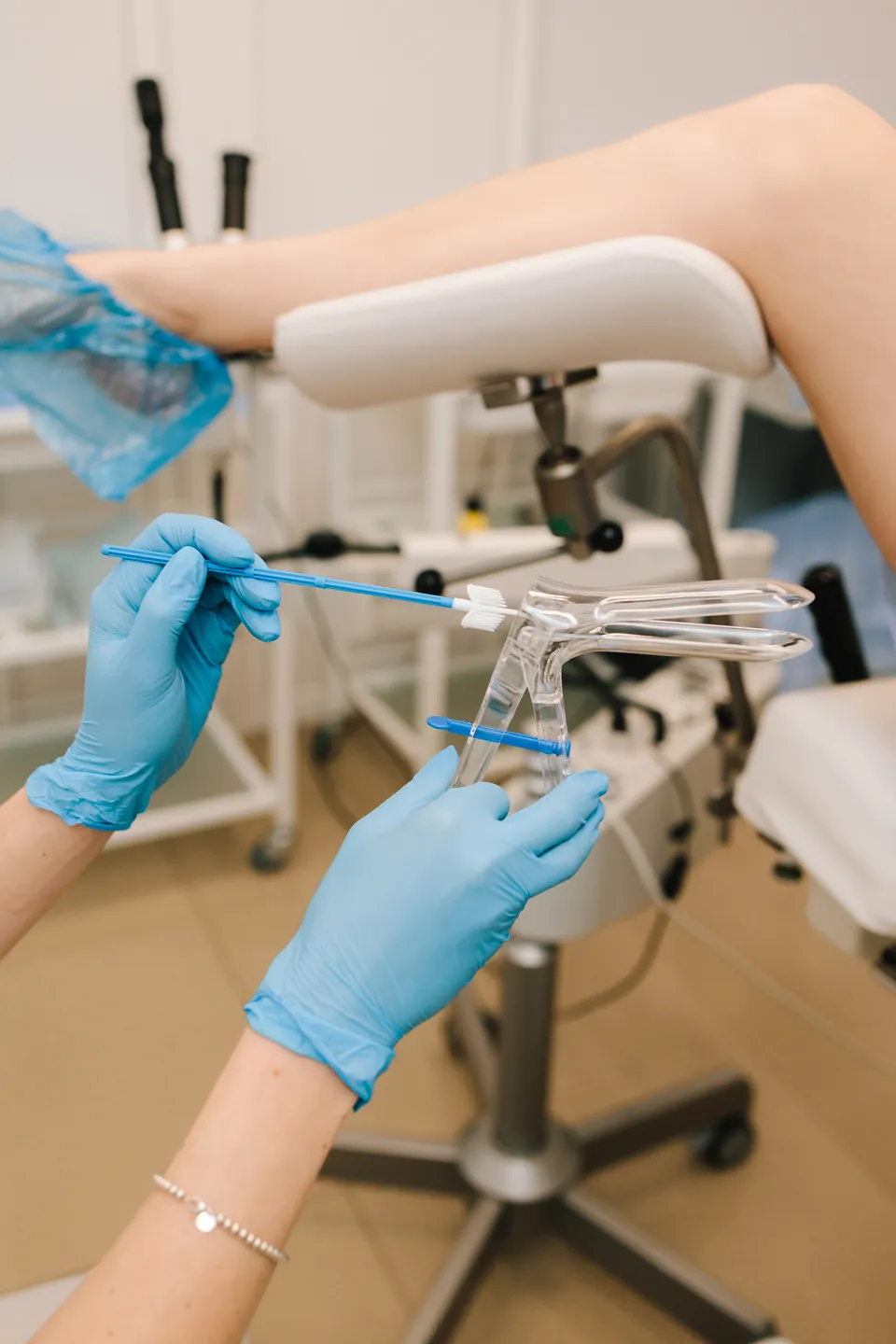
A Pap test takes cells from the cervix using a small brush or spatula for examination under a microscope. It aims to identify potentially precancerous cell changes before symptoms develop. An HPV DNA test looks for genetic material from high-risk HPV types in a sample from the same area; it detects the virus rather than examining cell appearance. A positive HPV result does not mean you have or will develop cancer; it helps determine how and how often follow-up is needed.
One result does not replace the other. Some programmes use HPV DNA testing alone as primary screening, some use Pap testing alone and others use both. Examining the cells, called cytology, after an HPV-positive result can help clarify follow-up decisions. Laboratory methods and arrangements may vary between centres.
At what age and how often is cervical screening performed in Türkiye?
Türkiye's Ministry of Health national programme provides HPV DNA screening for women aged 30-65 every 5 years. Screening is offered through Cancer Early Diagnosis, Screening and Training Centres (KETEM) and primary healthcare services. Programme arrangements may change, so check current local practice with your family doctor or KETEM.
Do screening approaches abroad differ from those in Türkiye?
Yes. Ages and methods differ between national programmes; this is a difference in programmes rather than a contradiction. Some approaches abroad do not screen before age 21 and recommend Pap testing every 3 years at ages 21-29. At ages 30-65, options include a Pap test every 3 years, HPV testing every 5 years or both every 5 years. These recommendations are still being updated; emerging draft guidance is not final and may change. Another approach starts screening at age 25 and prefers clinician-collected primary HPV testing every 5 years. Your doctor determines the appropriate interval according to your age and previous results.
How is the test performed, and how should you prepare?
The test is brief and usually takes place during a gynaecological examination. A speculum is placed in the vagina to view the cervix, and cells are collected. Most people describe brief discomfort or pressure; pain varies between individuals. Tell the clinician if you feel uncomfortable.
Common preparation questions include:
- A time without menstrual bleeding is generally preferred; ask when booking whether testing can be performed during your period.
- Follow your doctor's instructions about vaginal douching, medicines or creams before the test so that the sample is not harder to assess.
- Tell your doctor your last period date, medicines and previous results to help the assessment.
Mild spotting may occur afterwards and is usually brief. Seek medical advice if bleeding increases or pain develops.
What does a normal or HPV-negative result mean?
Normal cytology and/or a negative HPV result means that no notable change was found in that sample. It does not provide lifelong protection; testing needs to be repeated according to the screening programme's intervals.
Do results such as ASC-US, LSIL, HSIL or AGC mean cancer?
No. Cytology may report cell changes; broadly, the categories mean:
- ASC-US: mild cell changes of uncertain significance.
- LSIL: low-grade changes, often related to HPV.
- HSIL: more pronounced, high-grade changes requiring further investigation.
- AGC: changes in the glandular cells of the cervix requiring detailed assessment.
None of these categories establishes a cancer diagnosis by itself. Most abnormal results indicate precancerous or mild changes, but follow-up remains necessary.
What happens after a positive HPV result?
A positive HPV result does not mean immediate treatment is needed. The next step usually depends on cytology, previous results and your circumstances. Options include repeating the test after an interval or referral for further investigation. It is generally not possible to determine when or from whom HPV was acquired, so the result should not be used to blame or judge anyone.
What follow-up options are available after an abnormal result?
Current risk-based management guidance means decisions consider previous results and history as well as the current result. In Türkiye, follow-up follows Ministry of Health guidance and the doctor's assessment. Broad options in a risk-based approach include:
- Repeating the test after an interval
- Referral for colposcopy, a closer examination of the cervix using magnification, with a small tissue sample if needed
- Treatment in a small number of cases where it is considered necessary
These options are separate topics. Your doctor decides which is appropriate; interpreting the report alone may be misleading.
Do Pap smears and HPV DNA tests have limitations?
Yes. No screening test is perfect. A test may miss an existing change (a false negative) or flag a finding that later proves unimportant (a false positive). A poor-quality sample may make assessment difficult. One negative result therefore does not reduce your risk to zero; regular screening and seeking advice without delay if symptoms develop remain important. Screening programmes aim to detect changes without symptoms, rather than investigate individual symptoms.
Frequently Asked Questions
Are a Pap smear and an HPV test the same?
No. A Pap test looks for cell changes, while an HPV DNA test looks for the virus. Some programmes use one and some use both; their results are not interchangeable.
When will the results be available?
Timing varies by laboratory and centre. Ask when and how you will receive the result at the appointment; you have the right to follow it up if it has not arrived.
Can screening be performed during pregnancy or after menopause?
Your doctor decides whether and how to test during these stages. Mention pregnancy or menopause at the appointment.
Is someone who has never had intercourse screened?
There is no absolute rule; the doctor considers age, history and the national programme. Anyone who has reached screening age without a history of intercourse should discuss this with their doctor.
Does Türkiye have a national screening programme?
Yes. The Ministry of Health reports that eligible women are offered screening through KETEM and primary healthcare services. Ask your family doctor or a nearby KETEM about the current scope, including charges, and appointments.
Do vaccinated people still need screening?
Yes. People who have received the HPV vaccine should continue screening; vaccination does not replace it.
Can screening stop at age 65?
Current medical guidance allows screening to stop at 65 if there have been enough normal results. The decision depends on previous results and is made with your doctor.
Does an abnormal result mean I have cancer?
No. ASC-US, LSIL, HSIL or AGC alone does not establish a cancer diagnosis. Most abnormal results indicate precancerous or mild changes; continue the recommended follow-up.
Does a positive HPV result show who transmitted the virus?
No. It is generally not possible to determine when or from whom HPV was acquired; the result should not be used to blame or judge anyone.
Is treatment always needed after an abnormal result?
No. Follow-up may involve a repeat test after an interval or further assessment with colposcopy; treatment is used only in the small number of cases where it is considered necessary.
Does one negative result completely remove my cervical cancer risk?
No. No screening test is perfect, and a single negative result does not reduce risk to zero. Regular screening and seeking advice without delay if symptoms develop remain important.
Get Your Free Consultation
Fill out the form below and our team will contact you

