


What is laparoscopic ovarian cyst surgery (cystectomy), when is it needed, and how is it done? Information on ovarian reserve, risks and recovery.
Laparoscopic ovarian cyst surgery (cystectomy) removes a cyst through small abdominal incisions, preserving ovarian tissue as far as possible. Not every cyst needs surgery; most are simply monitored. If surgery is recommended, the method is tailored to the cyst's characteristics, your symptoms, age and pregnancy plans. This provides a general framework and does not replace your individual assessment.
What is laparoscopic cystectomy?
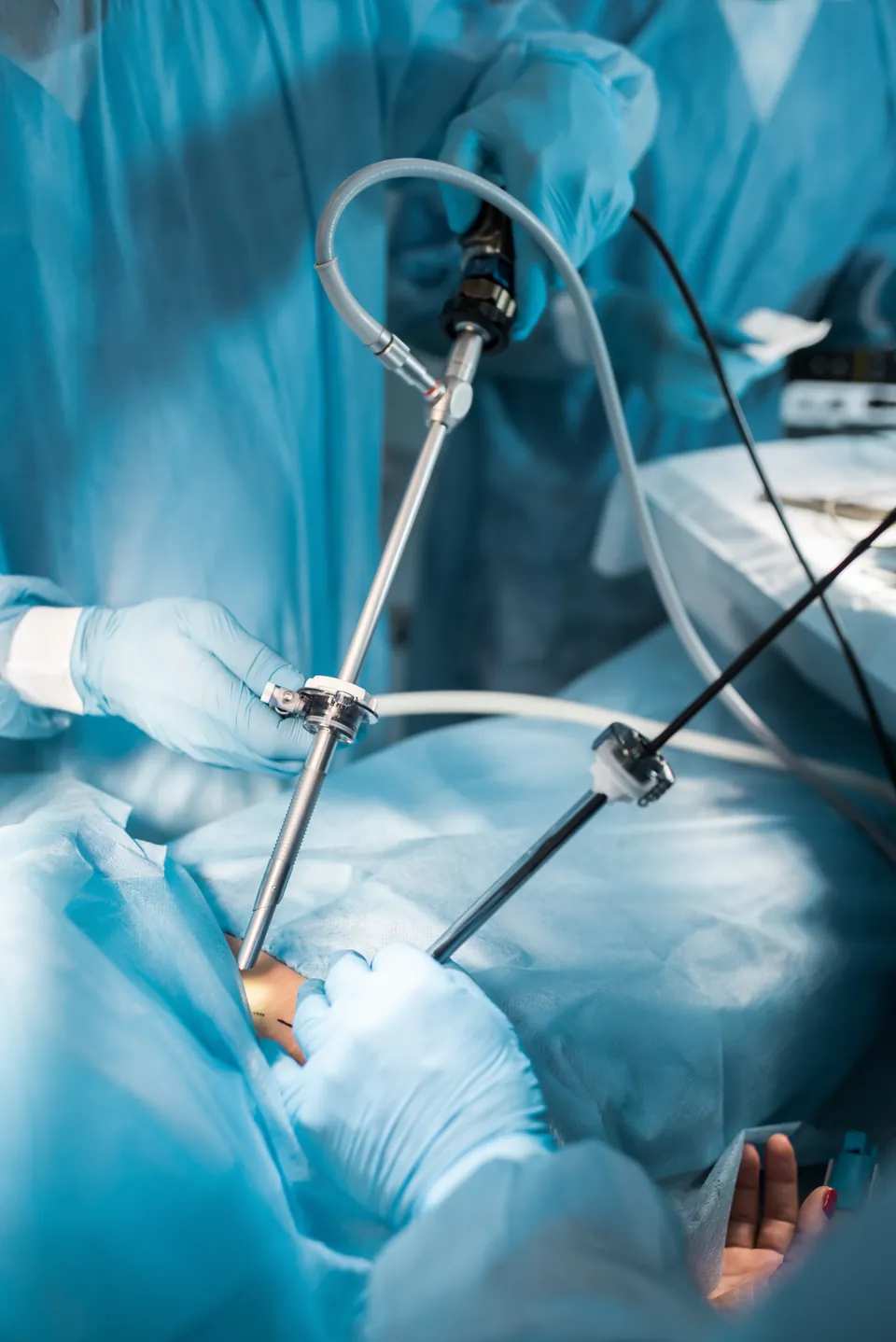
Cystectomy separates and removes the cyst from the ovary, leaving the ovary itself in place. Laparoscopy uses several small abdominal incisions. A camera is inserted through one, with fine surgical instruments through the others. Gas inflates the abdomen so that the cyst and ovary are seen magnified on a screen and the procedure is guided accordingly.
What is the difference between cystectomy and oophorectomy?
Oophorectomy removes the entire ovary. Cystectomy aims to preserve it. However, removal may be necessary depending on the cyst's nature, the condition of ovarian tissue and surgical findings. This possibility is discussed during consent before surgery.
When is surgery considered?
Surgery is considered if the cyst does not regress with monitoring, is growing, is causing symptoms, or its imaging features require further assessment. The decision is made together with the doctor, weighing benefits and risks. When surgery is needed, laparoscopy is preferred if possible; however, it may not be suitable in some cases. For cysts related to endometriosis, the basis for the surgical approach differs and is assessed separately.
What assessments take place before surgery?
The cyst's size, internal structure and relationship to the ovary are assessed by ultrasound beforehand; further imaging is used if needed. Blood tests and anaesthetic assessment also take place. Tell your doctor about regular medicines, allergies and previous abdominal operations. If you plan pregnancy, expectations about ovarian reserve are discussed before surgery. The surgical team gives fasting and medicine-stopping instructions.
How is the operation performed?
The type of anaesthesia is determined by the surgical and anaesthesia team. The number and location of incisions vary according to the individual and the characteristics of the cyst. The cyst is removed through an incision made in the surface of the ovary, separating its wall from the surrounding tissue; bleeding is controlled and the ovarian surface is repaired if needed. The method can change according to findings during the operation, and conversion to open surgery is possible. The operation is performed by Assoc. Prof. Dr. Nurettin Türktekin at Memorial Şişli Hospital.
How is ovarian tissue protected during surgery?
The aim during surgery is to preserve healthy ovarian tissue as much as possible. It is possible for the cyst to rupture during the operation, or for its contents to spill into the abdomen; to limit this, the removed specimen may be placed in a protective bag before being taken out of the abdomen. The removed tissue is sent for pathology, and the definitive diagnosis is made by pathological examination.
How does cystectomy affect ovarian reserve and pregnancy plans?
Cystectomy can affect some healthy ovarian tissue as well as the cyst. Reduced ovarian reserve has been reported after cystectomy; these findings mainly concern endometriomas (chocolate cysts). The extent and clinical significance of this effect in functional and dermoid cysts are less clear. Effects on reserve vary between people; it would be wrong to say generally that surgery increases or decreases pregnancy chances. If you plan pregnancy, discuss this in detail with your doctor beforehand.
What are the risks of laparoscopic cystectomy?
Like any surgical procedure, laparoscopic cystectomy carries risk. The main ones are:
- Risks related to anaesthesia
- Bleeding
- Infection
- Injury to neighbouring structures such as the bowel, bladder, a blood vessel, or the urinary tract
- Formation of adhesions inside the abdomen
- Injury during entry into the abdomen
- Rupture of the cyst during the operation, or spillage of its contents
- Loss of ovarian tissue and reduction in reserve
- Recurrence of the cyst
- Conversion to open surgery
- Formation of a blood clot in the leg veins
- Rarely, an unexpected pathology result
How often these risks occur depends on you, the cyst's characteristics and the surgical technique. It is a good idea to ask your doctor which apply to you before surgery.
What are recovery and follow-up like?
Abdominal bloating, incision pain and shoulder-tip pain may occur afterwards. Light spotting, mild cramps and temporary gas-related shoulder-tip pain are common and considered normal during this time. Hospital stay and when to return to work, daily life, sport and sex depend on the extent of surgery and your circumstances; the operating team gives instructions. Pathology results are reviewed at follow-up, with ultrasound monitoring of the ovary planned if needed.
Frequently Asked Questions
Does every ovarian cyst need surgery?
No. Most are simply monitored; surgery is considered if a cyst does not regress, grows, causes symptoms or has imaging findings needing further assessment.
Is my entire ovary removed during cystectomy?
No, the aim is to preserve it. However, removal may be necessary in some cases depending on the cyst's nature and surgical findings; this possibility is discussed during consent beforehand.
Is laparoscopy always preferred for surgery?
When surgery is needed, laparoscopy is preferred if possible; however, it may be unsuitable in some cases and open surgery may be needed.
What information should I give my doctor before surgery?
Tell your doctor about regular medicines, allergies and previous abdominal operations. If you plan pregnancy, discuss expectations about ovarian reserve beforehand too.
Might my ovary need to be removed during surgery?
Yes, in some cases. This depends on the cyst's nature, the condition of ovarian tissue and surgical findings.
Does cystectomy reduce ovarian reserve?
This varies with cyst type. Reduced reserve has been reported after cystectomy, mainly for endometriomas; the effect for functional or dermoid cysts is less clear. It would be wrong to say generally that surgery increases or decreases pregnancy chances.
Can the operation be converted to open surgery?
Yes. The method may change according to surgical findings, and conversion to open surgery may be necessary.
Is shoulder-tip pain normal after surgery?
Yes. Temporary gas-related shoulder-tip pain, light spotting and mild cramps are common and considered normal during this time.
Can the cyst come back after the operation?
Recurrence is possible and varies according to the type of cyst. Cystectomy removes the existing cyst; it does not prevent the formation of a new one. Another cyst can develop in the ovary in the future; for this reason, post-operative checks and ultrasound monitoring continue according to the doctor's plan.
What happens if the cyst bursts (opens) during surgery?
The contents of the cyst can spill into the abdomen. Because this content can irritate the peritoneum in some types of cyst, limiting the spillage is the aim; the details depend on the type of cyst and the findings during the operation, as determined by the operating doctor. If fever or increasing abdominal pain occurs after the operation, it should be assessed without delay.
Is there a chance the removed cyst turns out to be cancer?
Pre-operative imaging and blood tests give an indication of the cyst's structure, but whether it is benign or malignant may not be stated with certainty. No single test or scoring system can make this distinction with sufficient clarity on its own. The definitive diagnosis is made by examining the removed tissue under pathology. If the result is suspicious, the next steps are planned together with a doctor specialising in cancer surgery.
When can I return to work or daily life after surgery?
This depends on the extent of surgery and your circumstances. The operating team advises on hospital stay and when to return to work, daily life, sport and sex.
Get Your Free Consultation
Fill out the form below and our team will contact you

