


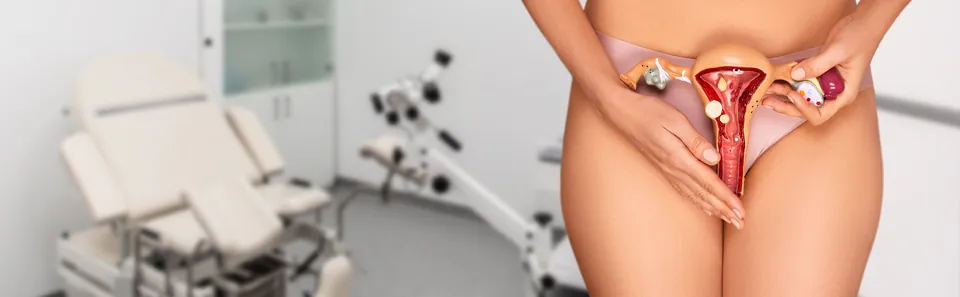
Fibroids and IVF: how does the location of a fibroid affect embryo implantation, when is surgery before IVF discussed, and how limited is the evidence?
When fibroids and IVF are being considered together, what is decisive is where the fibroid lies in the uterus and whether it distorts the uterine cavity. There is no rule that IVF cannot be done if you have a fibroid; nor is surgery regarded as an automatic precondition for every fibroid. The decision is made specifically for you, according to the location of the fibroid, your complaints and your previous treatment results. The information below offers a general framework and does not replace a diagnosis or treatment recommendation specific to you.
How can a fibroid affect the outcome of IVF?
The effect of a fibroid on fertility varies with the layer of the uterus in which it lies. For this reason, saying "there is a fibroid" tells nothing by itself; what matters is how close the fibroid is to the inner surface to which the embryo will attach and whether it changes the shape of the uterine cavity.
Why is a fibroid that distorts the uterine cavity important?
A fibroid that grows towards the uterine cavity or distorts the shape of the cavity is thought to be able to make it harder for the embryo to attach. According to some expert opinions, in a fibroid that distorts the uterine cavity, surgery is one of the options that can be put on the agenda; the emphasis varies from opinion to opinion, and a one-directional rule cannot be set.
Does a fibroid in the wall of the uterus affect the outcome of IVF?
In a fibroid that lies within the muscle of the uterus and does not press on the cavity, the effect is less marked. According to some opinions, the effect of this type of fibroid on fertility is limited. There is also the view that, when pregnancy does not occur in several IVF attempts despite good embryo quality and ovarian response, surgery can be justified for an intramural fibroid. The data that removal increases the outcome of IVF, however, are insufficient and uncertain.
Does a fibroid on the outer surface of the uterus need to be removed?
Some opinions state that a fibroid on the outer surface of the uterus, away from the cavity, does not affect fertility, and that removing it brings no additional benefit. Surgery before IVF is generally not regarded as justified for this type of fibroid; but if you have complaints, a separate assessment is made.
Is the benefit of fibroid surgery known for certain?
In most IVF studies, people with a fibroid that distorts the uterine cavity were excluded from the start. For this reason the information we have rests largely on observational studies, and the results are not consistent with one another. Randomised studies examining the effect of fibroid surgery on fertility are few in number and low in quality. For this reason the same answer does not apply to every fibroid.
When is fibroid surgery considered before IVF?
Surgery is considered mainly in situations where the fibroid distorts the uterine cavity. In addition, the doctor may discuss surgery in situations where the fibroid gives symptoms, for example causing heavy menstrual bleeding or complaints due to pressure, and where IVF attempts have repeatedly been unsuccessful. Some expert opinions differ on this point; for a fibroid that distorts the cavity, on the other hand, surgery is supported more.
Can IVF go ahead without fibroid surgery?
For a fibroid that gives no symptoms and does not distort the cavity, it has not been shown that surgery before IVF improves the outcome. In this case, monitoring the fibroid and going on with IVF treatment is an approach you can discuss with your doctor. A small fibroid with no symptoms is not regarded as grounds for surgery merely because it exists.
Why does the waiting time matter when the decision for surgery is made?
Every operation carries its own risks; these risks vary with the type of operation, and your doctor explains them to you specifically. Another point that matters for IVF is time: an unnecessary operation brings both its risks and waiting for recovery. Because time can become important as age advances, the expected benefit of the operation and the waiting time are weighed together.
When do you move on to IVF after the operation?
After fibroid surgery, the tissue of the uterus needs to heal; this period varies with the type of operation and the depth of the fibroid. The time to move on to IVF or embryo transfer is determined by your doctor, who assesses that healing is complete. Mild cramp and light spotting after the operation are among the expected symptoms.
Can the embryos be frozen and the transfer done later?
If time is needed for the management of the fibroid, freezing the embryos that form and leaving the transfer for later is one of the options you can discuss with your doctor. Whether this approach suits you is assessed according to your ovarian response and the state of the fibroid.
With which documents should you apply to the doctor?
Taking the reports of any ultrasound, MRI or hysteroscopy done before, any information about fibroid surgery you have had, and a summary of your previous IVF attempts makes the assessment easier. The list of medicines you use and the operations you have had are also information your doctor will use in building the plan.
Frequently Asked Questions
Why is the position of the fibroid clarified with MRI or ultrasound done with saline?
Ultrasound shows the presence of the fibroid, but how close the fibroid comes to the uterine cavity is not always clear. If the position is uncertain, additional investigations such as MRI, ultrasound done with saline or hysteroscopy may be requested. This information is the basis for determining whether surgery will be considered.
If I have more than one fibroid, can IVF not be done?
For fibroids that do not distort the uterine cavity, the data that number or size alone reduce the likelihood of pregnancy are limited. What matters more is the fibroids' effect on the uterine cavity and their position. Whether IVF can be done is assessed by your doctor together with the imaging findings.
If I remove the fibroid, will IVF not be needed?
Removing a fibroid does not guarantee pregnancy. Other factors that determine the need for IVF, such as the state of your tubes, the sperm values, ovulation and age, are assessed separately; the fibroid may be only one of them.
Can I have IVF if I have a fibroid?
Yes. The presence of a fibroid alone is not an obstacle to IVF. The position of the fibroid, its effect on the uterine cavity, your complaints and your previous results are assessed together.
Does every fibroid need to be removed before IVF?
No. Surgery is not a precondition for every fibroid. Whether it distorts the uterine cavity in particular is an important part of the decision.
Can a fibroid that gives no symptoms and does not distort the uterine cavity be monitored?
Yes. Removing such a fibroid has not been shown to improve the outcome of IVF. Going on with treatment with monitoring is an option you can discuss with your doctor.
Is surgery needed for a fibroid on the outer surface of the uterus too?
Generally it is not regarded as grounds for surgery for the purpose of IVF alone. Some opinions state that removing this type of fibroid brings no additional benefit to fertility; if you have complaints, it is assessed separately.
Does removing a fibroid in the wall of the uterus increase the outcome of IVF?
The data on this are insufficient and uncertain. For an intramural fibroid that does not press on the uterine cavity, the decision is made specifically for you, also taking your previous attempts into account.
Is the transfer done straight after fibroid surgery?
The tissue of the uterus needs to heal. Because the waiting time varies with the type of operation and the depth of the fibroid, your doctor determines the time of the transfer.
Can the embryos be frozen while treatment for the fibroid continues?
Yes. Freezing the embryos that form and postponing the transfer may be an option. Its suitability is assessed according to your ovarian response and the state of the fibroid.
Should I take my previous reports to the first consultation?
Yes. Taking your ultrasound reports and, if you have them, MRI and hysteroscopy reports, your operation information, your summaries of previous IVF and your list of medicines makes the assessment easier.
Get Your Free Consultation
Fill out the form below and our team will contact you

