


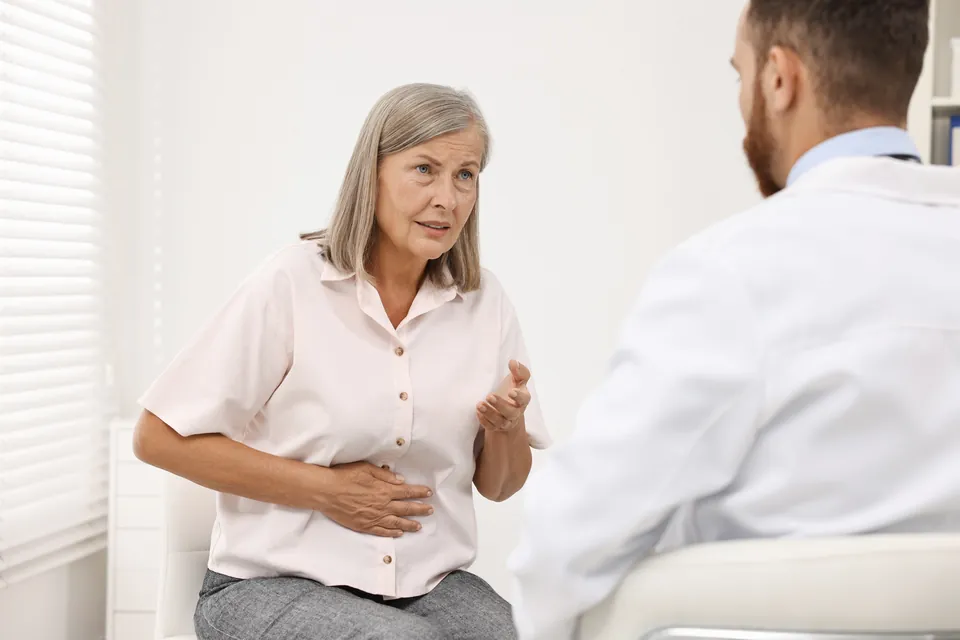
Learn about vaginal dryness and genitourinary syndrome of menopause, symptoms, assessment, moisturisers, vaginal oestrogen and other care options.
Vaginal dryness is common, particularly after menopause, and is often endured in silence. It should not be seen as an inevitable part of ageing: it can be assessed, and symptoms can be eased in many cases. Dryness may occur with other symptoms. When accompanied by burning, pain during sex and urinary symptoms, the condition is called genitourinary syndrome of menopause (GSM). The information below offers a general overview and does not replace an individual diagnosis or treatment advice.
What is genitourinary syndrome of menopause?
GSM is a collection of symptoms and signs affecting the vulva, vagina, urethra and bladder due to oestrogen deficiency associated with menopause. Vaginal dryness, painful sex and urinary incontinence are also commonly listed among menopausal symptoms, and discussing them with a healthcare professional is recommended.
What vulvovaginal symptoms occur with GSM?
- Vaginal dryness and reduced moisture
- Burning, stinging or itching
- Pain during sex, light bleeding or spotting after sex
- Thinning of the tissue, with fragility of the vaginal wall and possible small tears
What urinary symptoms occur with GSM?
- Urgency and frequent urination
- Burning when passing urine
- Recurrent urinary symptoms
- Urinary incontinence in some people
Not everyone has every symptom, and severity varies between individuals.
What causes genitourinary syndrome of menopause?
The most common cause is the fall in oestrogen levels with menopause. Oestrogen supports the thickness, moisture and elasticity of vaginal and urinary tract tissues. When it falls, tissues become thinner, lubrication decreases and irritation occurs more easily.
Does vaginal dryness occur only during menopause?
No. Low oestrogen is not limited to menopause. Breastfeeding, some cancer treatments, surgical removal of the ovaries and certain medicines may cause a similar picture, including at a younger age. Systemic hormone treatment is a separate topic to discuss with your doctor.
What is asked during assessment, and how is the examination performed?
The doctor asks about the onset of symptoms, their effect on sex, urinary symptoms, medicines and previous treatments. A gynaecological examination assesses the appearance of vulval and vaginal tissue. Extensive investigations are not needed for diagnosis in most cases.
Could burning and itching have another cause, and what should you do about bleeding?
Yes. Infection and vulval skin conditions can also cause burning and itching. Discharge, an unpleasant smell or skin changes may require further investigation to distinguish these causes. Bleeding needs investigation; do not assume it is due to dryness and wait.
How is treatment selected for you?
The choice depends on symptom severity, the person's preferences, the balance of treatment benefits and safety, and accompanying conditions. The doctor and patient decide together which option is suitable.
How do lubricants and moisturisers differ?
Non-hormonal products may be recommended as the first step for mild symptoms. Lubricants provide immediate lubrication during sex. Vaginal moisturisers are used at regular intervals and aim to support tissue moisture. They serve different purposes and do not replace each other.
What is vaginal oestrogen, and when is it recommended?
If symptoms are not sufficiently relieved, your doctor may recommend local vaginal oestrogen as a cream, tablet or ring. Low-dose local treatment results in little absorption into the body. No clear difference in effectiveness between forms has been shown, but the evidence is not yet strong. Your doctor determines the product, duration and monitoring.
Is vaginal oestrogen the same as systemic hormone treatment?
No. Vaginal oestrogen is different from systemic hormone treatment affecting the whole body. A local hormone precursor and an oral tissue-selective medicine are also prescription options. Availability and suitability depend on country and individual circumstances; your doctor decides on use. Systemic hormone treatment is a separate topic to discuss with your doctor.
Can laser and energy-based methods be used?
There are not enough placebo-controlled studies on the effectiveness and safety of laser and energy-based methods. A general recommendation for these methods therefore cannot be made. If such a procedure is being considered, it is appropriate to discuss the evidence with the doctor.
How is treatment planned with a history of breast cancer?
Current medical guidance suggests trying non-hormonal options first in people with a history of oestrogen-sensitive breast cancer. If these do not help, low-dose vaginal oestrogen may be considered with the oncologist following an informed decision. Data on this are limited. The decision is made with the doctors providing treatment.
What are the side effects and safety considerations of vaginal oestrogen?
Common side effects of vaginal oestrogen include local irritation, discharge and light spotting. Studies on endometrial safety with long-term use are limited, so regular follow-up and reporting unexpected bleeding are important. In situations such as a history of breast or endometrial (womb lining) cancer or unexplained vaginal bleeding, oestrogen use is considered only by a doctor's decision.
How can dryness affect your sex life?
Withdrawing from sexual intimacy because of dryness and pain during sex is an understandable response. Advice about sex is individual and is appropriately discussed with a doctor.
Frequently Asked Questions
Could pain during sex and light bleeding be due to GSM?
Thinner tissue and reduced lubrication may cause pain during sex and light bleeding or spotting afterwards. However, the doctor should investigate the cause of bleeding rather than attributing it to dryness.
Does dryness go away on its own?
Its course varies between individuals, and symptoms may persist. Suitable approaches can ease symptoms; discuss the options with your doctor.
How long does treatment last?
The type and duration depend on symptom severity, the person's preferences and accompanying conditions. Duration and follow-up are planned with the doctor.
I have frequent urinary tract infections. Could they be related to GSM?
The fall in oestrogen during menopause may affect vaginal flora and urinary tract tissues, increasing susceptibility to infection. With recurrent symptoms, infection first needs confirmation through urinalysis and culture. The doctor may consider local oestrogen in this context.
Does vaginal dryness affect only women after menopause?
No. Similar symptoms can occur during breastfeeding, after some cancer treatments or removal of the ovaries, and with some medicines. They may therefore occur at a younger age.
Does using vaginal oestrogen mean receiving systemic hormone treatment?
No. Vaginal oestrogen is different from treatment affecting the whole body. Low-dose local treatment results in little absorption; suitability is decided with your doctor.
Can I use vaginal oestrogen after breast cancer?
This is an individual decision, not one to make alone. With a history of oestrogen-sensitive breast cancer, non-hormonal options are tried first. If these fail, low-dose vaginal oestrogen may be considered after an informed decision with your oncologist.
Does using a lubricant replace a moisturiser?
No. Lubricants provide immediate lubrication during intercourse; vaginal moisturisers are used regularly to support tissue moisture. They serve different purposes.
Is laser treatment more effective than vaginal oestrogen?
This cannot be said. There are insufficient placebo-controlled studies on effectiveness and safety of laser and energy-based methods, so no general recommendation can be made. Discuss the evidence with your doctor if considering one.
Should I choose a cream, tablet or ring?
No clear difference in effectiveness has been shown, but the evidence is not yet strong. Choose the product, duration and monitoring with your doctor.
Can I start vaginal oestrogen myself with unexplained vaginal bleeding?
No. Oestrogen for unexplained bleeding is considered only by a doctor; the cause must be investigated first. Report unexpected bleeding during treatment too.
Get Your Free Consultation
Fill out the form below and our team will contact you

