


What is gestational diabetes and how is it managed after diagnosis? Diet, blood sugar monitoring, medicine, birth, follow-up and questions for your doctor.
Gestational diabetes is a state of high blood sugar that appears for the first time during pregnancy. In most people it ends in a healthy pregnancy and a healthy baby; the aim of monitoring and management is to keep blood sugar under control and so reduce possible problems for the mother and baby. The diagnosis is usually made with screening and confirmation tests in the second half of pregnancy. The basis of management is a diet plan, physical activity and blood sugar monitoring; if these are not enough, the doctor adds drug treatment.
Why does gestational diabetes occur?
Gestational diabetes develops when your body cannot produce enough of the hormone that balances blood sugar to meet the increased demands of pregnancy. It usually appears in the middle and second half of pregnancy. Developing diabetes is not a reason for guilt.
Who is more likely to get it?
A high body mass index, having previously given birth to a large baby, having had gestational diabetes in an earlier pregnancy and having diabetes in a close relative are counted among the risk factors. Some of these factors are outside your control. Having a risk factor does not mean diabetes will develop; your doctor assesses the factors one by one.
How does it differ from diabetes before pregnancy?
The situation of people who already had diabetes before pregnancy is different; a separate assessment and monitoring plan is made for them. High blood sugar found for the first time in pregnancy is called gestational diabetes.
What can gestational diabetes mean for you and your baby?
Gestational diabetes can raise the likelihood of some problems. For the baby, these include being born large, the shoulder getting stuck during birth (shoulder dystocia), the need for newborn care after birth and, rarely, stillbirth; in these babies the likelihood of obesity and type 2 diabetes later in life may also be higher. For you, the likelihood of labour being induced or of a caesarean birth, and of developing type 2 diabetes later in life, may be higher.
These are likelihoods, and in most people the pregnancy goes on healthily. Good control of blood sugar reduces these risks; this is why monitoring is done.
How is your diet and activity plan put together?
A healthy diet plan and regular physical activity are the main treatment of gestational diabetes. Walking, swimming and pregnancy yoga can be given as examples; you are asked to consult your midwife or doctor before starting a new activity. Lifestyle change is the core of management and in many people can be enough on its own; it is recommended that your diet plan is made specific to you, together with a dietitian. According to current research, a lifestyle change that includes at least healthy eating, physical activity and blood sugar monitoring is the only approach that shows possible benefit for the mother and baby; the same research reports that the likelihood of labour being induced may also increase with this approach. Rather than building your diet plan on your own by restricting foods, you should put it together with the team who are following you.
How are your blood sugar measurements monitored?
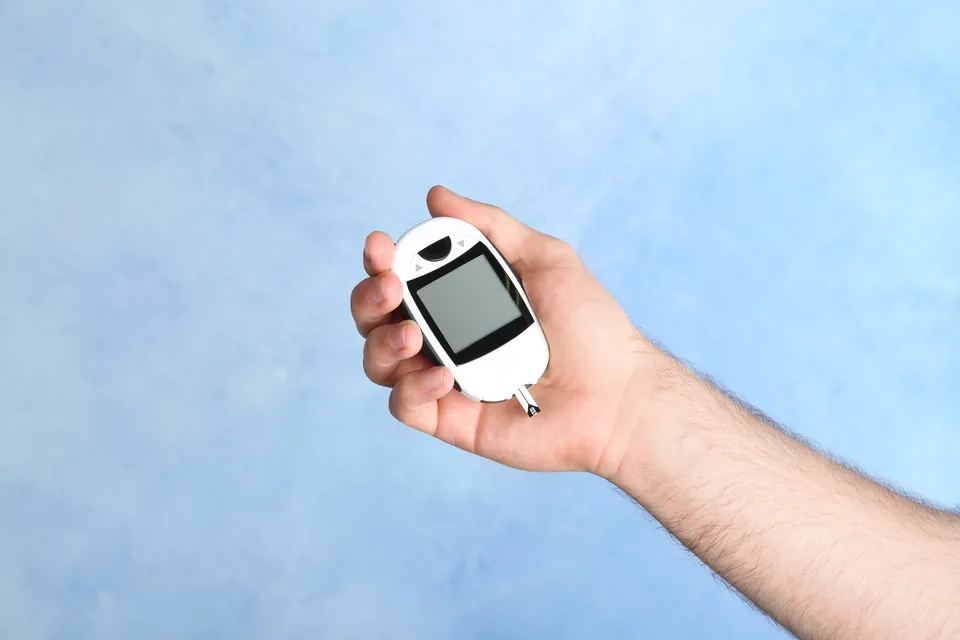
You are taught how to measure blood sugar and given monitoring targets; fasting and after-meal measurements are recommended. The target values are set by the health team who are following you. Taking your measurement results to check-ups allows the treatment plan to be adjusted according to the results. Your sugar may be high even if you have no complaints; for this reason it is important that the measurements are made and reported to the team.
When would drug treatment be considered?
If diet and activity are not enough, or if on ultrasound the baby looks larger than expected, drug treatment is added; if your blood sugar is very high at the time of diagnosis, treatment can be started straight away. Your doctor chooses the medicine that suits you. If you are on drug treatment, talk beforehand with your doctor about what to do if your blood sugar drops very low. Do not start or stop the medicine on your own.
How are your care team and extra ultrasounds planned?
In gestational diabetes, a team made up of a diabetes specialist, an obstetrician, a midwife or nurse and a dietitian takes on your care. Check-ups may be planned more often, and an extra ultrasound may be done to monitor the baby's growth. The extent of this monitoring varies from person to person.
How is birth planned in gestational diabetes?
In gestational diabetes it is recommended that birth takes place in a hospital with obstetric and newborn services. Options such as waiting for labour to start by itself, inducing labour or a planned caesarean are discussed with your doctor; the timing of birth is determined according to your blood sugar control. Your blood sugar is monitored during birth. What the timing and mode will be depends on the condition of your baby and you.
What happens after birth?
Diabetes medicines started because of pregnancy are usually stopped after birth; your sugar is measured again before you are discharged. After that your follow-up for diabetes continues, and healthy lifestyle recommendations remain valid. A sugar test after birth is recommended; because the timing of the test and the interval for repeating it can vary, the doctor following you will tell you this.
How can you support yourself?
- Take your measurement results and diet notes to every check-up.
- Keep to the diet and activity recommendations as the team has set them.
- Share your worries and questions with the team; you are encouraged to reach your team when you are anxious.
- If you are thinking of a new activity, consult your midwife or doctor first.
What questions can you ask your doctor?
- Ask what your blood sugar targets are and how often you should take measurements.
- Find out who will prepare the diet plan and whether there is a chance to see a dietitian.
- Ask in what situation drug treatment would be considered and how to act if your blood sugar drops very low.
- Find out how extra ultrasounds or the frequency of check-ups will be planned.
- Talk about how the birth plan will be made and which tests will be needed after birth.
Frequently Asked Questions
Does gestational diabetes come back in the next pregnancy?
Gestational diabetes can appear again in later pregnancies. Reaching a healthy weight before pregnancy, eating a balanced diet and being active regularly may reduce this likelihood. If you are planning a new pregnancy, tell your doctor about your earlier diagnosis and your monitoring beforehand.
Can I breastfeed if I have gestational diabetes?
Yes. Breastfeeding is safe and is recommended even if you have a history of gestational diabetes. If you need recommendations specific to you on diet and medicine while breastfeeding, consult the doctor who is following you.
Can my baby's sugar be low after birth?
The babies of people with gestational diabetes have a higher risk of low blood sugar after birth. For this reason the baby's blood sugar is monitored and frequent feeding is recommended. You can ask the team before the birth how monitoring will be done for your baby.
Why is a repeat test needed after birth even if my sugar returns to normal?
After gestational diabetes the likelihood of developing type 2 diabetes later in life is higher; for this reason follow-up is recommended. If you notice increased thirst, passing urine often or a dry mouth, it is recommended that you go to a health facility without waiting for the next planned test.
Does having a risk factor mean I will definitely develop diabetes?
No. These factors relate to likelihood, and some are not under your control. Your doctor assesses them one by one.
If I have no complaints, is my blood sugar normal?
Blood sugar can be high even without complaints. It is important that you take the measurements and report the results to your team.
Can I prepare my diet plan on my own by restricting foods?
You should put your diet plan together with the team who are following you. It is recommended that the plan is specific to you and made together with a dietitian.
Can diet and activity be enough for many people?
Yes. Lifestyle change can be enough on its own in many people. If diet and activity are not enough, or if on ultrasound the baby looks larger than expected, medicine is added; if your blood sugar is very high at the time of diagnosis, treatment can be started straight away.
Can I start or stop drug treatment myself?
No. Do not start or stop the medicine on your own. If you are on medicine, talk beforehand with your doctor about what to do if your sugar drops very low.
Does gestational diabetes always mean a caesarean?
Options such as waiting for labour to start by itself, inducing labour or a planned caesarean are discussed with your doctor. Timing and mode depend on the condition of you and your baby.
Does follow-up end completely after birth?
No. After birth, a sugar test and follow-up for diabetes are recommended. Your doctor will tell you the timing of the test and the interval for repeating it.
Get Your Free Consultation
Fill out the form below and our team will contact you

