


What is laparoscopic oophorectomy, and when is it needed? The ovary-preservation principle, surgical menopause, pregnancy, risks and recovery.
Laparoscopic oophorectomy is the removal of one or both ovaries through small incisions in the abdominal wall. Because the ovaries produce both egg cells and hormones such as oestrogen, their removal can affect fertility and hormonal balance; for this reason, preserving the ovary is the basic principle in benign conditions, and oophorectomy is recommended only in selected situations. The information below provides a general framework and does not replace an individual assessment.
What is oophorectomy?
Oophorectomy is the removal of the ovary. In unilateral oophorectomy, one ovary is removed; in bilateral oophorectomy, both are removed. If the fallopian tube is also removed, the procedure is called salpingo-oophorectomy. Cystectomy, in which the ovary is left in place and only the cyst is removed, is a different operation.
In which situations is removal of the ovary considered?
In some situations, removal of the ovary may be necessary; these can include an ovary damaged beyond repair after torsion, a mass that cannot be separated by removing the cyst or that looks suspicious, advanced endometriosis, severe infection (abscess) affecting the ovary and tube, and certain inherited risk conditions. What is done in a given situation varies according to the individual; the decision is made together with the doctor, weighing benefits and risks.
When can the ovary be preserved?
In most cysts, only the cyst is removed and the ovary is left in place. When an ovary has undergone torsion, even if it looks dark in colour, untwisting it and preserving the ovary may be preferred where possible. Whether the ovaries are removed when the uterus is removed is also not automatic; the risk of ovarian cancer, the need for a further operation, and the effects of surgical menopause on cardiovascular and bone health are weighed together. Removing the fallopian tubes in the context of a hysterectomy or tubal sterilisation performed for a benign reason in a person at average risk can reduce the risk of ovarian cancer but does not eliminate it; this does not apply to high-risk situations such as BRCA.
What happens with inherited risks such as BRCA?
In some people carrying an inherited gene change such as BRCA, removal of the ovaries and tubes can be considered with the aim of reducing the risk of ovarian and tubal cancer. This decision requires genetic counselling and medical assessment; the timing of the operation varies according to the individual, and there is no general rule that can replace personal advice.
How is laparoscopic oophorectomy performed?
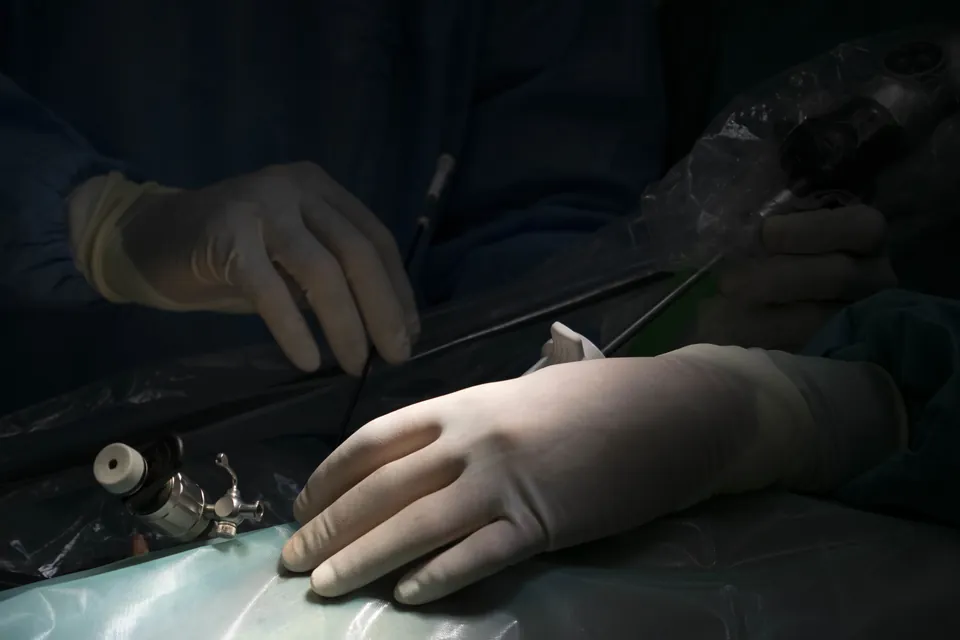
The operation is performed under general anaesthesia. Several small incisions are made in the abdominal wall, the abdominal cavity is expanded with gas, and the ovary is separated from surrounding tissue and removed with the help of a camera and fine instruments. The removed tissue is usually placed in a protective bag before being taken out of the abdomen and is sent for pathological examination. Instructions on preparation, fasting and stopping medicines are given by the surgical team; the method of entry and its details are the surgeon's decision. The operation is performed by Assoc. Prof. Dr. Nurettin Türktekin at Memorial Şişli Hospital.
How are hormones, menopause and pregnancy affected after oophorectomy?
In unilateral oophorectomy, the remaining ovary can continue to function; periods and natural pregnancy can usually continue, although the effect varies from person to person and the chance of pregnancy can vary between individuals. In bilateral oophorectomy, hormone production by the ovaries ends; natural pregnancy is not expected. In a person who has not yet reached menopause, this leads to surgical menopause: hot flushes, sleep problems, vaginal dryness, mood changes, and long-term effects on bone and cardiovascular health can occur. The severity of symptoms varies from person to person. Hormone therapy can be considered in surgical menopause; the decision is made with the doctor according to the individual. In people with pregnancy plans, fertility preservation options should be discussed before the operation.
What are the risks and possible complications of surgery?
Like any surgical procedure, laparoscopic oophorectomy carries risk. The main risks are:
- Risks related to anaesthesia
- Bleeding
- Infection
- Injury to the bowel, bladder or a blood vessel during entry into the abdomen (most often occurring at the initial entry stage, and sometimes not noticed during the operation, only becoming apparent afterwards through symptoms)
- Injury to neighbouring organs (urinary tract, bowel)
- Formation of a blood clot in the leg veins
- Laparoscopy not being completed, requiring conversion to open surgery
- Surgical menopause, if both ovaries are removed
Serious complications are rare, but the risk is not zero.
What can you expect during recovery?
Abdominal bloating, incision pain and nausea may occur afterwards. Light spotting, mild cramps and temporary gas-related shoulder-tip pain are considered normal during this time. The same symptoms occur after emergency surgery for torsion or an abscess. Hospital stay and when to return to work, daily life, sport and sex depend on the extent of surgery and your circumstances; the operating team gives instructions.
Frequently Asked Questions
What is the difference between oophorectomy and cystectomy?
Oophorectomy removes the ovary itself. Cystectomy leaves the ovary in place and removes only the cyst; it is a different operation.
What is salpingo-oophorectomy?
Removing the fallopian tube together with the ovary is called salpingo-oophorectomy.
Is the ovary always removed for a benign cyst?
No. For most cysts, the ovary is left in place and only the cyst is removed.
Is a twisted ovary (torsion) always removed?
No. Even if it looks dark, untwisting and preserving it may be preferred if possible. Removal is considered only if damage after torsion is too severe for it to be saved.
Are ovaries automatically removed during hysterectomy?
No. Removing the ovaries with the uterus is not automatic; ovarian cancer risk, the need for further surgery and the cardiovascular and bone effects of surgical menopause are assessed together.
Does removing the fallopian tubes completely eliminate ovarian cancer risk?
No. For people at average risk, removing the tubes during hysterectomy for benign disease or tubal sterilisation may reduce ovarian cancer risk but does not eliminate it; this does not apply to high-risk situations such as BRCA.
Do periods and pregnancy chances continue after removal of one ovary?
Usually, yes. The remaining ovary may continue functioning; periods and natural pregnancy usually continue, but this effect and pregnancy chances vary between people.
Is natural pregnancy possible after removal of both ovaries?
No. Removing both ovaries ends their hormone production and natural pregnancy is no longer expected.
What are the symptoms of surgical menopause?
In people who have not reached menopause, removing both ovaries causes surgical menopause: hot flushes, sleep problems, vaginal dryness, mood changes and long-term bone and cardiovascular effects may occur. Symptom severity varies between people.
What can be done before the operation to preserve fertility?
If both ovaries are expected to be removed and there is a wish for pregnancy, fertility preservation options such as egg or embryo freezing can be discussed with a reproductive medicine specialist before the operation. Suitability varies according to the type of condition and the urgency of the operation; in emergency operations there may not be time.
What happens if a suspicious finding is found in the removed ovary?
The definitive diagnosis is made by pathological examination, and the result is assessed at the follow-up appointment. If the result is unexpectedly suspicious, the next steps are planned, if needed, together with a doctor specialising in cancer surgery. It is important to attend the follow-up appointment to learn the result from your doctor.
Is hormone therapy suitable for everyone after oophorectomy?
No. Suitability varies according to age, the reason for the operation, and personal and family medical history; hormone therapy may not be recommended in some disease histories. The decision is made with the doctor, discussing the benefits and risks; you should not start hormone therapy or supplements on your own.
Is the possibility of the ovary being removed discussed before the operation?
If removal of the ovary seems likely, this should be discussed at the consent consultation. It is helpful to tell the doctor what you would or would not want done in an unexpected situation, before the operation.
Get Your Free Consultation
Fill out the form below and our team will contact you

