


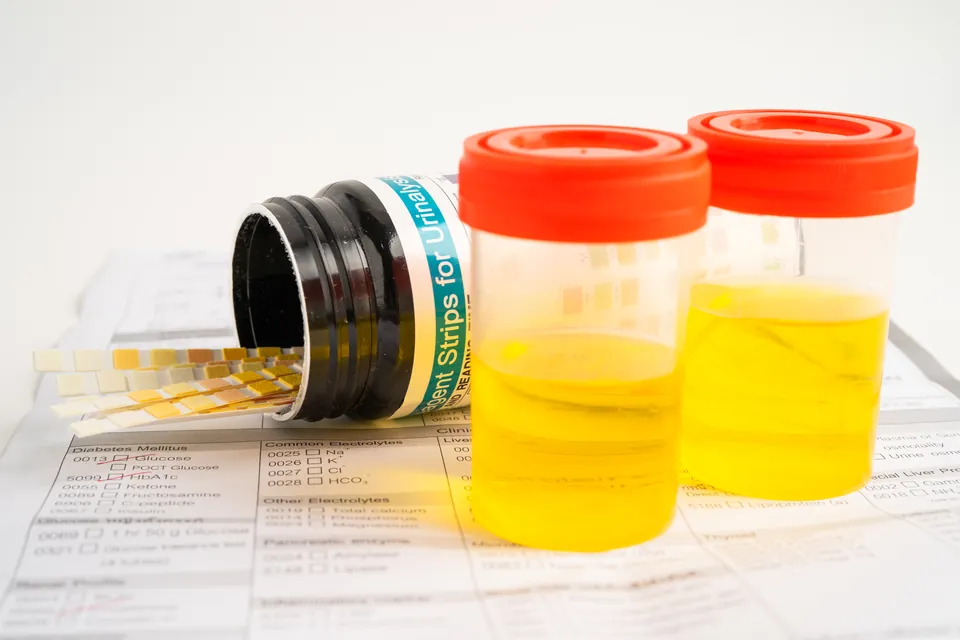
Learn about recurrent urinary tract infections, why they return, urine cultures, prevention options and when to see a doctor about your symptoms.
Recurrent urinary tract infection means having several urinary tract infections, usually bladder infections (cystitis), within a short time. It is common in women and causes symptoms with each episode, so it is natural to ask why it keeps happening. Recurrent infections often do not indicate a serious structural problem, and a link to poor hygiene has not been proven. Diagnosis relies on urine culture. Prevention involves behavioural measures, some supportive products and a medical plan when needed. The information below offers a general overview and does not replace an individual diagnosis or treatment advice.
What is recurrent urinary tract infection?
According to current medical guidance, several successive episodes of infection within a specified period count as recurrent infection. What matters is documenting each infection as a separate episode and, where possible, with a urine culture.
Can sexual activity cause recurrent infection?
Sexual activity is associated with episodes in some people. However, a single clear cause is not found in most people, and this is not a matter of blame.
How does menopause affect the risk of recurrent infection?
Falling oestrogen levels after menopause affect vaginal flora and urinary tract tissue, which may increase susceptibility to infection. Vaginal dryness and urinary symptoms at menopause are assessed separately.
Can emptying problems, stones, prolapse or diabetes increase risk?
Yes. Incomplete bladder emptying (residual urine), urinary stones, pelvic organ prolapse, diabetes and conditions suppressing immunity may increase recurrence. Prolapse and emptying difficulties may contribute and require separate assessment, which your doctor considers when managing recurrent infection.
Which symptoms suggest infection?
- Burning or stinging when passing urine
- Frequent, urgent urination with small amounts of urine
- Lower abdominal pressure or pain
- Cloudy or unpleasant-smelling urine, sometimes with blood
These symptoms are not specific to bladder infection. Vaginal infections, menopausal tissue changes and other bladder problems may cause similar symptoms. Testing before reaching your own conclusion is therefore important.
Which investigations are used for diagnosis?
Diagnosis relies on urine culture. A culture identifies the bacterium responsible and the antibiotics to which it is sensitive. In recurrent infection, not having had a culture once symptoms have subsided may make treatment choice harder in later episodes. Providing a sample during episodes is therefore important.
When are imaging or cystoscopy considered?
Extensive routine investigation, such as detailed ultrasound or cystoscopy, is generally unnecessary in young women without risk factors or other findings. However, blood in the urine, severe episodes of infection, pain, suspected stones, emptying problems or failure to respond to treatment may prompt ultrasound, urinary tract imaging or cystoscopy. Other diagnoses, such as bladder pain syndrome, are considered if symptoms persist despite a negative culture. The doctor decides which investigations are needed.
Which behavioural measures may help prevention?
Increased fluid intake may be recommended for premenopausal women. Other behavioural measures are discussed with a doctor and tailored to the individual. Their effects vary, and they do not guarantee prevention on their own.
Can cranberry, D-mannose and probiotics help prevention?
The evidence suggests cranberry products can reduce the risk of symptomatic urinary tract infection, though the certainty of this evidence is only moderate. Doses and product characteristics varied between studies. Cranberry is not a treatment for infection. Current medical guidance treats cranberry, D-mannose and probiotics as weak recommendations, since the evidence behind them is limited. These products should be considered in discussion with a doctor.
What is methenamine hippurate, and who may be offered it?
This is a medicine a doctor may consider as a non-antibiotic option in people without a structural urinary tract problem. The decision to use it and its duration are individual.
Can vaginal oestrogen help prevention after menopause?
Yes. Current medical guidance strongly recommends vaginal oestrogen to prevent recurrence after menopause. It is known to reduce infection episodes, with mild local side effects such as irritation, discharge and spotting; some evidence is old and should be interpreted alongside current sources. Use with a history of breast or endometrial cancer, or unexplained bleeding, is considered only by a doctor.
When is low-dose antibiotic prophylaxis considered?
Antibiotic prophylaxis is an option considered after counselling and non-antibiotic measures have been tried. It may be used continuously or after sex. Unnecessary or prolonged antibiotic use carries a risk of resistance and side effects, so the decision belongs to the doctor. Do not start or stop antibiotics on your own.
Why is the treatment plan individual?
The bacterium causing infection and antibiotic resistance vary between people and over time. Previous culture results, accompanying conditions, menopausal status, pregnancy or plans for pregnancy, and drug allergies affect treatment choice. A medicine or measure used by someone else may therefore not suit everyone. The doctor determines treatment for acute episodes and the choice of antibiotic according to culture results.
Frequently Asked Questions
Is it caused by poor hygiene?
No. Poor hygiene has not been proven to cause recurrent infection. There is no reason for blame. Risk factors differ between individuals and are reviewed with a doctor.
How many infections make it recurrent?
The definition depends on the number of infections within a specified period, and the doctor assesses the threshold. What matters is documenting each episode with a urine culture where possible.
Is a culture needed after an episode has passed?
The doctor decides whether a follow-up culture is needed after symptoms have subsided. During a new episode, it is important to provide a sample for culture before treatment starts.
What should I do about urinary symptoms during pregnancy?
Do not start medicines or products on your own.
Does every recurrent infection require ultrasound or cystoscopy?
No. Extensive routine testing is generally unnecessary in a young woman without risk factors or other findings. Blood in urine, severe infection, pain, suspected stones, emptying problems or lack of treatment response may prompt investigation.
Will cranberry prevent infection from ever recurring?
No. Cranberry is not a treatment. Moderate-quality evidence suggests it can reduce symptomatic infection risk, but it offers no guarantee.
Will D-mannose or probiotics remove the need for antibiotics?
No. Evidence for these products is weak. Your doctor determines treatment of an acute episode and antibiotic selection from culture results.
Can everyone use methenamine hippurate?
No. It is an option your doctor may consider if you have no structural urinary tract problem; the decision and duration are individual.
Is vaginal oestrogen suitable for everyone after menopause?
No. With previous breast or endometrial cancer or unexplained bleeding, it is considered only by a doctor.
Can I start or stop antibiotic prophylaxis myself?
No. This decision belongs to your doctor; do not start or stop antibiotics yourself.
Get Your Free Consultation
Fill out the form below and our team will contact you

